Assisted Living Mexico, Ecuador Senior Care, Eldercare Abroad, Ex-pats in Mexico, Health & Wellness Mexico, International Retirement, Nursing Homes Mexico, Senior Care Abroad

Finding Eldercare/Senior Care Abroad – Assisted Living, Nursing Care, Memory Care

We live in an aging universe, a universe where older adults live longer than ever before and the need for care is growing.

For centuries we have protected and provided for loved ones from cradle to grave. These acts of reverence, respect, and love still exist and are seen in traditions around the world.

But modern life has shifted from relative stability to burden for many – out-of-the-blue expensive healthcare conditions, a growing number of older adults with chronic diseases/co-morbidities requiring long-term care, fewer folks to work as caregivers, multiple stressors for families overwhelmed with work and caregiving, financial loss, climate change, pandemics, war, forced migration.

Sadly, the reality of aging in the U.S. if you are not independently wealthy requires extra effort, planning, and sacrifice. No matter how much exercise, living with a positive attitude, and attention to healthful lifestyles, you may find yourself with difficult choices due to an unanticipated surprise – do you adjust where you are or imagine alternatives? Staying home is understandably preferable.

Older adults around the globe prefer to Age in Place and make their end-of-life transitions in a community they know and love. Quality of life that is comfortable and familiar is the main objective. This is generally translated to, NOT in a foreign country or anywhere else.

If you have exhausted all avenues of community support at home or in adjacent counties, states, or provinces, and realize care may not be affordable or you may outlive your funds, what are your choices? What if you are a solo ager with no family, spouse, or fallback? What if you must continue to work to support a family and are uncomfortable with the idea of sending mom or dad away for care?

Choosing to move could be a disheartening task. It is a leap into the unknown, no matter how adventurous one is.

One option is to seek care in another country.

There are seven continents on our planet. All but one (Antarctica) provide a form of care for older adults. From Albania to Samoa, unless loved ones are cared for by family, there are in-home support services or residences offering various forms of independent living, assisted living, memory care, nursing care, and/or end-of-life support.

According to Grand View Research, “the global long-term care market size was valued at USD 1.11 trillion in 2023 and is expected to grow at a compound annual growth rate (CAGR) of 6.68% from 2024 to 2030.”

The area with the largest anticipated growth is memory care. Alzheimer’s Disease International reports there are more than 44 million Alzheimer’s patients globally. The number is expected to triple to 135 million by 2050. “If ‘dementia’ was a country it would be the world’s 17th largest economy.” Costs for memory care are exorbitant, especially if the anticipated lifetime of care is 12 years or more.

How do you choose where to go?

Somewhere around 2003 it became evident to me as a person dedicated to older adult healthcare that the future for American boomers, Gen-Xers, Millenials, and their parents would be affected by the rising cost of aging care. With the benefit of a lifetime of travel, foreign study, and work on five continents, it became apparent Americans might begin to seek care in another state or abroad if they could not afford the cost of care at home.

In the last 15 years I have witnessed and assisted more and more Americans, as well as Canadians and some Europeans take a leap of faith and choose south of the U.S. border for retirement and care for reasons of proximity (not for Europeans), weather, cost, and a reputation for thoughtful providers.

According to Lottie, a UK research organization and placement advisor, the best countries for senior care named in order are Norway, Sweden, Switzerland, Germany, Canada, and the U.S. You would need to have residency, be a national, or have funds to pay for care. Factors included in the study were pensions, healthcare systems, care services (assisted living, nursing), social support, and government grants.

The best countries for senior care by continent named by Lottie are:

Africa – South Africa

Asia – Taiwan

Europe – France

Oceania – Australia

North and Central America – Mexico

South America – Ecuador

The Lottie report did not include parameters for the above assessment. France as the best in Europe contradicts the previous Lottie report that Norway leads in senior care.

The below review is based on my research and experience.

What countries do Americans and other nationalities consider for retirement and senior care if looking internationally?

Americans and Canadians favor the Caribbean or Mexico by virtue of proximity, and often for weather. Other places in Latin America are considered, mainly Costa Rica, Ecuador, and Panama. In the last 15 years, the Philippines and Thailand have also been chosen based on cost, weather, and a reputation for attentive care. Malaysia, a new face of senior care in Asia since legislation in 2018, attracts some Americans but mostly Australians, Brits, and folks from other Asian nations. Ireland is sometimes considered when qualifying for Irish citizenship or residency. If you are an EU citizen, you have certain residency rights in Ireland.
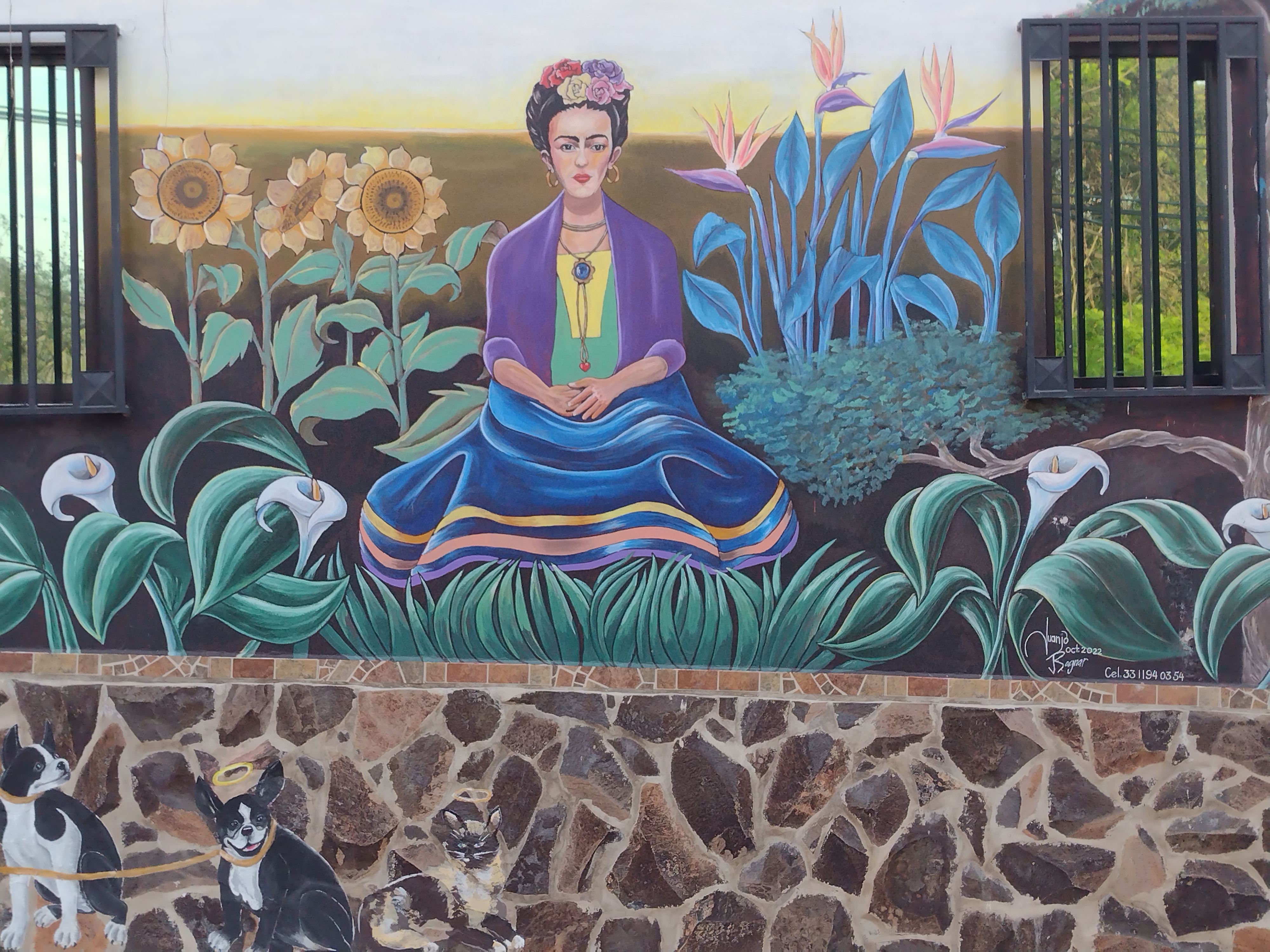
Frida mural in expat enclave Ajijic, Jalisco, Mexico

If you have the blessing of universal healthcare (Americans do not) and are a national in Norway or Sweden, you are cared for from birth to burial no matter the level of care you require. Norway, as mentioned above, is considered the best country for older adults by virtue of its healthcare system and life expectancy. I can attest to Sweden based on attending graduate school in Stockholm and experiencing the healthcare system.

If you live in the UK, Portugal or Greece look like warmer options by virtue of proximity and favorable tax breaks, but the situation may be more of a challenge post-Brexit depending on your financial status and language considerations. Many American older adults are finding their way to Portugal, and to Greece if they have Greek heritage. Brits as we know have considered India for retirement and medical care (shades of the film about middle class retirees in The Best Exotic Marigold Hotel), or a British base in the Caribbean.

Since the end of the 19th Century Italians (and some French) looking for affordable options have been traveling to Tunisia, not so far from home. Historically, Tunisia was a Roman imperial colony. Vibrant Italian colonies are found in Tunis, Bizerte, and Sfax. On a recent trip to Italy, I learned some Italians are now traveling to Croatia for lower costs, which is interesting as several “badante” or caregivers in Italy are from Croatia. Here is the post about aging in Italy a favored country for retirement, healthcare, and senior care by Americans of Italian descent and others:

In the Arab world, Kuwait, Oman, and Zanzibar (on the Trucial Coast of Africa but formerly the Sultanate of Oman and an important Arab trading center), countries I know, taking care of your elders is a religious and traditional obligation. Home health caregivers and nurses are de rigueur. There are now palliative care and hospice services.

What countries have dignified elder care at a price point less than that of the U.S.?

As of 2024 more affordable price points may be found in Costa Rica, Cuba (not an option for U.S. citizens), some Caribbean nations, Ecuador, India, Mexico, Panama, the Philippines, and Thailand. Note: prices for care are rising worldwide.

In every country of the world there is quality, supportive elder care and there is sub-standard, disengaged “care”.

Quick overview of points to ponder:

Determine country. Easiest to do when you have travelled to far flung places before. Be advised that dream vacations are not the same as living long periods of time in a new place. A preliminary, exploratory trip is always recommended. In expat destinations there are often introductory seminars for how to navigate the place you have chosen. If your heritage is Irish, Italian, Polish, or other, and you qualify for residency and a second passport, countries of heritage may be in mind.

Healthcare beyond in-home care and assisted living. Access to physicians, hospitals. Learn how the healthcare system works in the country that beckons you. Medical care may cost less and yet be of similar quality or better. Vet your medical team as you would in your own country. What is the role of the assisted living residence if any? Is the residence hands on or does it expect family members to participate in your hospital and rehab care from a distance? If you are a solo ager, consider locating a healthcare coordinator/advocate to keep an eye on your care. Review factors that affect health – weather, elevation, pollution, availability of fresh water and food. Will you be in a flat place safe from falls? What is the standard of care?

Residency requirements. Every country provides information on how to qualify for and achieve residency. Will you be able to live there in the future on your income as prices rise? Embassy and consulate websites plus expat forums on-line provide guidance for navigating residency. Expect a lot of effort on your part. If you do not speak the language, consider hiring a facilitator.

Consider the distance and cost of travel, keeping in mind cost to return home should life change. The longer the distance the harder it is to travel with elder loved ones. Will family be able to visit? On a recent Viva Aerobus flight between Los Angeles and Guadalajara a precious senior in obvious pain was traveling with her mindful son. The flight was three hours. The son held her close. She never complained but you could feel it was not easy.

Corporate or Home-Like Environments. What would be the most compatible environment and style for you or your loved one? What is the owner/administrator’s philosophy of care? Do they have a mission to care for elders? Is income the only objective? Will the residence remain in existence for the life of the resident? Search the Internet and AI. You will read about places, mostly those that are corporate, and not necessarily discover smaller places with no budget for outreach. Consider smaller places, some are gems.
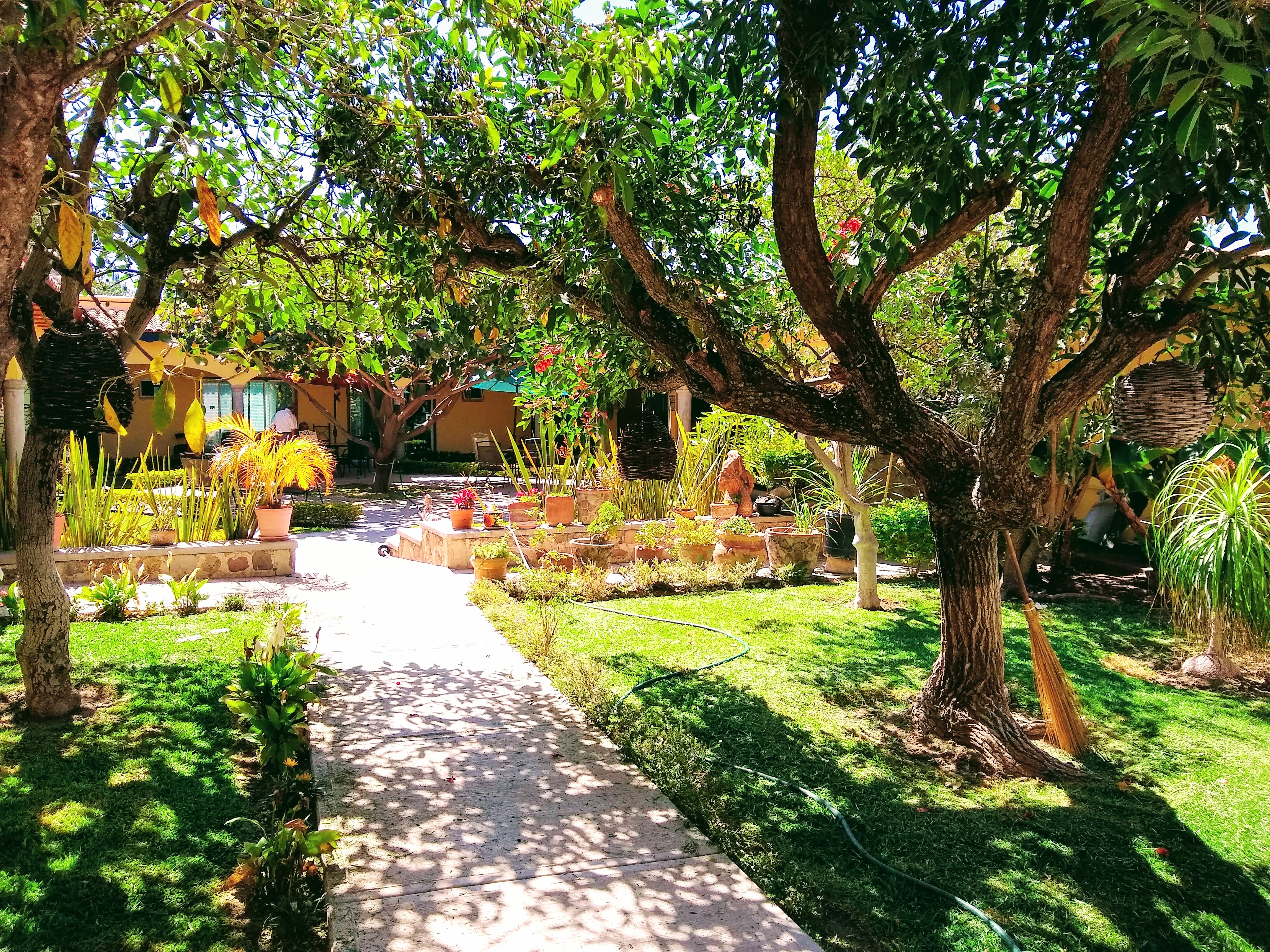
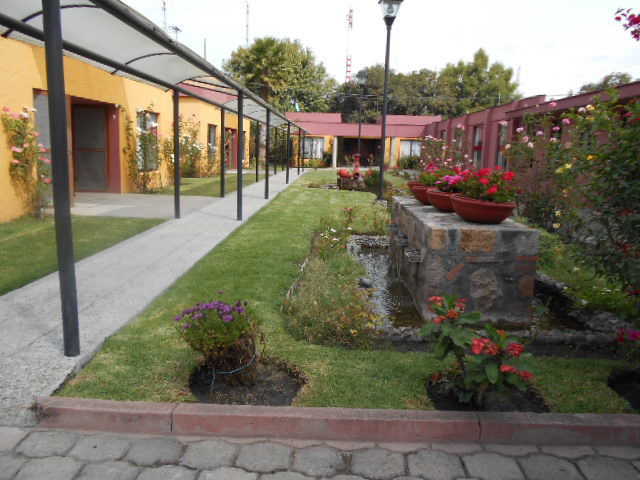
Garden at small assisted living home in Mexico

Consider family moves. I have had the privilege of assisting families who moved with their loved ones. The sons and daughters work digitally and visit mom or dad. For those who are unable to move with loved ones, most homes provide Face Time, Google Meets, or Zoom visits.

Safety and happiness. Is the residence secure? How will the residence assist with the transition? Any move is stressful, especially for older adults. It takes three to six months to adapt to a new environment. Not everyone transitions well, some not at all. In my experience, a well-traveled person who has an affinity for adventure or a certain culture, has as easier time. If the loved one has dementia, places in nature with gardens, room to walk, the energy of light, and a high level of activity and engagement encourage positive outcomes. What will the level of socialization be? Are there other expats who would be compatible company? Some expat havens and faith communities have volunteers, usually retirees, who visit homes and keep track of brethren. Is the food fresh, does the home offer diets suitable for diabetes or other illnesses? What are the standards of care? How is staff trained, how many staff per resident?

Quality of life and engagement lead to comfort, better health, and general contentedness.

Local culture. How are older adults viewed by the society and government? Is English a second language and is there experienced, trained staff who speak some English? Will you or your loved one be comfortable living among locals or being examined by a doctor who may not speak English? What is the country like compared to what is familiar to you? What might be missing? Some countries group residents who only have physical disabilities with those who have dementia.

Palliative care and hospice. Will the residence and local doctors accept and respect your wishes? What are local procedures/traditions for treating pain? How is end of life treated? Is there 24/7 attention and vigiling? If you feel close to death, will you be able to return to your home country to die if that is your wish?

Expat forums. There are innumerable expat forums on the Internet, some offer basic guidance about what to expect in the country of choice. Be advised, however, that even with good intentions, information may contain other cultural biases and not necessarily be in alignment with your personal needs, perceptions, and standards.

Summary:

If aging and healthcare options at home become limited, or you realize you may outlive your funds, one option is to look abroad.

Seeking eldercare beyond your own borders is a daunting task and may feel painful.  If you have had the privilege of international travel, languages, and on-the-ground experiences that provide you with a level of psychological as well as financial safety and comfort, you may do well. There are also many who have chosen care abroad, never travelled far before, who end up feeling pampered and content. Choosing care near an expat retirement community may bring peace of mind and could provide back-up support and socialization.

Exploring and planning ahead make a difference in your outcomes.

Mission based care (not meant to be interpreted as religious) in smaller residences is often appealing, especially when administrators and staff demonstrate compassionate care daily. Large corporate facilities often require an extra layer of vigilance on the part of families in all countries, so providing an advocate/weekly visitor is helpful if affordable.

There is no perfect place, but there is excellent care to be found in every country.

Research well, make lists, assess your needs, and locate a place that aligns with your preferences.

Abundant blessings for whatever journey you or your loved ones choose.

© Wendy Jane Carrel, 2024

Wendy Jane Carrel, MA, is an older adult health care advocate, advisor, and consultant from California. She has conducted due diligence for senior living and retirement on five continents and is passionate about supporting families and their elders with solutions. She provides informed, attentive, compassionate guidance and curated options for Ecuador, Mexico, and other destinations both domestic and abroad. She is a speaker and published author on subjects related to older adult well-being. Wendy’s web site is https://www.WellnessShepherd.com 

Resources:

Long-Term Care Market Size, Share & Growth Report, 2030 (grandviewresearch.com)

https://www.alzint.org/about/dementia-facts-figures

https://lottie.org/care-guides/which-country-has-the-best-elderly-care/

Best Countries for Seniors & End-of-Life Care

https://www.youtube.com/watch?v=l4vUGKcASUU  PBS program How Long-Term Care is Burdening Middle Class Americans

https://myhometouch.com/articles/caring-for-an-elderly-parent-from-abroad – wise advice for sons and daughters of parents who live abroad

https://ceoworld.biz/2024/04/08/worlds-best-and-worst-countries-for-older-people-to-live-in-2024/

Assisted Living Mexico, Costs of Care Mexico, Nursing Homes Mexico, Senior Care Mexico

Assisted Living with Nurse Nuns in Mexico

If you are a resident of Mexico or an about-to-be resident, is Assisted Living with nurse nuns an option to consider if you might need care?

The short answer, for some folks, may be yes.

How many residences in Mexico are Catholic non-profits and where are they located?

According to a 2018 report, INEGI (the National Institute of Statistics and Geography), there are under 900 assisted living communities in Mexico, 85% of which are in the private sector. The remaining 15% are Catholic non-profit residences, other non-profits, or DIF (Desarrollo Integral de la Familia, loosely translated as Integrated Development of the Family) government homes.

Residences are in every state and most large cities. For example, in Guadalajara, Mexico’s second largest city, there are approximately 35 assisted living homes. Of those 35, six are run by five different orders of nurse nuns, one order has two homes.

What may you expect under the care of nurse nuns?

The answer depends on the order of nuns, their mission, the location in Mexico, the resources of the home, how the home is supported by the Archdiocese, volunteer staff, the community, and more.

Historically nuns (and originally monks) were caregivers, nurses, purveyors of healing remedies as herbalists, and suppliers of prayers and psychological support for the ill. They met folks at homes, hospitals, and on the grounds of their wealthy benefactors first in Europe, then the Middle East (aiding crusaders), and later in Latin America beginning around 1540.

Some homes have inviting colonial entrances. Others are newer homes.

Asilo Brunet Celerain, Merida, Mexico

Ancianitas de Santa Clara de Asis, A.C was opened by Franciscan nuns in January of 2018 at San Pedro Tesistan, Jocotopec, Jalisco, Mexico. The order of St. Francis of Assisi first came to Mexico in 1955. They have a hospital in Guadalajara. Several expat volunteers at Lake Chapala invest time and love energy to support the home.

Homes tend to be clean and organized with immaculate kitchens, dining rooms, and laundry rooms. “Cleanliness is close to Godliness” seems to be a motto most nun administrators, usually known as “Madre Superiora”, and the Sisters “Hermanas” live by.

Asilo de los Desamparados, A.C. linen room, Guadalajara, Mexico

Women’s dining room Residencia San Jose, Zoquipan, Guadaljara, Mexico
Men’s dining room Residencia San Jose, Zoquipan, Guadalajara, Mexico
Women’s dining room Asilo Brunet Celerain, Merida, Mexico

Food will invariably be Mexican, unlike continental cuisine found at some private pay homes with foreign residents.

Most homes are for women only, some are for men and women.

Residencia San Jose exercise class for men and women, Guadalajara, Mexico

Environment is important. Properties with trees, gardens, places to stroll or sit in the sun or shade are common. Places for meditation and prayer are common, including of course a campus chapel.

Casa Hogar San Vicente inner garden, Lagos de Moreno, Jalisco, Mexico

Casa Hogar Tepayac inner garden, Leon, Guanajuato, Mexico

Casa Hogar Tepeyac inner garden, Leon, Guanajuato, Mexico

Gardens at Residencia San Jose, Zoquipan, Guadalajara, Mexico

The language will usually be Spanish. Some nuns speak English. Nuns in Mexico are from Mexico but also from Africa, Europe, parts of Asia, and other countries in Latin America.

Quality of care. Mexicans in general are known for compassionate care, nurse nuns as well. Nuns have centuries of lived experience and tradition in the art of care. They are educated to serve vulnerable populations, especially older adults. They make sacrifices and overcome many challenges to help all. They show up daily and with attention. Since they have no children, patients are often offered their mothering ministrations. They pray for your healing even when not in front of you. If you believe in the power of prayer, their prayers may be welcome.

Nurse nuns have often worked in Catholic hospitals before working in assisted living and have backgrounds in acute/critical/emergency care.

Sister Augustina from Venezuela, 80+ years old, now retired, on nursing corridor at Residencia San Jose, Zoquipan, Guadaljara, Mexico

Nuns tend to follow early morning rising rituals and do not stay up all night unless tending to residents. This day schedule, as opposed to the Mexican culture stay-up- all-night way of life, may be compatible with the routines of some foreigners.

Is it possible for an expat to live at a senior home run by nurse nuns?

If the person meets the admission requirements, yes. Americans, Brits, and Canadians have been or continue to be residents in assisted living run by Mexican nuns.

Residents of Asilo Brunet Celerain, Merida, Mexico. The sweet lady in the middle is British.

Precious residents of Asilo para Ancianas at the central plaza of Guadalupe, Zacatecas, Mexico. One of the residents is an American who shared she enjoys being under the care of the nuns.

For those who do not have enough funds for private pay, being cared for by nurse nuns at their “casas de reposos” (rest homes), is an option. Many Catholic orders are ecumenical, and open to non-Catholics and “all God’s children.” Pay is based on what each person can afford. The system tends to be democratic. Those with more funds are essentially supporting life for others. Those with more funds may often have their own private room. Those with fewer funds sleep and store belongings in a dormitory-like environment. In Mexican culture, being close to others and not being alone is preferred. Privacy is a Canadian, Western European, and U.S. concept.

Asilo de Desamparados, A.C., a women only home, sleeping quarters, Guadalajara, Mexico

Casa Hogar Tepeyac bedroom for ladies, Leon, Guanajuato, Mexico

Casa Hogar San Vicente private room, Lagos de Moreno, Jalisco, Mexico. The home is supported by the community and a group of well-to-do volunteers.

The Missionaries of Charity (Mother Teresa) offer a small, immaculate, serene place in Tijuana, Baja Norte, Mexico. Some nuns are from India. On a visit the women residents were sewing. From the outside walls and entrance you would not know the nuns and their residents were there. Photos were not allowed, perhaps for security reasons.

What about the costs for assisted living and nursing? What do Mexicans pay, what do expats pay?

There is a sliding scale with nurse nuns and other non-profits. The prices in private pay are the same for everyone.

Most Mexicans cannot afford private pay. In this case families become caregivers, or their elders live with nuns or in other non-profit care homes.

Foreigners in Mexico (generally retirees) often have enough funds for private pay care which costs between $1500 and $3500 USD/month or more depending on the location and the amount of care needed, not including diapers, meds, or outside physicians. The costs with nuns would be lower depending on needs, around $800-$1000 USD (not always). Again, your payment to the residence is a donation that helps the entire community.

Note: care costs in all homes are currently climbing due to inflation in Mexico. The Canadian and U.S. dollar have decreased in value to the Mexican peso.

Will there continue to be homes administered by nurse nuns (and the Catholic Church) in Mexico in the foreseeable future?

Probably. Even though Catholic hospitals and assisted living homes are slowly being purchased and phased out by healthcare conglomerates in the U.S., it seems unlikely there will be a similar scenario in Mexico any time soon.

A 2015 report via ENPECYT (Survey of Public Perception of Science and Technology), an arm of INEGI, estimates 5% of 350,000 licensed nurses in Mexico are monjas (nuns), that would make the number about 17,500. Licensed nurses receive four years of training or more, including nurse nuns who study at their own schools and major universities. The nursing school curriculum includes practical, on-site education at hospitals, homes for older adults, and places where the population is poor and vulnerable. Many nuns have M.A. degrees in bioethics, nutrition, palliative care, and other disciplines. Even though Mexico is a country where few folks consider themselves practicing Catholics, the country is culturally Catholic, and traditions tend to be observed.

Summary:

Nurse nuns are dedicated and trained for the care of older adults as geriatric nurses. Other than contemplative orders, they also work in hospitals or as teachers.

Nuns have cared for vulnerable folks for centuries – the abandoned, the ill, travelers, wealthy patrons – in short, diverse populations.

If you love Mexican culture, are not particular about food, are comfortable with simplicity, and welcome the support of prayers and a unique kind of care, assisted living and nursing care with nuns may be an option. If you are not Catholic and do not speak a lot of Spanish, you may or may not feel comfortable.

© Wendy Jane Carrel, 2023

Wendy Jane Carrel, MA, is a Spanish-speaking senior care advocate from California. She has travelled 13 states of Mexico for more than 20 years researching health systems, senior care, and end-of-life care. She provides care solutions and guides transitions in/to Mexico for Americans, Canadians, and Europeans, and is a published author on subjects related to senior well-being. Wendy was a palliative care volunteer with a physician nun and nurse nuns of Santissima Trinidad in Jalisco, Mexico for three years and came to know Augustine, Carmelite, Dominican, Franciscan, Josefina, Sacred Heart nurses and the Little Sisters of the Abandoned Elderly, Missionaries of Charity (Mother Teresa), and the Sisters of Mary. See more at https://www.WellnessShepherd.com

Resources:

https://en.wikipedia.org/wiki/History_of_nursing

https://en.wikipedia.org/wiki/Category:Catholic_nursing_orders

https://en.wikipedia.org/wiki/History_of_the_Catholic_Church_in_Mexico

https://en.wikipedia.org/wiki/Catholic_sisters_and_nuns_in_the_United_States

https://www.gob.mx/profeco/documentos/asilos-una-alternativa-para-el-cuidado-y-atencion-de-los-adultos-mayores

https://desdelafe.mx/noticias/iglesia-en-el-mundo/conoce-a-las-santas-enfermeras-mexicanas/

https://www.eleconomista.com.mx/capitalhumano/Solo-el-11-por-ciento-del-personal-de-enfermeria-en-Mexico-tiene-una-especialidad-20180827-0102.html

https://en.www.inegi.org.mx/

https://en.www.inegi.org.mx/programas/enpecyt/2017/

https://www.ncregister.com/news/religious-sisters-offer-more-compassionate-care-to-the-elderly

http://residenciadeancianosygeriatricos.com/mexico/casa-hogar-para-ancianos-san-vicente-residencia-de-ancianos-lagos-de-moreno-jalisco-mexico/

http://www.scielo.org.co/scielo.php?script=sci_arttext&pid=S0121-08072016000400015

https://directorioempresarialmexico.com/empresa/0001642855/INSTITUTO-DE-BIENESTAR-MAURO-LOPEZ/ short list of Catholic assisted living homes in Mexico

Taking Care: The Story of Nursing and Its Power to Change Our World by Sarah de Gregorio (Harper, 2023)

Advance Health Care Planning Mexico, End-of-Life Planning Mexico, Ex-pats in Mexico, Health & Wellness Mexico, Retirement in Mexico, Senior Care Advocates Mexico

Why Creating an Advance Health Care Directive in Mexico (and Latin America) Makes Sense If You Are an Expat

If you live in Mexico or Latin America, have you created a plan for what to do in case of an accident, natural disaster, or healthcare emergency? 

Who is going to show up for you?! What if you are no longer able to speak and make decisions for yourself?

If you wish to save your family, other loved ones, and neighbors considerable grief and time, it is important to understand what is involved when a foreigner becomes ill or dies in Mexico or other Latin American nation.

Last month I had the pleasure of joining patient advocate and educator colleague Deborah Bickel of Be Well San Miguel to share with expats in San Miguel de Allende why it is wise to create a Mexican documentacion jurada (living will) or voluntad anticipada (advance healthcare directive). My role in the meeting was to give an overview of palliative care and hospice.

Deborah Bickel of Be Well San Miguel, Wendy Jane Carrel of Wellness Shepherd

We have each invested 11 years or more sharing with expats (Deborah in Mexico, Guatemala, and Nicaragua – me in Mexico and Ecuador) why planning is important no matter your age but especially if you are 55+.

Short list of reasons:

Mexican law is civil law. British, Canadian, and U.S. law is common law. There are major differences.

If you arrive with an Advance Health Care Directive or Five Wishes or other document legal in your native country, it will not be legal in Latin America unless you get lucky. In Mexico, you must create a documentacion jurada and/or voluntad anticipada if you want your wishes honored. These documents must be notarized.

Notaries in Mexico are experienced attorneys appointed by the Governor of State. Some will incorporate your home country wishes for you. These documents must be created BEFORE any accident, illness, or demise. In some instances documents are created by an attorney who is not a notary and then signed in front of a notary.

Regarding the voluntad anticipada, as of this date only 14 of Mexico’s 32 states offer a voluntad anticipada. The purpose of the voluntad, sometimes referred to as a directriz, is to avoid legal, medical, and bioethical problems that could complicate the situation for you the patient or your family.

Mexico is a country with predominantly Catholic traditions. These traditions influence choices. If you are Catholic, the system may seem familiar, such as burial over cremation. If you had chosen to live in Buddhist or Hindu Asia, cremation would be a relatively easy matter involving fewer steps as cremation is common practice. Or, you could have opted for a Tibetan sky burial. If you wish to be cremated, you will need a notarized document stating this wish.

Latin Americans have large family systems. If something happens to you as a Latin American, a family member will show up and know what to do.  Most expats live in Latin America alone or as a couple, sometimes with children, often without a plan for emergency support.

The Mexican culture, language, and way of thinking are unique. Most of all, procedures may be unfamiliar and complex. Attitudes and response to accidents, illness, and death are different.

Non-Spanish speaking expats often need bilingual advocates to negotiate the system. At least three people are recommended to advocate for your wishes, and/or serve as your healthcare proxies. If one is not available when needed, perhaps another will be.

April 16 is National Healthcare Decisions Day in the U.S. and a reminder that if you do not yet have a plan, every day is a good day to work on one no matter where you live.

Aileen Gerhardt, a fellow patient advocate and educator in Boston writes “decide, document, designate, and discuss!!”  Good advice.

Deborah’s extensive medical directive service for Guanajuato state Mexico may be found at:

©  Wendy Jane Carrel, 2023

Wendy Jane Carrel, MA, is a Spanish-speaking senior care advocate from California. She has travelled Mexico for several years researching health systems, senior care, and end-of-life care to connect Americans, Canadians, and Europeans with healing options for loved ones. She is a compassionate companion and palliative care liaison, legacy writer, co-founder of Café Mortality Ajijic/now Death Café Ajijic and founding member/speaker of the Beautiful Dying Expo (USA). She is a trauma-informed, gentle End-of-Life Doula (National End-of-Life Doula Alliance proficient), and a speaker and published author on subjects related to senior well-being. Wendy’s web site is https://www.WellnessShepherd.com

Assisted Living Mexico, Ex-pats in Mexico, Mexico Senior Living, Retirement in Mexico

Senior Living Models in Mexico – What Expats May Be Looking at in 2021

Last month Steve Moran, senior housing veteran and colleague, kindly invited me to talk with him about senior living in Mexico. (Steve has experience in Mexico leading humanitarian missions).

We spoke about what I’ve learned and experienced researching healthcare, housing, and hospice in 16 Mexican states, mainly places where expats live.

He asked if there are any Belmont Village or Brookdale style developments. (There is a Belmont Village in Mexico City).

Belmont Village, Santa Fe section, Mexico City

When we finished the chat, I sent Steve an article to post on Senior Living Foresight that outlines what we discussed – current models for senior living and/or senior care in Mexico and what is up and coming.

Not surprisingly American, Canadian, Mexican, and Spanish senior care providers have been looking to expand or initiate development in Mexico.

Here is the link to the article:

Please note:  I do not receive any referral fees or funds from any senior living homes in Mexico.

Wendy Jane Carrel, MA, is a Spanish-speaking senior care specialist and consultant from California. She has travelled Mexico for several years researching health systems, senior care, and end-of-life care in order to connect Americans, Canadians, and Europeans with options for loved ones. She has investigated hundreds of senior housing choices in 16 Mexican states. Her web site is http://www.WellnessShepherd.com.

Assisted Living Mexico, CCRC's in Mexico, Life Plan Communities Mexico, Mexico Senior Living, Nursing Homes Mexico

Wendy Jane Carrel Speaks to American Retirees About Senior Care and Senior Housing in Mexico

Wendy Jane Carrel will address a group of American retirees about senior care and senior living options in Mexico at Focus on Mexico, Thursday, February 27 in Ajijic, Mexico. (Ajijic is a village with a population of around 10,000 at Lake Chapala, one hour south of Guadalajara, the country’s second largest city).

Her talk will cover Mexican senior care models (including those owned by Americans, Canadians, and other foreigners), and senior care options in expat retirement havens around a country often better known for its tequila, tamales, and mariachi.

See https://focusonmexico.com/focus-6-day-program/ for more details.

Carrel recently wrote an article about corporate senior living developments in Mexico that was posted on Senior Living Foresight, a popular senior housing news site in the U.S. The link to the article is below.

https://www.seniorlivingforesight.net/mexican-assisted-living-and-life-plan-communities-of-80-residents-set-to-attract-american-canadian-and-other-retirees/


Wendy Jane Carrel, MA, is a Spanish-speaking senior care specialist and consultant from California. She has travelled Mexico for several years researching health systems, senior care, and end-of-life care in order to connect Americans, Canadians, and Europeans with options for loved ones. She has investigated hundreds of senior housing choices in 16 Mexican states. Her web site is http://www.WellnessShepherd.com.


Aging, Assisted Living Mexico, Ex-pats in Mexico, Mexico Senior Living, Retirement in Mexico, Senior Care Mexico

Successful Aging Expo San Diego, November 2019

On November 2 the newspaper San Diego Union-Tribune hosted a free event that attracted a 50+ crowd interested in subjects related to aging. Main speakers were Patricia Schultz (author of 1000 Places to See Before You Die) and Captain Dale Dye, USMC retired (author, filmmaker) focused on veterans and others.

November 2, 2019

Most of the activity at the San Diego Convention Center was at booths. Among the participants offering information were AARP, Leading Age, healthcare service providers, a cancer awareness initiative group, estate planners, Medicare Advantage Plan insurers such as Humana and SCAN, retirement counselors, senior movers, senior living placement consultants, a sleep therapy advisor, and others.

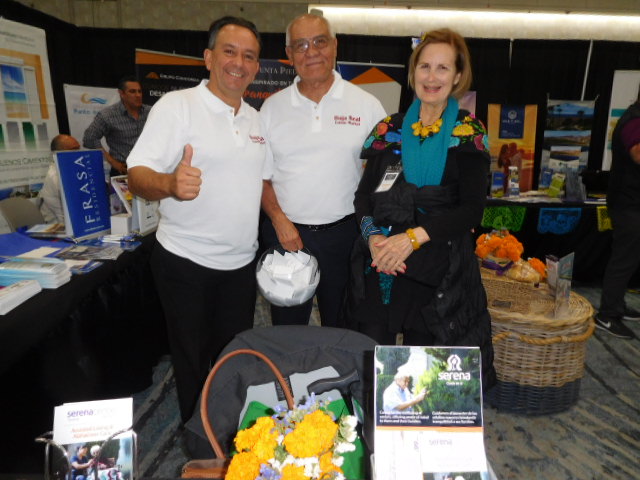
The highlight for me, related to some of my work as a senior placement consultant for Mexico, was to meet up with Miguel Angel Torres and Marisa Molina of Serena Senior Care in Baja California. I toured their Rosarito assisted living home last year and am eager to return to see their latest developments.  I appreciate their dedication, enthusiasm, and focus on quality care. See www.serenacare.net plus links to videos found on their web site.

As an aside, Serena offers residents and visitors to Baja a Full Assistance Card for $99/year ($198 per couple).  The Full Assistance Card offers ambulance services, roadside assistance, a 24-hour bi-lingual call center, discounts, and access to online medical records. Have not seen this service in action so am not in a position to comment on it. Information on this is at the web site listed above.

Miguel Angel Torres, one of his supporters, and Wendy Jane Carrel Assisted Living Consultant for Mexico at Serena Care booth

Corey Avala of www.RetireBaja55.com was also present to encourage folks to retire early and “affordably” to one of three developments he is involved with. Have not seen them.

Jane Garcia, a realtor from Dream Home Mexico was also there to espouse the benefits of retiring to Mexico.

One of the advantages of Baja California for assisted living and retirement, aside from the lower cost of living, is its close proximity to San Diego for health care through the Veteran’s Administration, and U.S. healthcare for American ex-pats who wish to return in case of need.

Many thanks for the warm reception by the San Diego Union-Tribune sponsor team!  Many thanks to the San Diego Union-Tribune for producing the San Diego Eldercare Directory 2020 available in print at the expo, and also available on-line at http://www.sandiegoeldercare.com. The directory includes listings of independent living and long-term care throughout San Diego County.

https://www.youtube.com/watch?v=pjO4FIeS-7g

Ex-pats in Mexico, Life Plan Communities Mexico, Mexico Senior Living, Retirement in Mexico, Senior Living Mexico

Envisioning a Retirement Boom, Mexico Creates More Independent Living for Americans and Canadians – Especially at Lake Chapala

I am a Spanish-speaking senior care specialist for Mexico, serving Americans, Canadians, and Europeans who are discovering they may not be in a position to retire, or, may outlive their savings. They are looking for more affordable aging options at home or abroad.

Where are these retirees choosing to move if going abroad?

Mexico … for the most part, because of its proximity to Canada and the U.S., milder weather, opportunities for new life adventures, and most of all, access to medical and senior care at one-third to one-half less than at home – a major concern, just in case, even for those who are super fit and who follow a healthy lifestyle.

This boom is no surprise to developers from Canada, Mexico, Spain, and the U.S. who have anticipated the rise in the number of retirees from Canada and the U.S for over 10 years – to Baja California, Mazatlan, Oaxaca, Puerto Vallarta, San Miguel Allende, and the Quintana Roo/Yucatan states where Merida and Cancun reign. Large numbers of ex-pats continue to arrive.

Many new retirees – boomers, boomers bringing parents, and some Gen-Xers – love technology, travel, and learning. They like to drive, to explore. Some will continue to work on-line. More than anything they enjoy their independence. They seek ways to live more economically, and, use Mexico as a home base for more travel.

They have unique interpretations of what independent living means. Generally, the vision is of a person 50 or older, usually but not always retired. The overriding lifestyle goal is AGING IN PLACE either within a community where one is self-sufficient, or in a community providing services such as meals, laundry, cleaning, and transportation.

Mexico is preparing to offer a variety of such choices in beach environments or the colonial highlands.

However, unlike the U.S., retirees must not expect choices as diverse as an all Hindu, laughing yoga, retired postal worker, artist, Japanese, or Presbyterian senior community, nor any development as large as a Sun City.

The most aggressive housing expansion has been at Lake Chapala, one hour south of Guadalajara, Mexico’s second largest city, which also boasts an international airport.

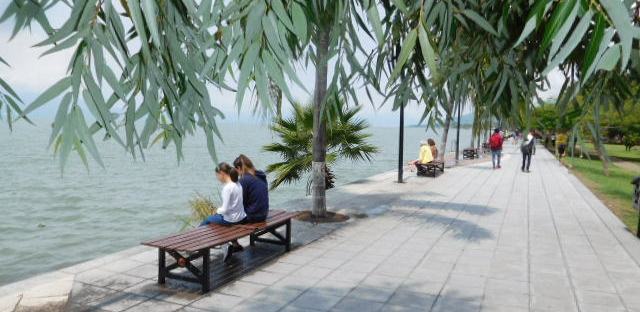
Ajijic malecon, Lake Chapala, Mexico

What kind of housing are retirees finding at the lake?

If not stand-alone private homes, most retirees are on the look-out for living akin to 55+ communities near golf courses, shopping, gyms, spas, and the company of other ex-pats.

What’s in the offing at Lake Chapala?

Three large construction projects – two Life Plan Communities with independent living (with moves to assisted living or nursing care as part of a long-term plan), and one “luxury” development of condos and casitas not unlike already existing communities known as El Dorado, El Parque, or The Raquet Club replete with tennis courts, pools, a club house, gym equipment, and gardens. The new projects may open by 2021.

Video of El Dorado Private Residence Club:  https://www.youtube.com/watch?v=72qzBeIuJio

El Parque website:    https://elparque.weebly.com/

Video of The Raquet Club:    https://www.accesslakechapala.com/location/san-juan-cosala/

The two newest additions for independent living at Lake Chapala are:

Namaste Lake Chapala Community tiny houses, a co-housing enclave in the village of Ajijic. Its founder is American James F. Twyman, a body/mind/spirit author and musician who travels the globe as a “peace troubadour.”  The Namaste community opens its doors to the public for morning meetings to discuss or review A Course in Miracles.

Namaste Community Patio, Lake Chapala

Namaste offers 12 brightly painted homes providing 300 SF to 600 SF of living space, each with kitchen, bath, and living areas. The Namaste concept is to age in place affordably, bringing healthcare in should it be needed. Meals are communal, or taken to your residence if you wish silence.

Namaste Co-Housing Community, Lake Chapala, Mexico


Namaste Co-Housing Communty, Lake Chapala, Mexico


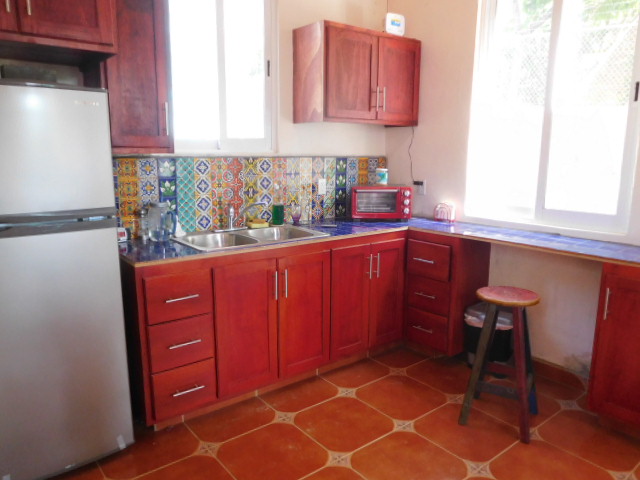
First Completed Namaste Tiny House Kitchen

As of this writing, all but one of the homes have been purchased and/or rented. For more information see www.NamasteLakeChapala.com or call Kerri Moon, Head of Sales, at (510)250-3002, a U.S. phone number.

Ohana Independent Living in San Juan Cosala, 20 minutes west of Ajijic, is the other newbie. The owners are bi-lingual geriatric nurses. Even though there is no assisted living or nursing care at their two story independent living home on the lake, folks with walkers who can take care of themselves are welcome. An elevator is currently being installed.

Ohana Independent Living main gate entrance, Lake Chapala

Ohana Independent Living is located on a large lakefront estate with sprawling lawns, close to nature. There are 12 rooms. Each residence has mountain or lake views. There is a balcony on the second floor facing the lake. Rooms are partially furnished or decorated to one’s preferences. Dogs are welcome. Meals are included, as well as laundry, maid service, and parking. There is no web site. For more information call Alonzo Garcia at 52 331 495-6167.

Alonzo, Ana, and Adam bi-lingual owners of Ohana


Patio at Ohana Independent Living, Lake Chapala


Cloudy day view of Lake Chapala from Ohana Independent Living


Dining room, newly opened Ohana Independent Living, Lake Chapala, Mexico

Summation:

There are currently three independent living residences with meals, laundry, maid service, and parking for your car at Lake Chapala. There is a fourth residence, owned by a physician, with no parking. If you became seriously infirm at any of these places, you would be required to move somewhere else. Monthly fees range from $1200 to $1800/month USD, the average cost of Mexican assisted living with no frills.

There are another four communities designed as individual apartments for older adults. Stretching the interpretation, there are about seven more that have a community feel but are exclusively rentals; the renters happen to be older adults. There are also four hotel apartments, some with kitchens, rented long-term by older adult ex-pats.

There are two intentional co-housing communities. Other than Namaste there is Rancho La Salud Village in West Ajijic. It consists of a group of larger homes created for aging in place and green, sustainable living. There are no communal meals, each resident is on his or her own. RLSV was founded in 2010 by Jaime Navarro and his wife Sara Villalobos, together with “green” architect Rick Cowlishaw.  See www.ranchollasaludvillage.com

As of this writing, other “independent living” and/or senior living projects for ex-pat retirees are in the works throughout Mexico awaiting, for the most part, American and Canadian boomers.

Wendy Jane Carrel, MA, is a Spanish-speaking senior care specialist and consultant from California. Over a period of several years she has traveled state to state in Mexico researching health systems, senior care options, end-of-life care, and disposition of remains. She volunteers at the only 24/7 palliative care hospital/hospice in Jalisco that also has a community outreach service. http://www.WellnessShepherd.com or contact her at wellnessshepherd@aol.com.

You have permission to re-post the entire article when you include author’s name, biography, and contact information as above.

© Wendy Jane Carrel, 2019

Resources

https://en.wikipedia.org/wiki/Independent_senior_living  definition of independent living for older adults

https://en.wikipedia.org/wiki/Cohousing   definition of co-housing

https://www.ic.org   listing of Intentional Communities worldwide

http://www.dailycommercial.com/opinion/20170616/letter-many-boomers-opt-for-cohousing

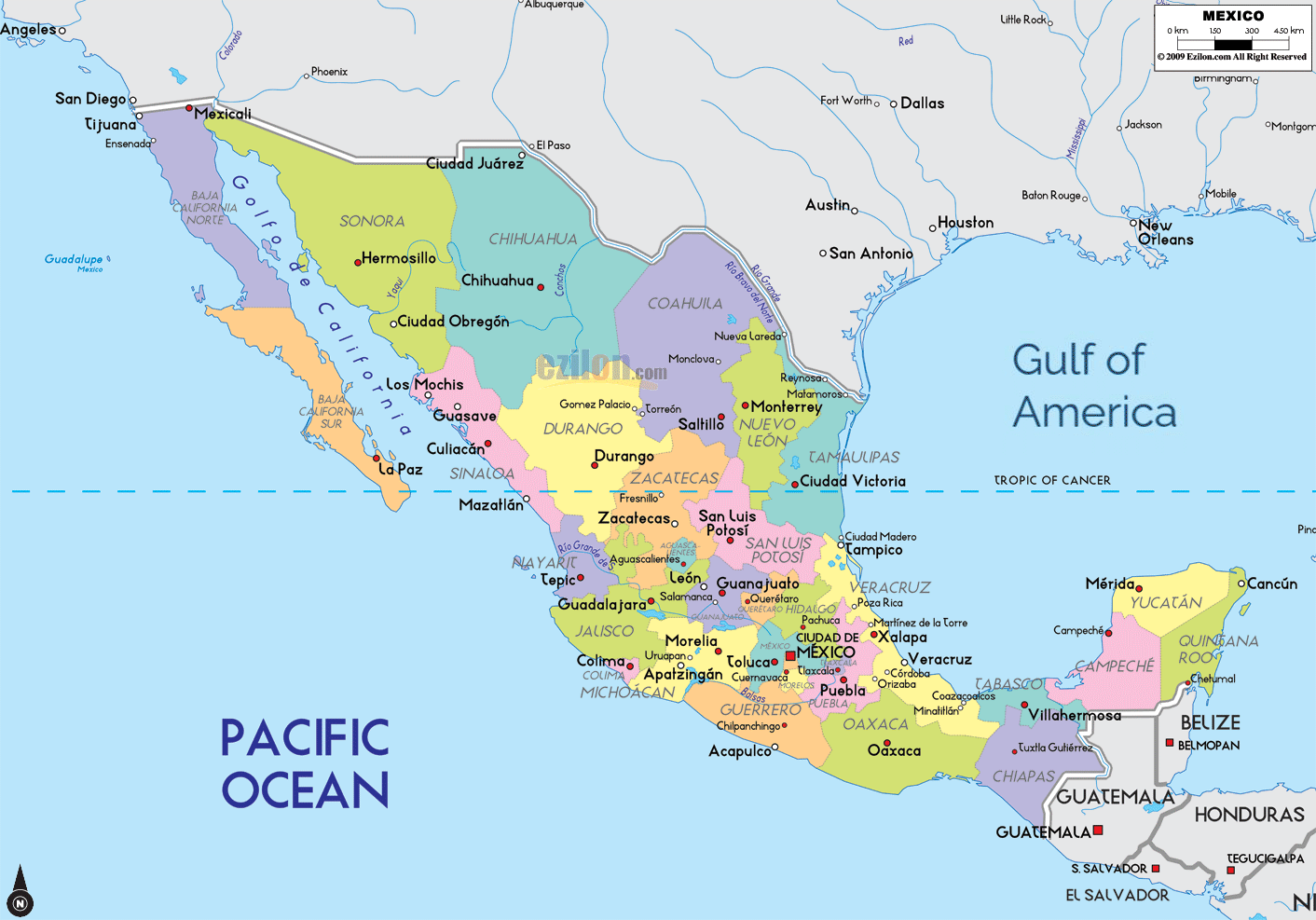
https://www.ezilon.com/maps/images/northamerica/political-map-of-Mexico.gif  map of Mexican states and major cities

https://www.nytimes.com/2019/05/10/health/assisted-living-costs-elderly.html My favorite senior care journalist Paula Span writes about Americans outliving their funds, or not having enough funds, for assisted living or care at home.

https://internationalliving.com/countries/mexico/cost-of-living-in-mexico/  This article is intended to “sell” Mexico. The table with cost-of-living for 2019 is more or less accurate.

https://www.aarp.org/home-family/livable-communities/info-04-2012/great-quirky-places-to-retire.html  An AARP review of unusual U.S. retirement communities

https://www.marketwatch.com/story/8-quirky-retirement-communities-2013-01-22

https://www.nytimes.com/2016/03/29/health/retirement-communities-indian-chinese.html

https://www.floridaforboomers.com/nalcrest/  a Florida retirement community for letter carriers

http://theguadalajarareporter.net/index.php/news/news/lake-chapala/31253-seniors-fair-foreshadows-boom-in-mexicos-retirement-living-industry  prescient article from 2012