When it comes to navigating the older adult care crisis in the U.S., there is no single solution. Every family and elder I speak with faces a unique, incredibly complex set of circumstances. When they cannot find viable solutions at home, they are increasingly searching for affordable care elsewhere—mainly long-term care in Mexico due to its proximity and climate, or in nations where they qualify for a second heritage passport.
In recent magazine and podcast interviews, we dive into this international perspective—unpacking real-world pros and cons of domestic care and the honest truths of crossing borders for help.
In 2024, I wrote an extensive piece about eldercare beyond U.S. borders and why families are running out of options at home: Finding Eldercare/Senior Care Abroad.
That post brought insightful journalists to my door.
The first was Hikari Mae Hida, an international journalist and translator who deeply understands caregiving through her own global reporting and family experiences. Her well-crafted story for Deseret Magazine, “The Great Global Caregiving Crisis,” masterfully outlines the high-stakes families face. The article opens with my serious question:
“What if we live a long life and are abandoned or without funds despite our best efforts?” For Wendy Jane Carrel, a senior care specialist with over two decades of experience who operates the consulting service Wellness Shepherd, this question is a looming reality.
I am grateful to Hikari for quoting me throughout and bringing vital mainstream attention to this systemic issue. You can explore more of her work at Hikari Mae Hida’s Official Site.
International social impact consultant Anna de la Cruz published a powerful, deeply personal account of the care economy for Slate. Her article, “Exporting Our Elders,” (sorry, no complimentary read from Slate),highlights my mission at Wellness Shepherd to help families discover compatible, affordable long-term care workarounds abroad. Thank you, Anna, for sharing your heart-wrenching story as a sandwich-generation caregiver balancing young children while managing complex, high-stakes medical logistics for your disabled brother and your parents. Learn more about Anna’s consulting work at Anna De La Cruz | Social Impact Consulting.
Following that piece, Anna Sale—the creator and host of Slate’sDeath, Sex, and Money podcast—invited Anna de la Cruz to share her story on air. The episode also featured Laura Silverstein, a Seattle-based Aging Life consultant (who helped design the care plan for Anna’s mother), and me.
My reflection “humane eldercare has often become a luxury item” ended up as the header for the episode. A quick disclaimer if you listen to the podcast: you may wonder if I was recovering from watching a weepie movie! Between my “stealth-whisper” and sounding unrecognizable – I usually deliver actionable advice and solid support nuggets – I have determined host Anna Sale’s famously hypnotic, soothing voice must have lulled me into a trance.
While it’s safe to say I won’t be winning any broadcasting awards for performance, the brilliance and clarity Anna de la Cruz and Laura Silverstein bring to the conversation make it a truly necessary listen for anyone facing care choices.
Ultimately, my hope is that these stories continue to spark an urgent conversation: the critical need for a more affordable, dignified, and humane care infrastructure throughout the nation.
Wendy Jane Carrel, MA, is a trusted Older Adult Advocate and Cross-Border Consultant who has hands-on experience with healthcare systems, Aging in Place, international retirement transitions, long-term care, palliative care, and end-of-life care in Mexico, Ecuador, other nations, and the USA. She provides informed, thoughtful guidance and curated, compatible care options for reitrees, solo agers, families, and their loved ones. She is a speaker and published author on subjects related to senior well-being and a trauma-informed end-of-life doula. Wendy’s web site is http://www.WellnessShepherd.com.
First, a little background. Where is Sonora and what is it like to live in a cowboy culture?
The people of Sonora, known as Sonorenses, possess a unique spirit. It’s a blend of indigenous (Mayo, Yaqui, and Pima) customs and Spanish heritage plus a strong work ethic.
For centuries, Sonora has offered an agricultural, fishing, and/or rural ranching (vaquero) lifestyle. By virtue of its border with Arizona (and a small section of New Mexico), Sonorans have a close connection to the American Southwest. Most of all, they have a deep relationship with the land and sea.
There is a relaxed, informal atmosphere in Sonora – a directness and pride of culture and cuisine – especially the importance placed on the mesquite grill, serving carne asada that has brought families and friends together over open campfires for hundreds of years.
Hermosillo Airport shops boast refrigerated cases of world-class beef (placed in cardboard carry boxes when sold), bottles of bacanora (the region’s protected agave spirit), and “coyotas”, Hermosillo cookies filled with brown sugar, caramel, guava, nutella, quince, or chocolate. (Coyotas are female coyotes or a term referencing a mestiza woman of mixed Spanish and indigenous heritage).
At the Hermosillo airport warmth was evident, and not just with the weather. (Think Arizona). A sweet family ensured I found my Uber; and my Booking.com hosts went out of their way to make my stay meaningful from the moment of my arrival until my departure for Guaymas.
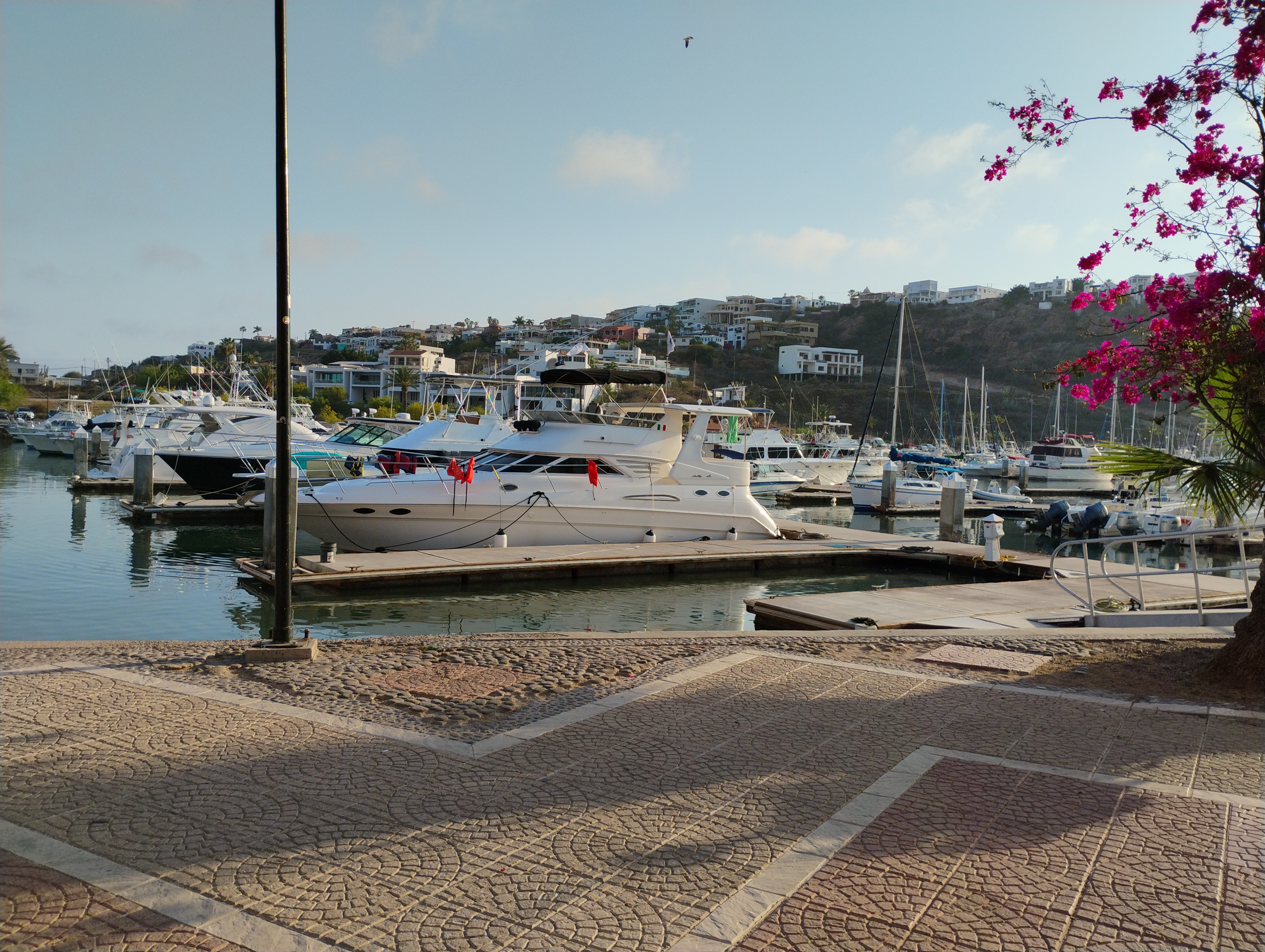
Many towns in southern Sonora feel like undiscovered gems – from the charming colonial pueblo magico Alamos (I love Alamos) to the beaches of Guaymas and San Carlos. These are relatively peaceful destinations off the beaten path, authentic, not overrun with tourists. Below is a photo of the quiet San Carlos harbor:
Preparing for the Unexpected in Sonora, Mexico (or anywhere else)
As a solo traveler, I leave home WITH travel insurance. Before departure, I search for the best doctors with the least invasive procedures for hip fractures ahead of time. With insurance, my prayer is nothing will happen. However, insurance is only a part of the story for those of us without Mexican nationality as it relates to healthcare and end-of-this-life.
Each state and some cities in Mexico—much like in the U.S. or Italy—has its specific laws and traditions regarding healthcare, medical directives, and the disposition of remains. For best outcomes, it is important to know what those laws and traditions are, and to be prepared in case anything happens.
As I share in presentations about Mexican Advance Health Care Directives, Preparing for Emergencies, and Palliative Care and/or End of Life, Mexico is not Canada or the U.S.
In short, Mexican law is civil law, not common law. Families and blood relations rule. Customs and traditions are different. Attitudes and expectations are generally not the same either. The healthcare system has its own idiosyncrasies.
On this trip (my third to Sonora), my goal was to understand the reality of medical emergencies for expats living in the southern part of the state. Much has changed since before the pandemic. I am pleased to report, as with other communities in Mexico, healthcare access has continually improved for expats as well as local Mexicans.
Lessons from the Field
I spent my time connecting with people dedicated to creating community support. My “healthcare dive” included meetings with…
The Expat Community of Guaymas/San Carlos:
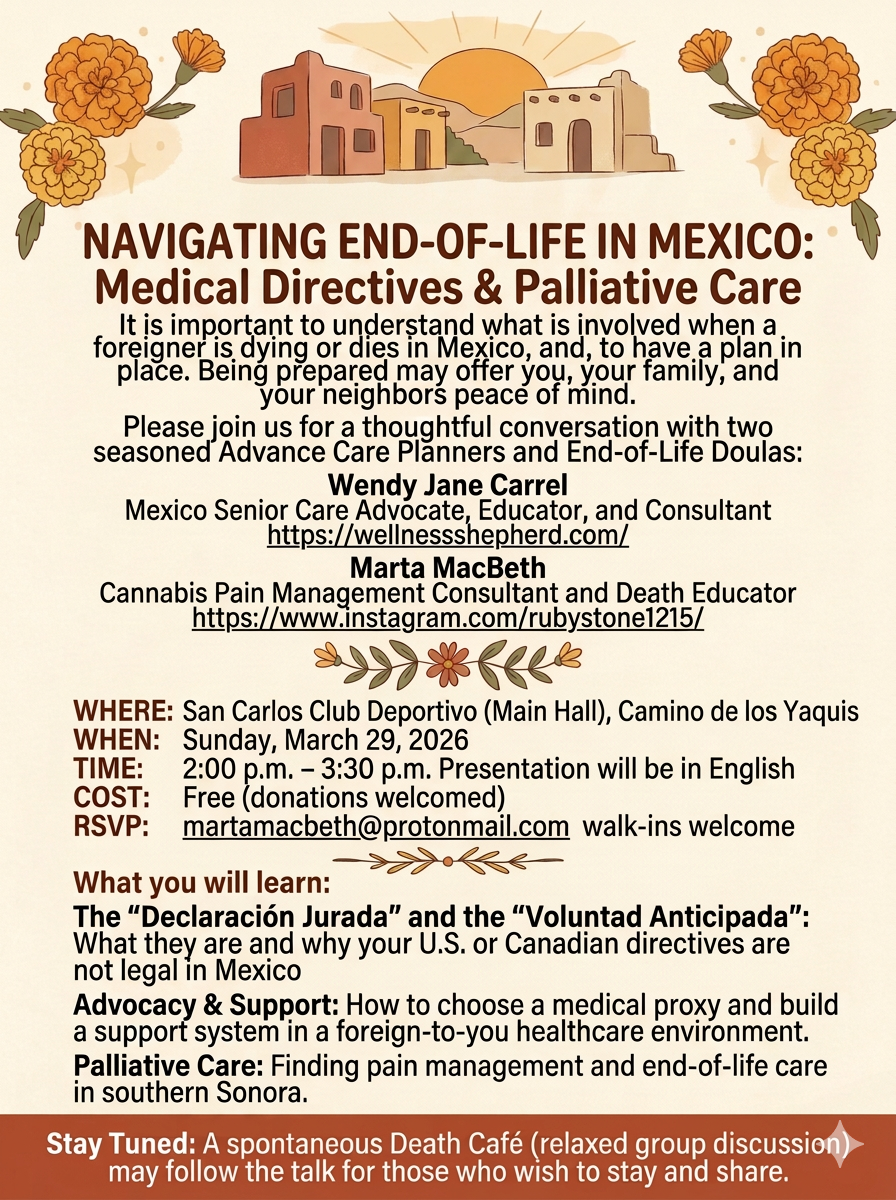
Thanks to the invitation of death educator and death doula Marta Macbeth, and the seminar we produced – “Navigating End-of-Life in Mexico: Advance Directives and Palliative Care” – at Club Deportivo in the coastal fishing village of San Carlos, I received a better understanding of needs and healthcare through expats and locals we met up with.
There are around 3,000 foreigners in the area during high season, many from neighboring Arizona and New Mexico. Some come from as far as Canada or Minnesota.
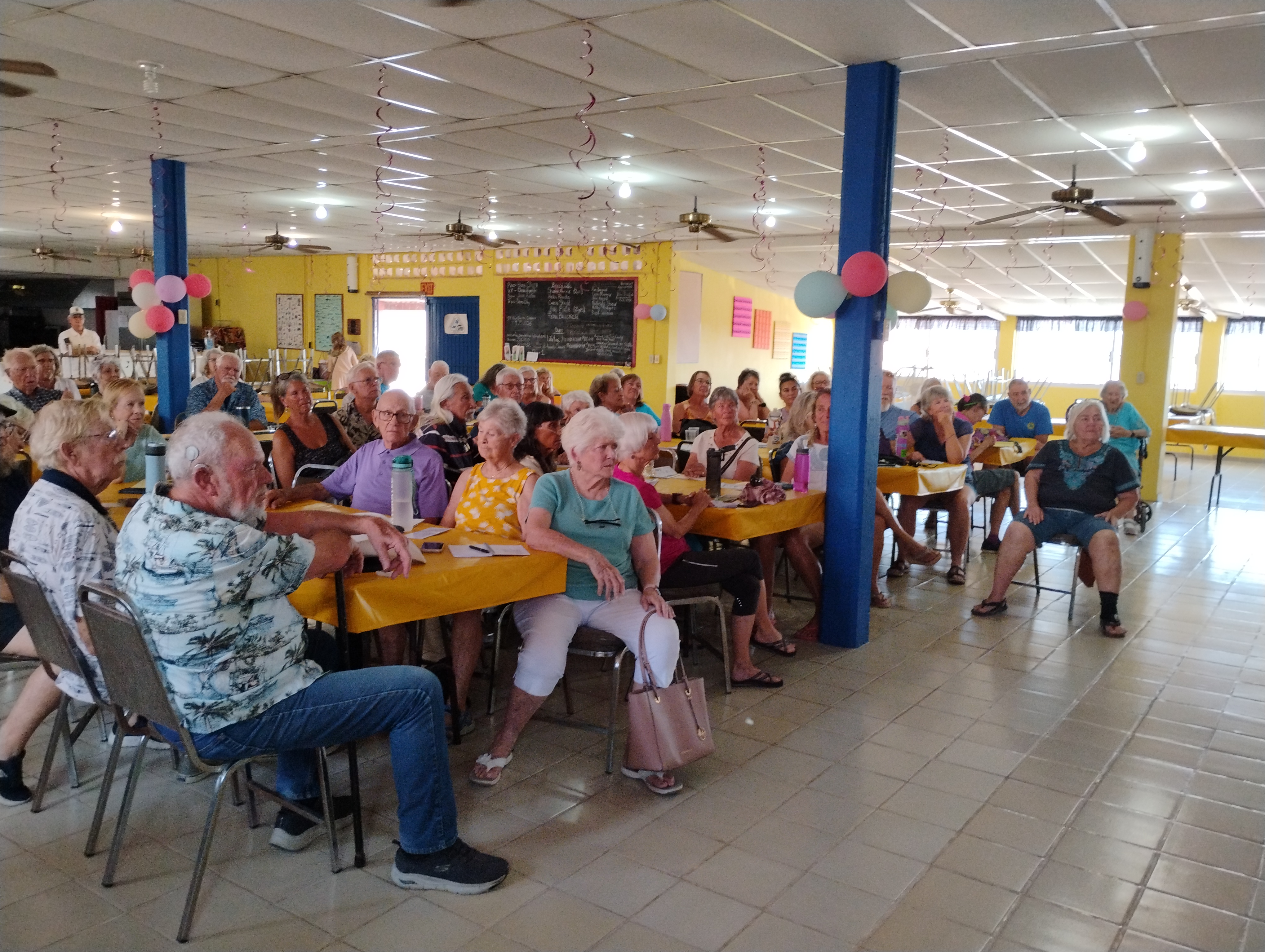
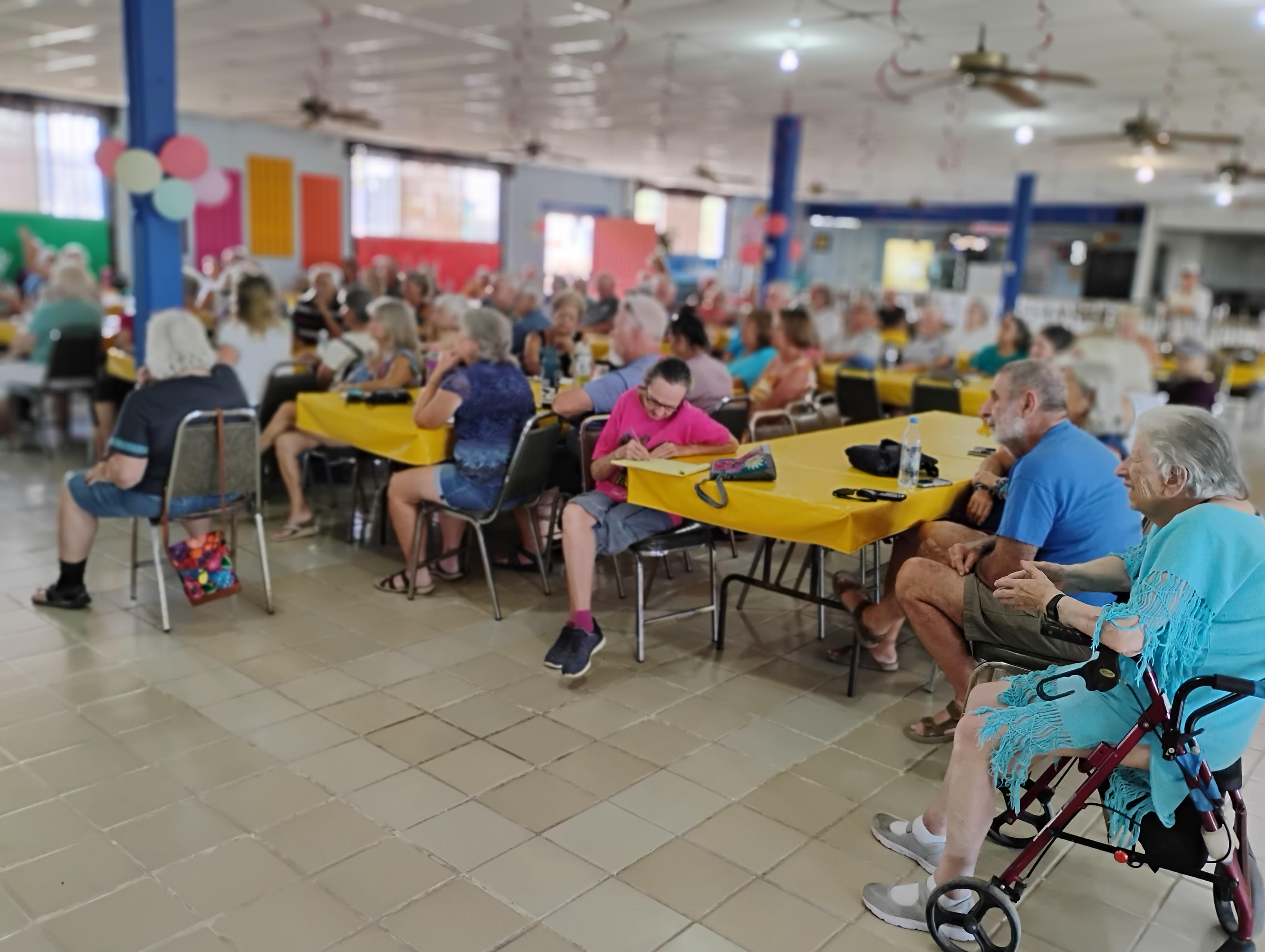
Long-term residents and retired Canadian and U.S. healthcare providers came to the gathering. To my surprise, over 100 folks turned out in the heat and humidity for an interactive exchange about preparing Mexican healthcare directives and what palliative care is available in southern Sonora. No one left! We followed with a mini-Death Café to share thoughts about mortality.
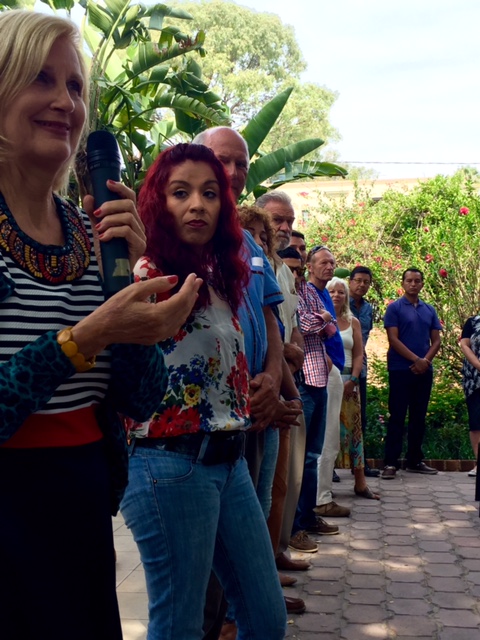
Below are photos of those who braved the heat. Our thanks to them.
During the gathering six expat residents shared their healthcare stories about the realities of Aging in Place with illness, going to a hospital, accompanying a loved one who was dying in San Carlos to a hospital in Hermosillo. Even though situations were emotionally or strategically challenging, they were learning experiences.
The outcomes were for the most part positive, as best they could be, including the story of a solo ager who died in San Carlos and left behind funds and instructions for his friends to celebrate his departure. Thank you Barbara Oliver for sharing the touching celebration story of your friend and for providing the space at Club Deportivo.
First Responders: Melissa “Moosey” Nicoletti, an energetic American volunteer coordinator for the local ambulance and rescue service Rescate, shared several meaningful stories, cautionary tales included, at the gathering. We had the opportunity to meet up with her afterward.
What is Rescate?
Rescate (Rescue in Spanish) was established in 1980. It is a Mexican non-profit and a registered Arizona non-profit 501(c)(3) for tax deductions in the U.S.
Rescate has two ambulances, an infirmary with three equipped first aid treatment rooms, and a large building which houses the Rescate Treasures Thrift Store – a friendly community meeting place for those who live in San Carlos or Guaymas. One day a week they feature food and artisan vendors on the back patio of the thrift store.
On the website at the link below, if you are interested, you will find the well-written Health Tips page with advice not only for southern Sonora but applicable to other parts of Mexico. The only item missing for me was what to do when bitten by scorpions, something I am obsessed about as friends in Jalisco have been bitten. (I travel with diatomaceous earth and place it at doorways as a deterrent).
Melissa shared Rescate will expand the death and dying portion of its website soon.
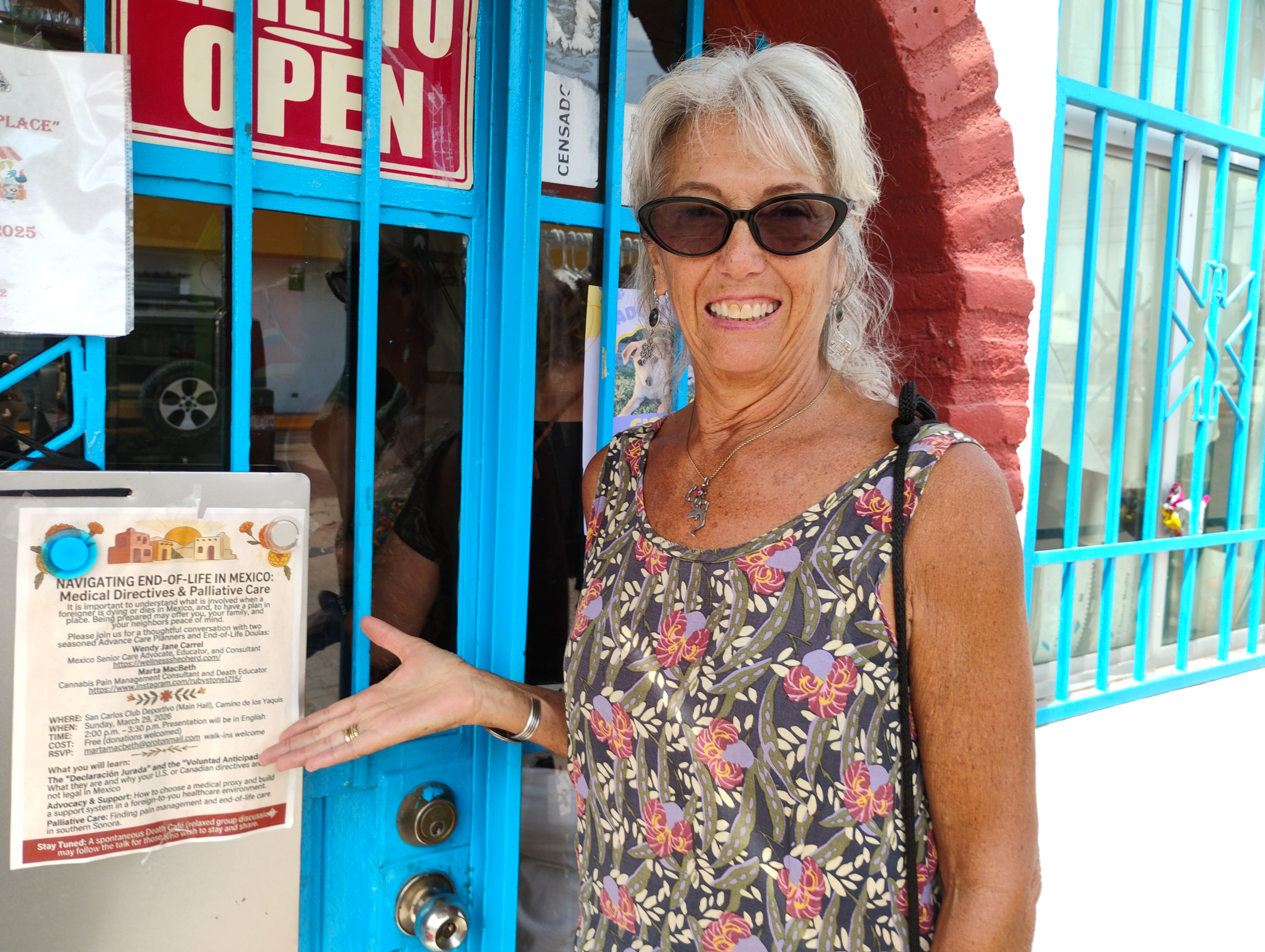
The photo below is of death doula and educator Marta Macbeth outside the Rescate Treasures Thrift Store. The poster to the left is the poster for our event which is also in another photo below more distinctly.
An Official Liaison in San Carlos/Guaymas: Marta introduced me and the attendees to another energetic wonder, Cindy Denzer, the CLV (Citizen Liaison Volunteer) who liaises for the U.S. Consulate in Hermosillo. Other than being the “eyes and ears” for the consulate about daily life in the area, she assists travelers in distress and proactively addresses healthcare emergencies such as meeting expats (often solo agers) at hospitals, or helping families and other loved ones arrange for after death. In a somewhat rural area like Guaymas/San Carlos Cindy’s support is both needed and appreciated.
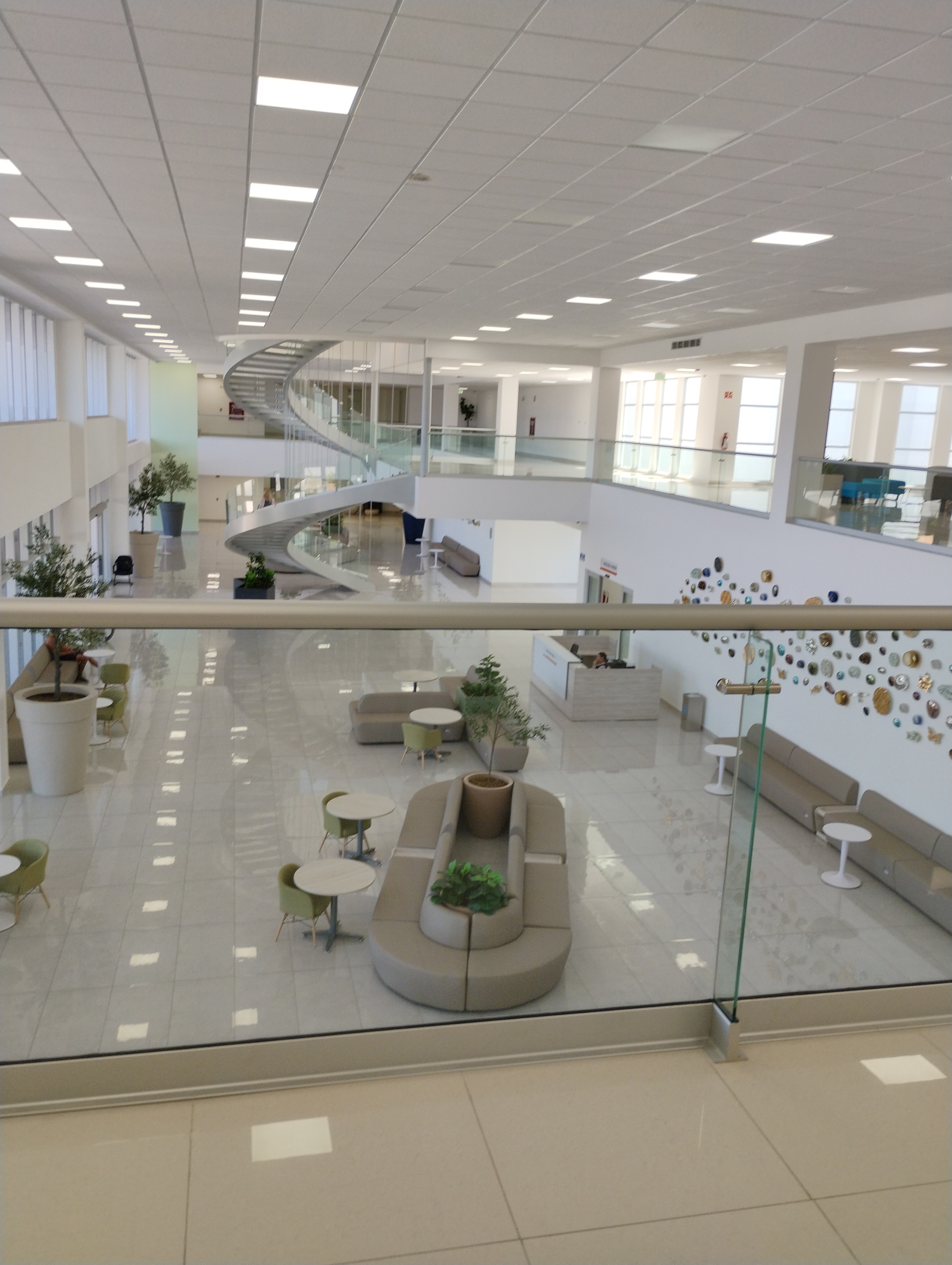
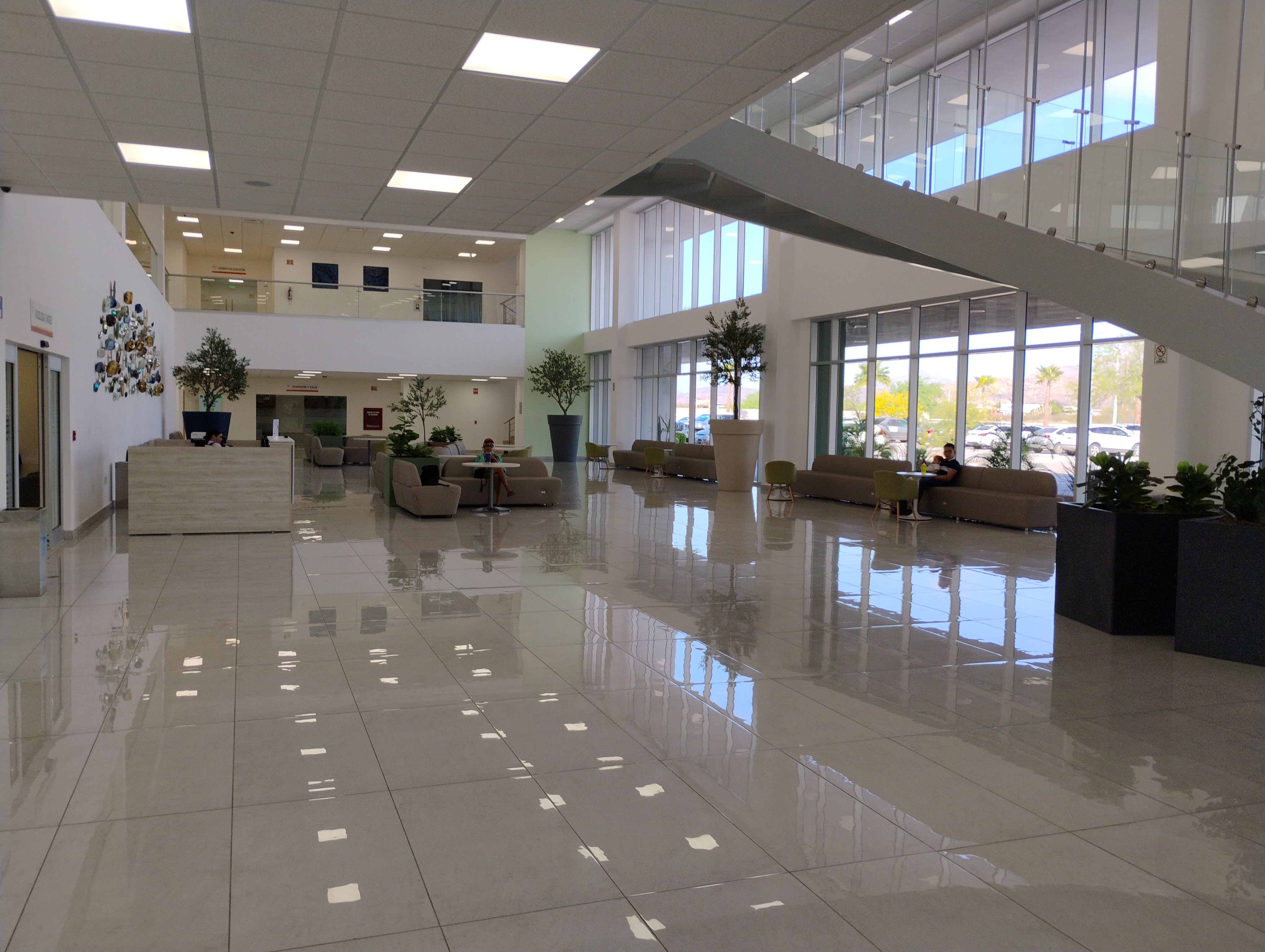
Physicians and Hospitals, a boots-on-the-ground view of local options: Other than the Rescate infirmary and a few local physicians there is the beautiful new level three (highest level) Hospital San Jose. According to locals, the opening of Hospital San Jose is welcome, no more hour-long ambulance rides to Hermosillo. And, they stock anti-venom for scorpion stings. I asked. Here at the Sea of Cortez, however, jelly fish stings seem to be more common.
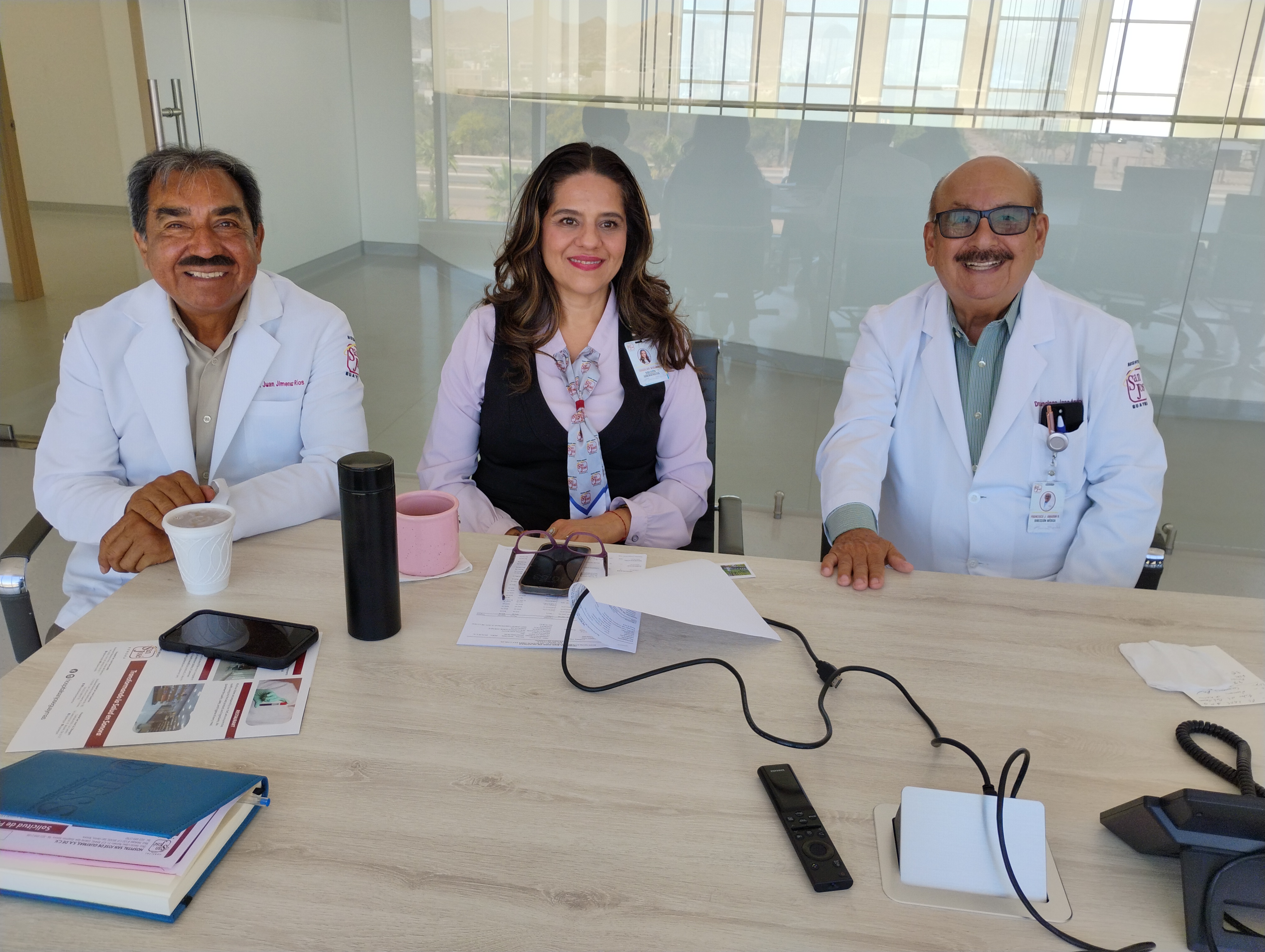
The photo below is of Dr. Juan Jimenez, the Medical Coordinator, Administrator Guadalupe Miranda Castellanos, and Dr. Amador, the Medical Director. That warmth is authentic! Marta and I spent an hour with them and we thank them again for their hospitality.
The photos below show the beautiful energy of light throughout the hospital. There are more photos on the hospital’s website https://grupomedicosanjose.com/guaymas/ .
Senior Care: There are a handful of assisted living residences in Hermosillo; the residents are Mexican or Mexican-American. In Guaymas there is a small residence struggling to survive. There is a rumor that the second floor of Hospital San Jose in Guaymas may become an assisted living residence. The hospital administrator and medical director confirmed that the concept is under discussion. They would be fulfilling a community need.
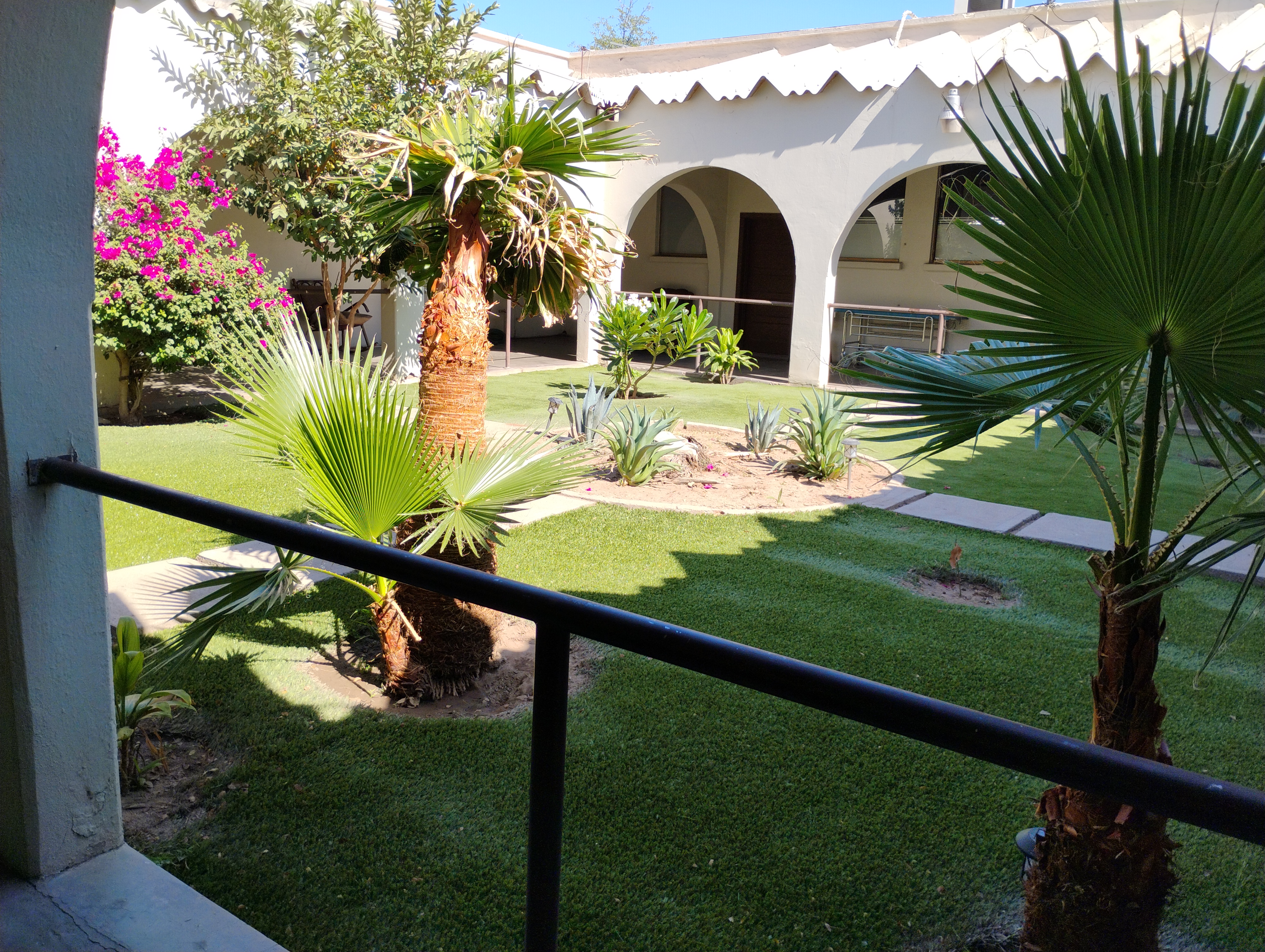
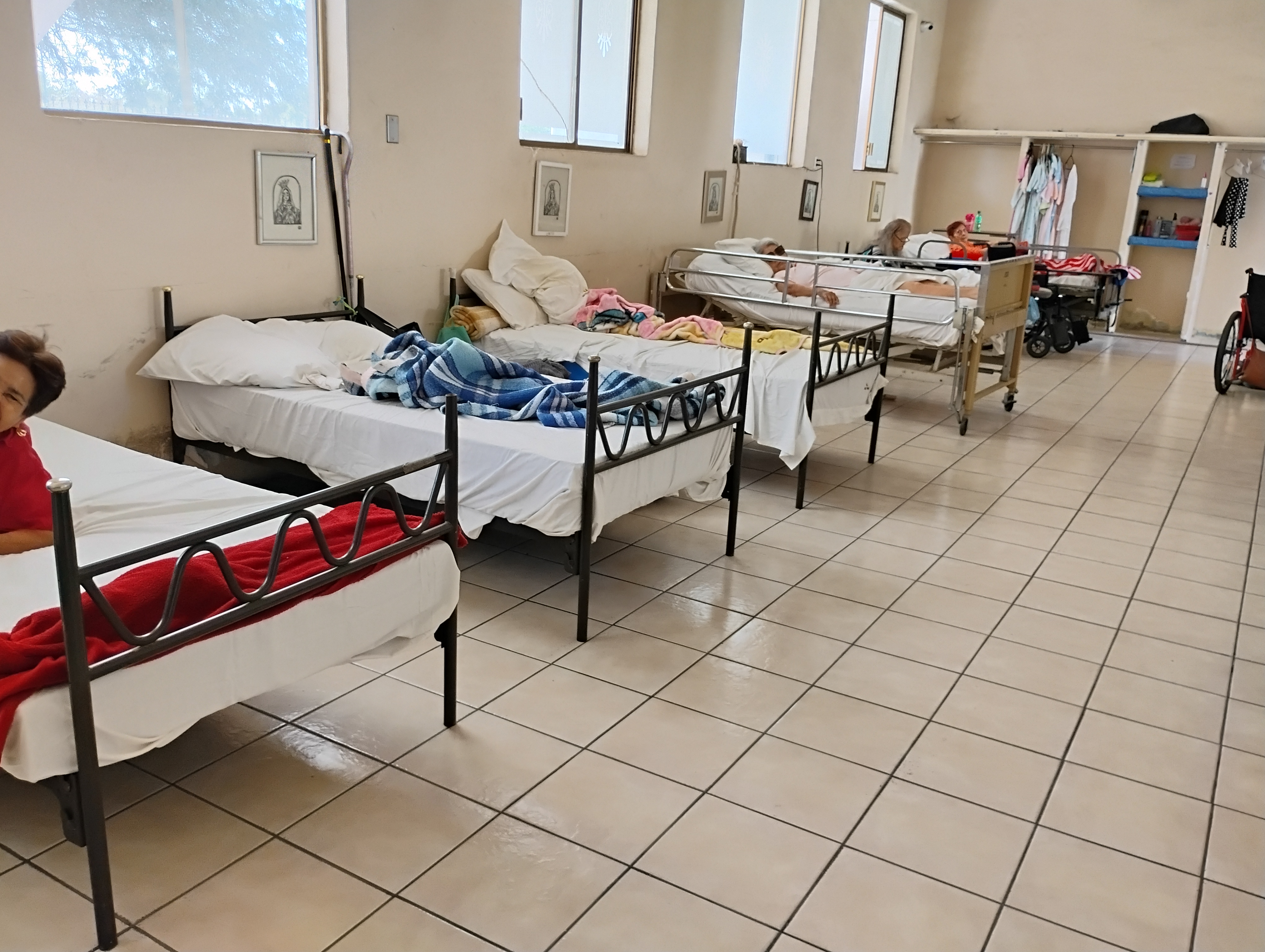
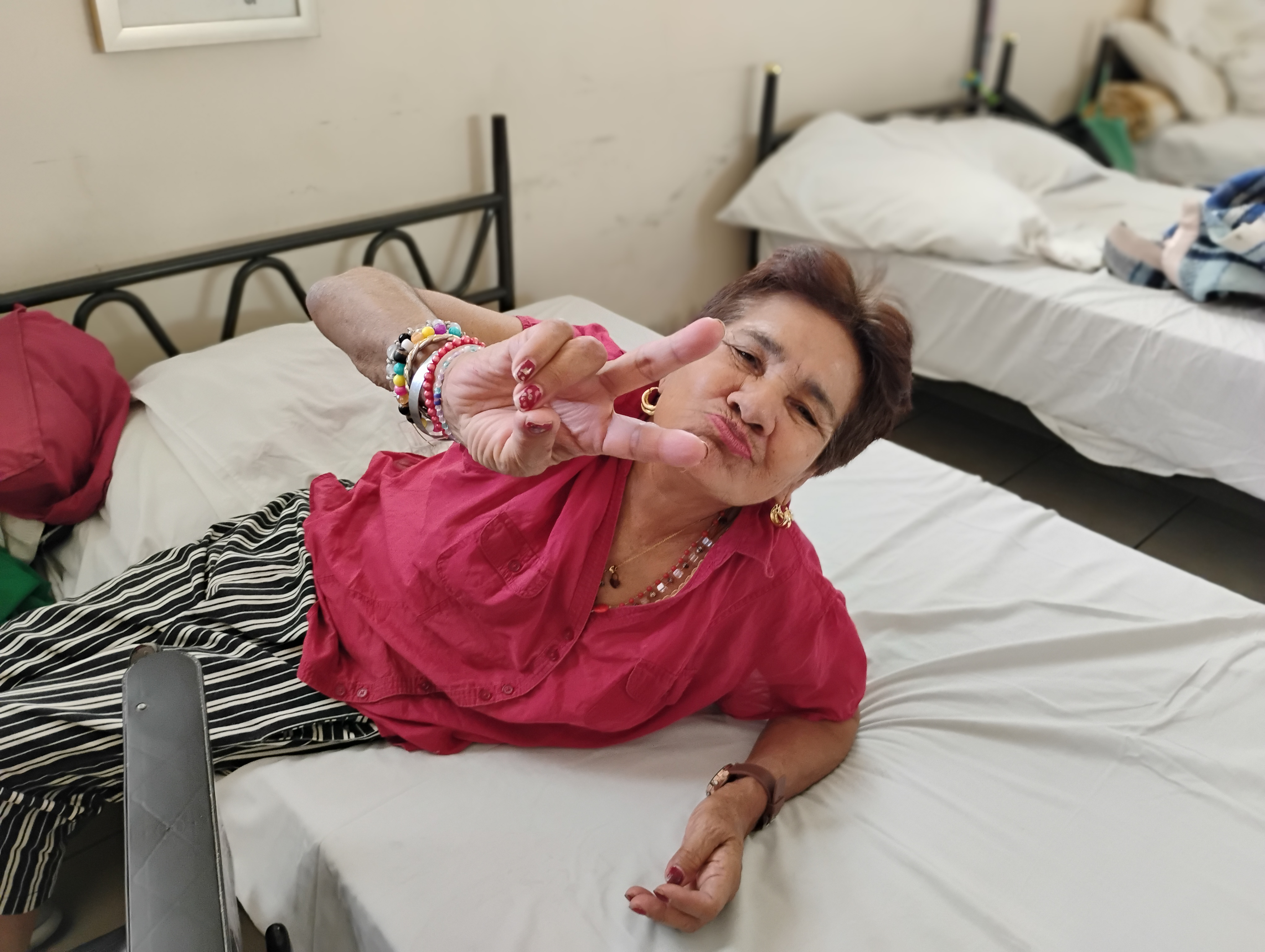
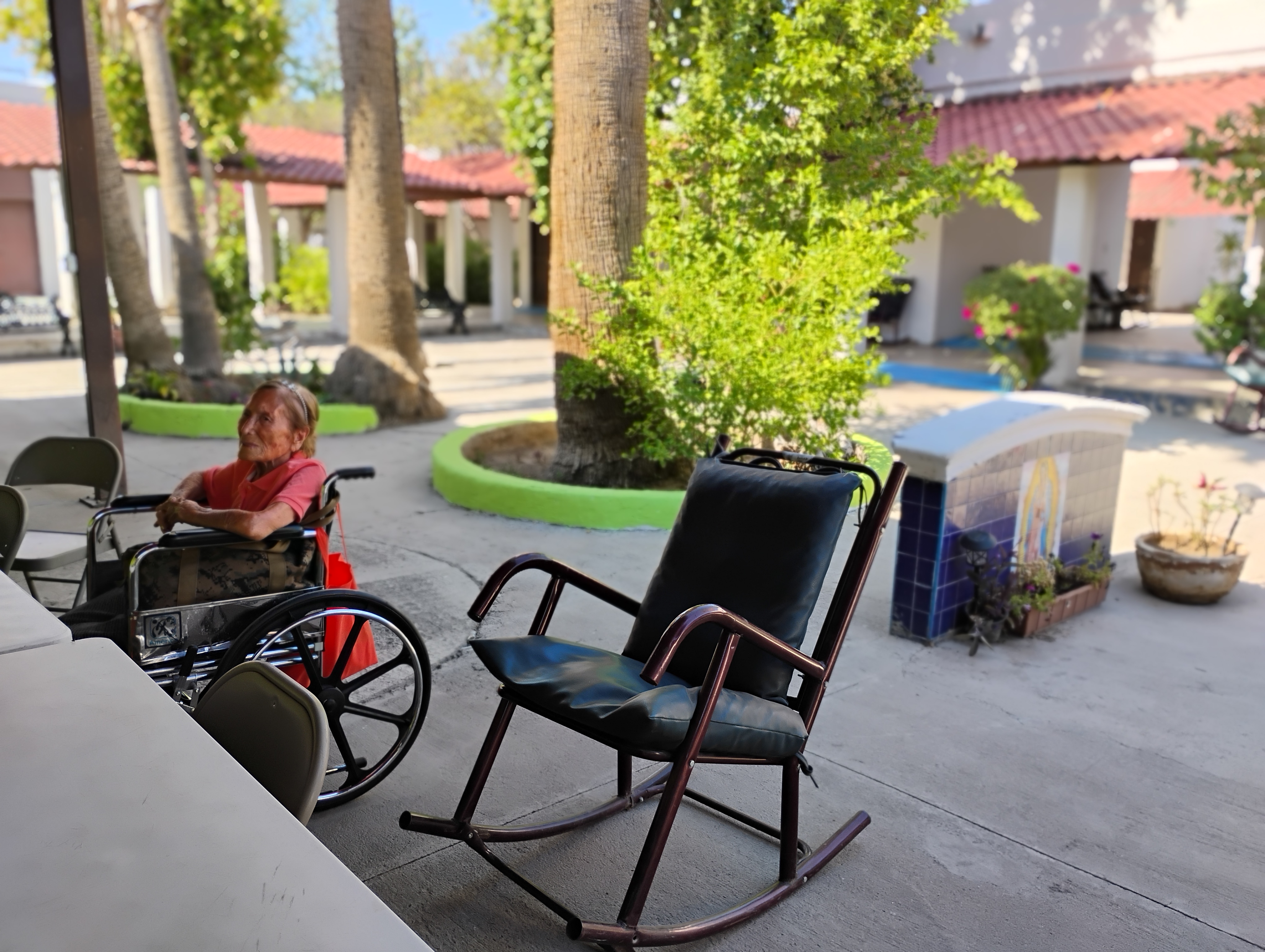
With Alejandra, my host in Hermosillo, I toured Asilo Juan Pablo II, a modest Mexican residence for men and for women. Below are some photos taken with permission.
WhatsApp “After Incident Support Group“
San Carlos has an Aftercare group. Everyone in the circle is aware of needs of persons who are healing at home or in a hospital setting. At my base in Lake Chapala, Mexico, faith communities offer healthcare outreach and pastoral care, also on What’s App. I’ve been a part of two groups at the lake and I find being in these groups is a remarkable way to learn what is going on in real time.
What I Learned
The healthcare scene in southern Sonora is a patchwork of local kindness and professional resources. While the “informal” nature of the culture is charming, a medical emergency requires a formal plan if you are not Mexican. If you are Mexican, you likely have at least 20-30 family members who will know what to do. Whether it’s preparing medical directives that comply with Sonoran law or understanding how private insurance works (if you are over a certain age, you may not be eligible for Mexican private insurance), preparation is the key to enjoying the relaxed Sonoran lifestyle safely.
As in many communities of Mexico where expats congregate, southern Sonora has stitched together an energetic, experienced volunteer safety network. Each person brings compassion, rescue skills, and support for healing.
Thank you Marta Macbeth for inviting me to San Carlos and sharing with me life in your community. You created beautiful memories.
Note: I plan to write about palliative care and end of life in southern Sonora in another blog. Stay tuned.
Wendy Jane Carrel, MA, is a trusted senior care advocate and consultant with over 25 years of hands-on experience navigating cross-border healthcare systems. A specialist on Aging-in-Place and international retirement transitions, Wendy continues to conduct extensive due diligence for senior housing, long-term care, and palliative care across California, Mexico, Ecuador, Italy, and other destinations.
We live in an aging universe, a universe where older adults live longer than ever before.
The need for housing and care, especially affordable housing and care, is growing in all three North American nations – Canada, Mexico, and the U.S. (See the Statistics section for expected growth by 2030 and 2050 at the base of this review).
In 2003, when working at a luxury senior residence in Rancho Mirage, CA, it was evident that healthcare affordability for U.S. older adults would become a challenge or become completely cost prohibitive, especially if dementia was part of the equation.
This revelation ignited my desire to explore international options.
I started investigating Ecuador, Mexico, and other destinations for medical care, long-term care, and end-of-life care, subjects that remain dear to me and those I serve.
My hands-on experience as a Mexico senior living consultant conducting due diligence over a period of 11 years in 18 Mexican states (there are 31. The Federal District of Mexico City makes 32) has kept me engaged and open to what’s happening on the senior living front. An excellent place for me to learn more was as a speaker and guest at this year’s CIAMAR Wellness and Senior Living Investment Summit 50+ to80, a conference produced by Javier Govi.
Govi is a “nearetiring” proselytizer and real estate entrepreneur who has believed in the growth of senior living in Mexico for American, Canadian, and Mexican retirees for more than a decade. His platform is focused on growth with corporate players from Canada, Mexico, Spain, the U.S., and other countries in Latin America.
My interest is in all sectors including smaller residences and intimate communities with sustainable futures.
Who attended CIAMAR 2025?
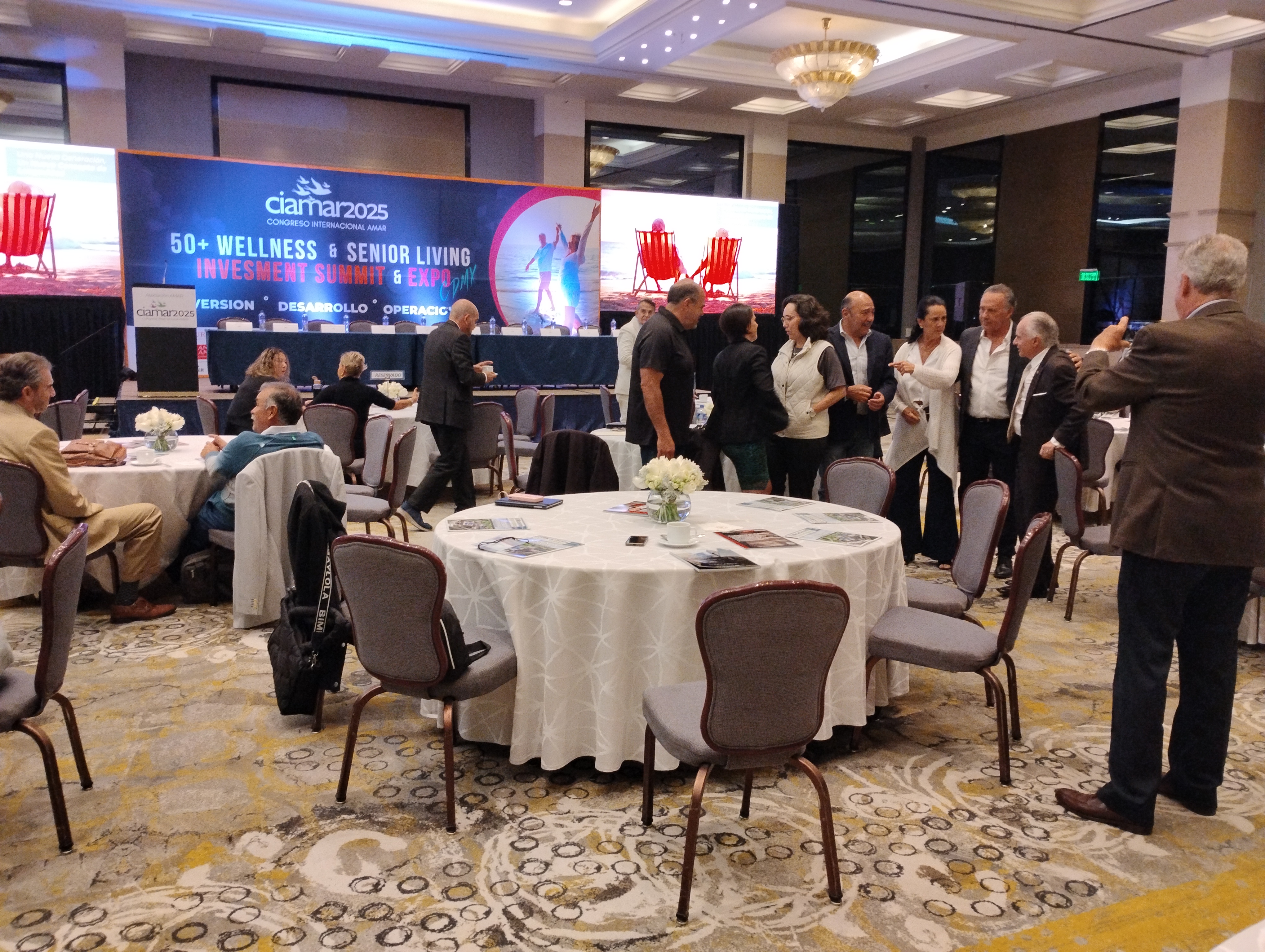
Between 150 to 200 persons attended the summit, gently modelled after NIC (National Investment Center) conferences in the U.S. with 1500 to 3,000 participants. The event was held at the Hotel Marquis Reforma in Mexico City.
Architects, bankers, real estate developers, senior living operators, tourism industry execs, one real estate appraiser, and entrepreneurs from around Mexico – Baja California Norte y Sur (Tijuana, Cabo San Lucas), Cancun, Cuernavaca, Leon, Merida, Mexico City, Puebla, Queretaro – and from other countries – Argentina, Colombia, Costa Rica, (Germany via Zoom), Panama, Spain, were present.
Below is a photo from the first day of the summit, almost an hour before we began.
What was on the agenda and who were the speakers addressing the opportunities?
Speakers from Latin America, mostly from Mexico, brought unique projects and perspectives, some are outlined further below.
These Latin American entrepreneurs see opportunity in attracting Americans, Canadians, and Europeans. One of the speakers referred to the current wave of this cohort as “el tsunami blanco”, the “white tsunami”. (An interesting comment as some expats in Mexico have Afro, Asian, and Latino heritage).
Latin American entrepreneurs are also focused on culturally compatible senior living for their own populations. Is there a way to meld the different cultures? This is a subject that remains open for discussion.
Some Mexican senior living homes thrive on hosting expats as their primary residents.
Despite the perception outside Mexico that Mexican elders are taken care of at home, many still are, there are senior living enclaves for Mexicans around the country, though far fewer than with Mexico’s neighbors north of the border. 31% of 11 million Mexican homes have at least one older adult (INEGI 2020).
According to INEGI (Mexico’s National Institute of Statistics and Geography, 2020) there are approximately 1200 senior living residences including assisted living/nursing care/memory care (often combined into one residence unlike American and Canadian systems). In 2017 there were an estimated 800.
The numbers for Mexico do not include independent living/active adult enclaves but do include corporate senior living, smaller private pay residences, non-profits often run by nurse nuns, and government homes. These numbers fluctuate as numerous small start-ups often close.
In Canada there are approximately 2,076 assisted living/supportive living/retirement residences according to Science Direct. Another source says Canada has 571 assisted living residences. (See Reference section below). In the U.S. there are approximately 32,000 assisted living communities with a total of over one million beds.
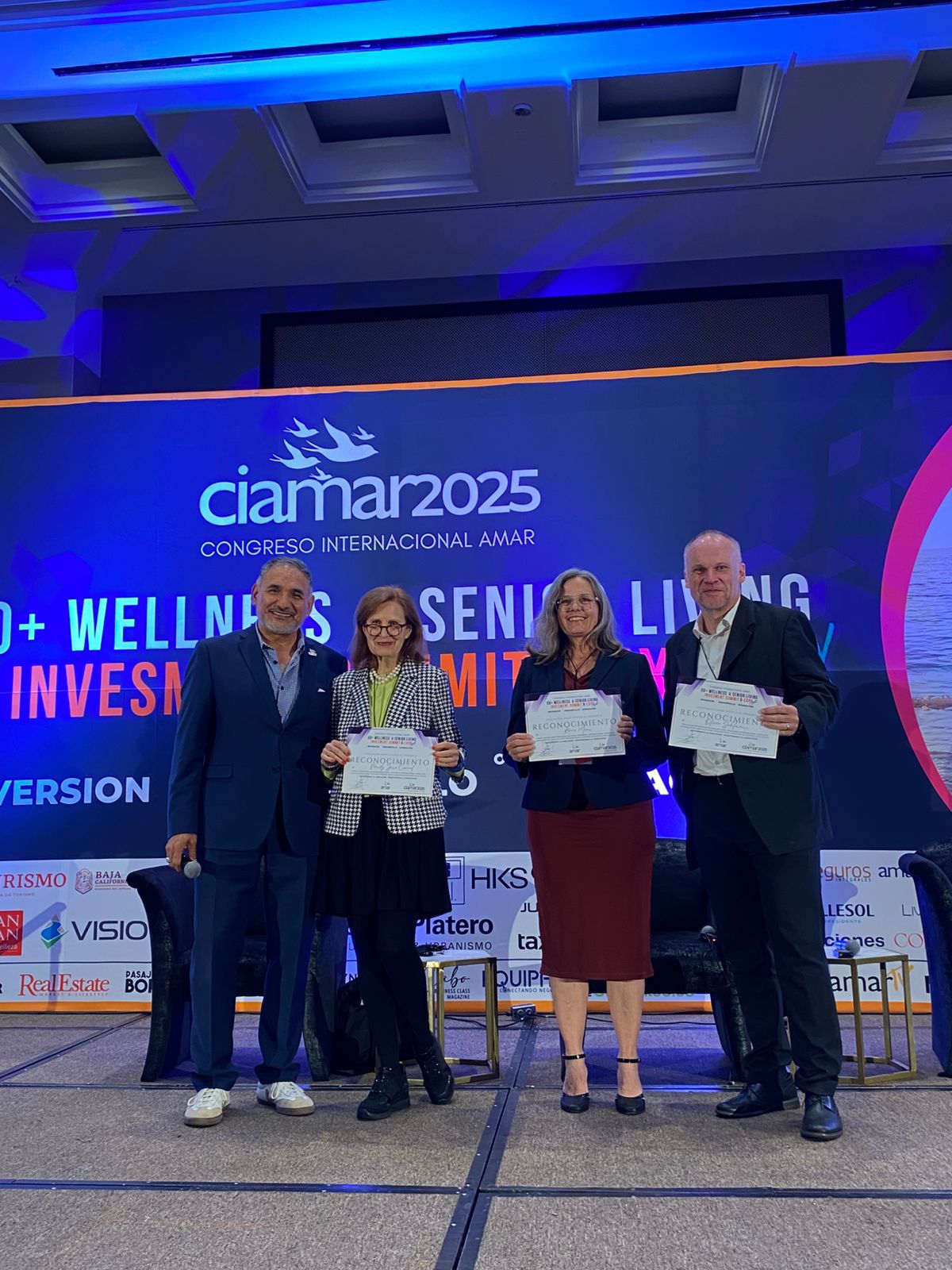
The “Bucket List” panel below with Javier Govi CIAMAR founder/producer, Wendy Jane Carrel, Kerri Moon, and Oliver Sahlmann
Three of us were invited to address the following question:
Who are the Americans, Canadians, and other foreigners considering Mexico for retirement and senior care?
We began our team presentation with a quick slide show of photos showing foreign residents in Mexico ages 60 to 100, couples and solo agers of diverse backgrounds (a growing number of Mexican Americans included), and those with diverse interests and preferences from no frills to resort-like settings.
Kerri Moon, an American entrepreneur who built one community at Lake Chapala and collaborated on the growth of the Namaste Community (another Lake Chapala expat community), pointed out, and we all agree, “the availability of caring workers who come from intergenerational households and are accustomed to respecting their elders could ensure superior staff-to-resident ratios giving Mexican senior housing a tremendous opportunity to succeed.”
Oliver Sahlmann, a business coach, former Volkswagen Mexico executive, and Mexico resident for 20+ years, shared about German retirees in Mexico. “They come mostly for the sun, and, in winter months.” He presented some charming cultural stories to give the audience a feeling for the German mindset.
The main points of my contribution were the diversity of ages, backgrounds, and interests, that no one plan fits all, and that most retirees from Canada and the U.S. prefer to Age in Place in communities with other expats. Fewer prefer living among locals but those who do often thrive.
The migration of Americans and Canadians to Mexico for retirement and senior care is not new, it has existed for decades. Numbers increased noticeably since 2008 (U.S. economic challenges), COVID, and as mentioned above – the realization that we are living longer and there may not be enough funds for retirement and healthcare. The U.S. does not have universal healthcare, Canada and Mexico do to varying degrees.
For older adults who have long-term care insurance and are independently wealthy healthcare is not an issue. But the reality is, even with U.S. Medicare, and continued rumors of cuts for Medicare and Medicare Advantage programs, some older adults are seeking alternatives and solutions in other U.S. states or other countries.
Here are some highlights from CIAMAR 2025 sharing pride of Mexico, sustainable projects, unique visions, plus mention of notable vendor/summit supporters:
Javier Govi invited attendees to invest in the future of senior living in Mexico and LatAm, invest in the concept of Near Retiring (bringing Americans and Canadians to Mexico), consider Pueblo Magicos for aging (see Reference section below for explanation of this government initiative for magical villages), and most of all offer dignity, quality of life, and exceptional healthcare. Govi is the author of Nearetiring: Baby Boomers, Snowbirds, and Summerbirds, a Great Opportunity for Mexico and Latin America in Spanish.
Mac Kroupensky – Mac is a thought leader who teaches corporations, companies, and government how to create innovative change and motivate people and teams. For 10 years he taught at IPADE, Mexico’s equivalent of the Harvard Business School or France’s INSEAD. “To be a great leader you must be a great human being,” is his motto.
Kroupensky has a super enthusiastic presence. He regaled the audience by asking them to imagine an ideal retirement place – a city of 150,000 with medical infrastructure, security, and new technology. He pointed to Sofia, Bulgaria’s thriving tech and arts scene, a city of old and new. Most of all, that perfect retirement place would offer the best of humanity, people who care. He then added, the Mexico/LatAm Senior Living Investment Summit would offer invaluable expertise and talent. He is right, it did.
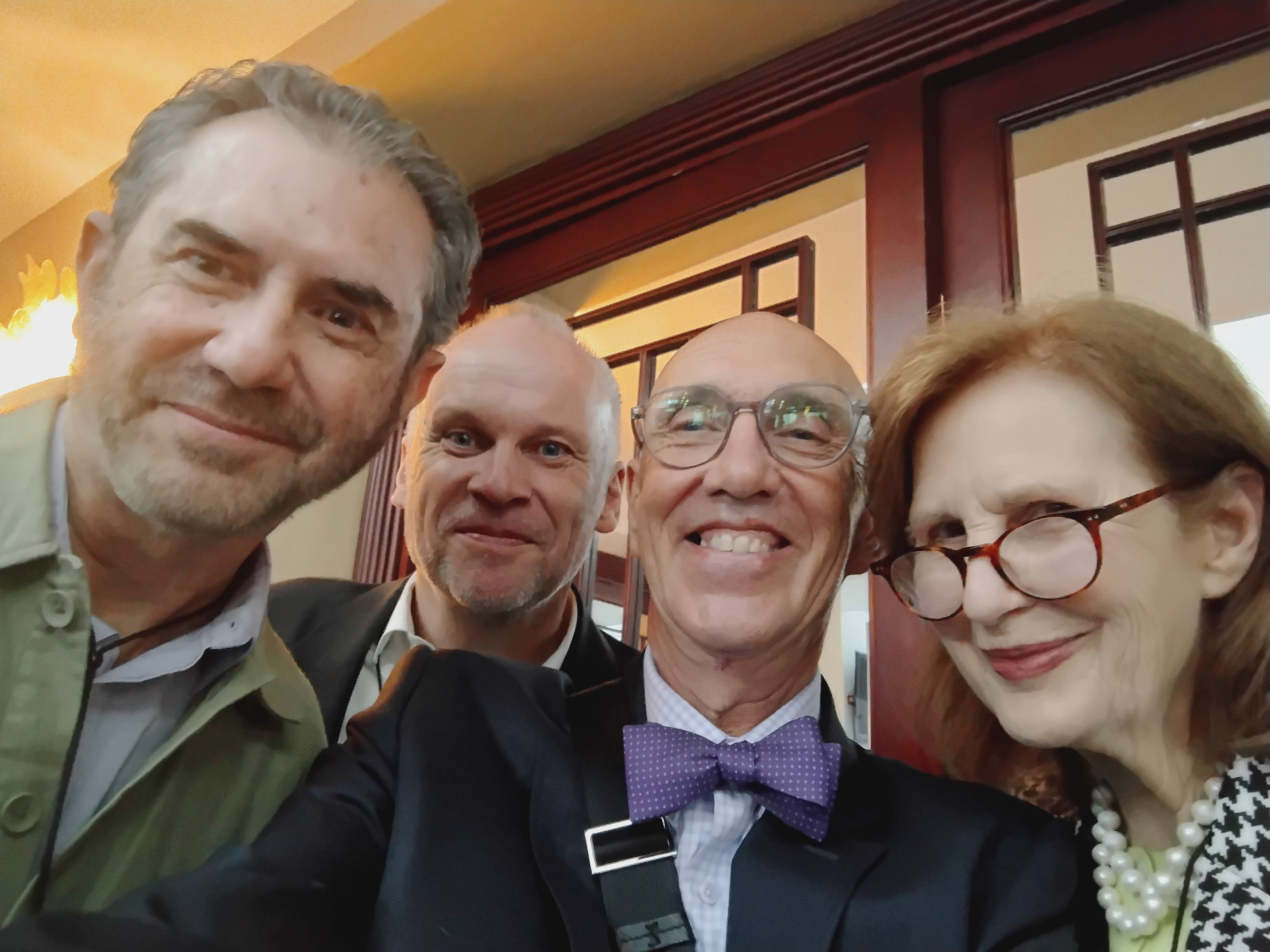
In the photo below: Rafael Garcia Turban international developer, Oliver Sahlmann, Mac Kroupensky, Wendy Jane Carrel at CIAMAR Mexico and LatAm Senior LIving Investment Summit 2025
Antonio Gonzalez-Quiros F. , Director of Ballesol Mexico, was the keynote speaker. Ballesol is a Spanish corporation that for 40 years has developed 55+ resorts, residential apartments, and assisted living. Ballesol has assisted living facilities in Queretaro and Mexico City. Note: Spaniards and Latin Americans investing in senior living have much in common – culture, language, law, and a familiar way of doing business.
Ernesto Oechlar former banker, former CEO of a family-owned senior living residence, advocate for holistic senior living, organic food, and positive mind set. He is currently a consultant for Neuro Change Solutions (NCS), a global network of corporate consultants trained by Dr. Joe Dispenza teaching how to apply the neuroscience of change to increase employee engagement, collaboration, and productivity for business results. Delightful to converse with him and with Mac Kroupensky about differences of perception within cultures.
Marta Parra, Co-Founder and Co-Director of Virai Arquitectura, Spain. She was one of the last speakers and I wish more attendees could have listened to her enlightened presentation about creating accessible spaces and person-centered memory care with the energy of light, located in nature, and more. She is a pioneer in neuroarchitecture and sustainability for hospitals and senior living residences in Spain, Africa, and Latin America. Her slides and presentation were excellent. For more information see https://www.virai.eu/
Architect Carlos Sanchez of www.gomezplatero.com was a pleasure to listen to and learn from. He studied architecture in Torino, Italy and has worked on senior living projects in Medellín, Colombia and in Uruguay.
Mario López is the founderof Taxáre. He is a real estate appraiser, consultant and enthusiastic investment project manager for real estate businesses. You can find him as “Mario El Valuador” on Instagram, Tik Tok and his podcast Un Express de Real Estate on You Tube @soymariolopez. He showed us drawings of an eye-catching urban city design for Tijuana intended for retirees and others – modern towers, gated, secure, flat and walkable, alongside the Pacific Ocean, with sustainable architecture, lots of gardens and amenities. If and when such a project is manifested, I can see folks with this concept as their aging in place vision filling it up fast. Based on my several due diligence visits to Tijuana, the city would benefit from a project such as this.
Juan Pablo Payró an Architect/Masterplanner/Designer/Developer shared about Agrihoods and Wellness Community projects in Queretaro, San Miguel de Allende, Holbox, Bacalar, and Los Cabos. He is a co-developer with Javier Govi’s Grupo AMAR. I contacted him to share photos or a website but have yet to receive a reply.
Salvador Rivas, an articulate, cultivated British-Mexican architect, has worked on prestigious international projects. His web site is www.srivasarchitects.com . I contacted him for information related to senior living projects but have yet to receive a reply.
There were many worthy presenters. Apologies to those not mentioned.
A special shout out to Jose Manuel Diez for his elegant, gracious energy as Master of Ceremonies and to the amazing AMAR and CIAMAR support team who produced this event.
Attendees I also appreciated meeting:
Juan Jose Perez Rifel shared with me an appealing project for Queretaro, one of my favorite Mexican cities. He is with www.st-austin.mx (see concept photos at the website). As I understand St. Austin owns the land. The first project is an eco-sustainable hospital which will serve as the property anchor with plans to expand to a medical district with doctor’s offices, a senior living residence (no precise details), a commercial center, gardens, and more. I am eager to see it when it is built.
Visiting from Lake Chapala was Jorge Garcia de Leon who is head of operations at Rancho Salud Village, see www.rancholasaludvillage.com or their Facebook page. His father-in-law owns the land in this eco-friendly, holistic, sustainable, multicultural, co-housing community of homes for Aging in Place. I have witnessed the growth over 11 years from two homes to a plan for 21 and eventually 30+ with pool, vegetable and herb gardens, and more. I am a fan of Jaime Navarro, his lady Sara, and their passion for healthy, independent living.
Roberto Madruga Avensa of Mexico City has “four legally clear parcels for development” for an Aging in Place/Wellness project in the Pueblo Magico (magical village) of Ixtapan de la Sal. The project is known as Reserva Reforma and there is no website yet. Sr Madruga envisions a completely flat, walkable community with local healthcare within five minutes, a hospital you would be flown to by air ambulance if needed, living spaces with doors, floors, and more following the 150 Residencial Universal Living Design standards. Sr. Madruga’s wife is a geriatrician. They have travelled to Italy, Spain, and Switzerland to look at senior care. The Reserva Reforma concept would appeal to American and Canadian couples and solo agers if and when such a project is built may be a few years from now. In any event, the vision is a match with many folks who wish to move to Mexico, Baby Boomers especially.
Alejandro del Rio of Leon, Mexico. Family property on many acres in nature with a villa, a large home, lots of green trees, brick walls. It has been or is being converted into a senior living residence. See https://www.plenityland.com/ for photos and contact information.
Nelly Vasquez Sanchez of Gravasa Immobiliaria in Puebla and Oaxaca is a real estate agent and a newbie to the senior living world. She shared with me she attended the conference because she wishes to learn how to provide for expat residents. She paid attention to each presentation. She was a joy to get to know as she represents a younger generation that has an interest in aging. https://www.facebook.com/igruvasa/?locale=en_GB
Mauricio de la Cerda, VP Growth for www.angela.care was at a vendor table sharing how to receive pills in a pill pack organized by day and time (breakfast, lunch, dinner), delivered to you at home. Angela Care works in collaboration with Amazon Pharmacy.
Vendor Roberto Sanchez of Gerflor.com, a French flooring company, shared my kind of waterproof, antimicrobial, soft to fall on, quiet, no glue, fast installation flooring. I wish this flooring was mandatory in Mexican residences as injuries from falls could be less severe. Most residences have slippery tile flooring. I also had a secret desire that the Marquis Reforma Hotel where the summit was held would remove its marble floors. We were there in rainy season!! Here is the GerflorUSA website: https://www.gerflorusa.com/
Where is the money?
With the talent I witnessed and all the possibilities shown on multimedia around the conference center (some visually inviting, stunning in fact), I was mystified. I wondered why so many worthy older adult projects presented at the summit have not been built.
What has prevented architects, developers and others from manifesting their visions?
If I had not been breathless and a bit under the weather, nor missed the presentation that may have explained more “Where is the Money?” I may have learned more. Kudos to CIAMAR for the discussion.
So, I canvassed Mexican speakers and attendees and asked if they would please share what they see as obstacles.
The answers included government bureaucracy (heard this several times, heard this the most), challenging local laws requiring 2-3 years for permission to build, issues with land permits, financing, construction, and “voluntad” or will power and motivation for investment in this sector.
There is a growing venture capital market in Mexico of local and international investors. Most of the capital is being invested in technology, especially fintech.
Many architects and developers in senior living are essentially like movie producers. They create an idea, develop it, and shop it from place to place for financing.
It requires remarkable resilience and will power to be a Mexican entrepreneur in the senior living sector.
CIAMAR 2026 will focus on technology in senior living.
Summary
The need for senior living – housing and care, especially affordable housing and care, is growing in all three North American nations – Canada, Mexico, and the U.S.
For several decades Mexico has been a destination for Americans and Canadians. Now, with dwindling retirement funds, healthcare plans that are not flexible, and overall rising costs for housing and healthcare, the opportunity for more development is evident.
Senior living south of the U.S. border may be a continuing retirement trend.
Growth is slow as developments are often stalled by government bureaucracy, land permit issues, the ability to raise capital, and more.
Some Mexican developers are focusing on generations age 50+, especially those who are active and fit, seeking affordable luxury and a wellness environment.
Wendy Jane Carrel is a trusted older adult advocate and consultant who has hands-on experience with healthcare systems, retirement options, senior living residences, and wellness programs in Mexico, Ecuador, and other countries. She provides informed, culturally sensitive transition guidance and curated options for families and elders moving to Latin America. Her website is http://www.WellnessShepherd.com
Statistics for burgeoning population growth in North America:
Canada – 7.6 million older adults representing 18.9% of the population according to Statistics Canada 2024. Statistics project seniors could make up 23% of the population by 2030 and nearly 26% by 2068
Mexico – 10.6 million adults over age 65 according to INEGI the Mexican Statistics Bureau, and Statistica.com. AARP International suggests older Mexican adults will represent 30% of the population by 2050 an increase of 277%.
USA – The number of Americans 65 and older is projected to increase from 58 million in 2022 to 82 million by 2050 (a 42% increase) according to a 2024 study by the Population Resources Bureau.
I am on my way to Mexico City to speak at a Senior Living Summit being held at the Hotel Marquis Reforma September 3-4, 2025 about the growing need to create evolved, affordable, holistic enclaves of well-being for older adults to age in place, age in community, and more, a subject on my mind since 2003.
Quick history:
In 2003, when serving as nighttime administrator and day time admissions and marketing officer at an exemplary (still is) memory care campus in Rancho Mirage, California, (thank you owner and mentor Floyd), the writing was on the wall.
Unless you are blessed with excellent health your entire life and have experienced no accidents, in the U.S. the cost of adequate long-term care at home or in a residence, could easily require up to $1 million per person with 2025 fees and pricing. With long-term care insurance at several hundred dollars a month, only 80% of costs would be covered.
This awakening was the impetus to look internationally for more affordable options with quality care and medical infrastructure. Mexico and Ecuador, by virtue of proximity, were places I conducted due diligence and developed hands-on experience with locals and expats, as well as other nations farther away.
Thankfully, as a trusted older adult advocate and consultant I have met like-minded souls on my path including Mexico’s Javier Govi, the « nearretiring » proselytizer and real estate entrepreneur behind CIAMAR’s 9th edition Wellness and Senior Living Summit for 50+ to 80.
About 100 to 150 persons are expected to attend the gathering gently modelled after NIC (National Investment Center conferences in the U.S. with 1500 to 3,000 participants).
The concept to develop and expand senior living options is growing in Latin America as the silver tsunami is not just an American/Canadian/European phenomenon, it is worldwide.
Attendees will be real estate developers, venture capitalists, architects, brokers, folks from the tourism industry, and senior living operators who will meet, greet, and assess future potential for collaboration.
I will be on the Bucket List panel with two others to talk about expats who migrate to Mexico and other countries in Latin America and what their expectations are.
If you are unable to access it, here is how my bio reads:
Wendy Jane Carrel
Founder, Wellness Shepherd
A trusted older adult advocate and consultant who has hands-on experience with healthcare systems, retirement options, senior living residences, and end-of-life options in Mexico, Ecuador, and other countries. She provides informed and thoughtful transition guidance and curated options for families and elders moving to Latin America.
Looking forward to this adventure!
I hope to report about the experience and my findings after the summit.
On November 2 the newspaper San Diego Union-Tribune hosted a free event that attracted a 50+ crowd interested in subjects related to aging. Main speakers were Patricia Schultz (author of 1000 Places to See Before You Die) and Captain Dale Dye, USMC retired (author, filmmaker) focused on veterans and others.
November 2, 2019
Most of the activity at the San Diego Convention Center was at booths. Among the participants offering information were AARP, Leading Age, healthcare service providers, a cancer awareness initiative group, estate planners, Medicare Advantage Plan insurers such as Humana and SCAN, retirement counselors, senior movers, senior living placement consultants, a sleep therapy advisor, and others.
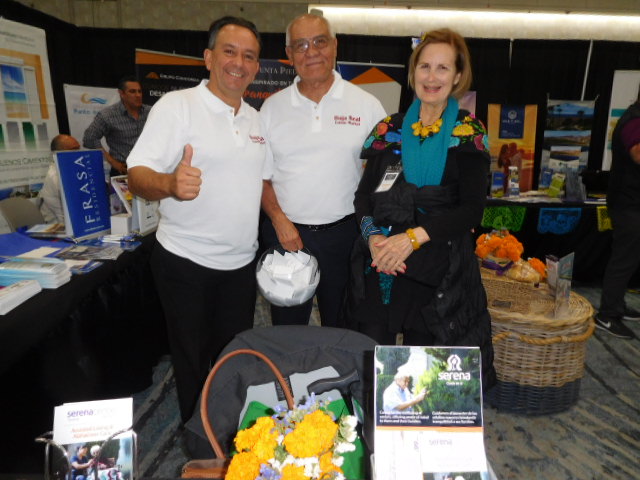
The highlight for me, related to some of my work as a senior placement consultant for Mexico, was to meet up with Miguel Angel Torres and Marisa Molina of Serena Senior Care in Baja California. I toured their Rosarito assisted living home last year and am eager to return to see their latest developments. I appreciate their dedication, enthusiasm, and focus on quality care. See www.serenacare.net plus links to videos found on their web site.
As an aside, Serena offers residents and visitors to Baja a Full Assistance Card for $99/year ($198 per couple). The Full Assistance Card offers ambulance services, roadside assistance, a 24-hour bi-lingual call center, discounts, and access to online medical records. Have not seen this service in action so am not in a position to comment on it. Information on this is at the web site listed above.
Miguel Angel Torres, one of his supporters, and Wendy Jane Carrel Assisted Living Consultant for Mexico at Serena Care booth
Corey Avala of www.RetireBaja55.com was also present to encourage folks to retire early and “affordably” to one of three developments he is involved with. Have not seen them.
Jane Garcia, a realtor from Dream Home Mexico was also there to espouse the benefits of retiring to Mexico.
One of the advantages of Baja California for assisted living and retirement, aside from the lower cost of living, is its close proximity to San Diego for health care through the Veteran’s Administration, and U.S. healthcare for American ex-pats who wish to return in case of need.
Many thanks for the warm reception by the San Diego Union-Tribune sponsor team! Many thanks to the San Diego Union-Tribune for producing the San DiegoEldercare Directory 2020 available in print at the expo, and also available on-line at http://www.sandiegoeldercare.com. The directory includes listings of independent living and long-term care throughout San Diego County.
Not long ago I addressed a group of Canadians and Americans at an Open Circle chat at the Lake Chapala Society in Ajijic, Mexico. Most of the attendees were full-time residents with the lay of the land, but curious newcomers attended as well.
The most meaningful part of the presentation? Introducing American and Mexican senior living owners to the audience. After the chat they were able to become acquainted with one another.
In the photo below, four Mexican registered nurse owners are represented. I am the person holding the microphone.
Senior Care Specialist Wendy Jane Carrel introduces owners of Senior Homes at Lake Chapala to Americans and Canadians
If you cannot afford healthcare or retirement in Canada or the U.S., what are your options? Where do you look?
For the last five decades, and especially since the U.S. economic challenges that became apparent in 2007-2008, retirees have been choosing destinations in Asia, Europe, and Latin America.
Despite news about crime and drug cartels, Mexico reigns as the number one choice for most American and Canadians, primarily because of its lower costs, warmer weather, health care choices, and location so close to home.
According to U.S. Consulates in Mexico there is a current count of between 1.2 – 1.4 million Americans living in Baja California, Cancun, Lake Chapala, Mazatlan, Puerto Vallarta, San Miguel Allende, and other areas. (The number also includes Americans who are not retired). According to the Canadian Consulate in Guadalajara and the Canadians Abroad Registry, approximately 10,000 Canadians are registered in high season and 1,500 are registered as retired full time in Mexico. Not all Canadians register.
Choices for senior living in Mexico are not all that dissimilar to those in Canada and the U.S.:
Aging in Place – independent living in your own home or apartment
Aging in Community – co-housing
Assisted Living – if you require care and cannot afford full-time care at home
Nursing Care and Rehabilitation
Lake Chapala
Currently, at Lake Chapala, Mexico there are in the neighborhood of 20,000 retired Americans and Canadians.
North shore Lake Chapala, which includes the communities of Ajijic, Chapala, Jocotepec, San Antonio, and San Juan Cosala (40 minutes drive time from one end of north shore to the other), has several options for senior living with others being planned.
What is different from Canada and the U.S. is the cost of living, especially for health care, often up to two-thirds less.
What is also different is that there are no Life Planning (continuing care) models at Lake Chapala. A project was planned three years ago and has yet to be built. There is one, however, that will open in Mexico City sometime this fall.
Another difference is that in Canada and the U.S. Alzheimer’s and dementia patients are in separate areas on a campus. In most of Mexico, dementia patients are living and sharing the same space with older adults who have mobility issues, not dementia issues, and the care is rarely specialized.
Mexican senior homes are under the purview of the Ministry of Public Health and local fire departments. They are not tightly regulated and inspected as they are in Canada and the U.S.
What is available at Lake Chapala now?
Three co-housing/independent living options – one in Ajijic with three individual apartments and five casitas, a pool, lakeside views, and two meals a day; one in Riberas del Pilar on two levels where residents have their own apartment, are provided with two meals a day, and have access to a library, a gym, and a pool; and one in San Juan Cosala, focusing on health, green living, and sustainability.
At the first two if you become immobile or develop serious health issues you would need to move. At the property in San Juan Cosala (in development) you can invite caregivers to your living quarters.
Three assisted living homes specializing in Alzheimer’s and dementia care – one is run by a geriatrician and a nurse, the other two by nurses with doctors on call. One of these homes plans to add a second home in the near future for a total of four dedicated Alzheimer’s care homes at the lake to meet the growing need.
Six homes combine assisted living, nursing and some rehabilitation.
That number climbs to seven if you include two rooms above the offices of a physician in Ajijic (no rehab), and 9 if you include one owner who has three homes (no rehab).
It climbs to 10 choices with an American-owned recovery care center for plastic surgery (more like a B & B) where you can also rent suites. The recovery center has been in existence for almost 20 years.
The total number of choices reaches 11 if you include a low-income senior home in Chapala which also has Mexican residents.
Four properties have owners who live on site. These properties are either American- or Canadian-owned, or, owned by English-speaking Mexicans who focus on serving the expat community. There usually is one person who speaks English at the senior living options at Lake Chapala.
The above-mentioned places are private pay. Monthly costs for private pay assisted living at Lake Chapala range between $1,000 and $2,000 U.S. per month except for the home in Chapala. (The average U.S. private pay is $3200-$3500, and up to $12,000/month or more for Alzheimer’s care).
Most care homes at the lake have 12 or fewer residents. Service is considered personalized. In many instances there is the quality of “carino,” caregivers treating you like a lovable member of the family.
There are 125 senior living homes in the state of Jalisco, housing 1,723 elders. These numbers include only Mexican citizens. Not included are Americans and Canadians at Lake Chapala or in Puerto Vallarta. There are approximately 758,000 older adults in Jalisco state.
In Guadalajara, an hour from Lake Chapala, there are three models of senior care – private pay, non-profit care primarily with nuns (usually excellent quality), and government care (usually DIF, a social services entity that exists throughout Mexico). Prices range from gratis for the indigent to around $400-$800 U.S. for those with pensions, and up to $3500 U.S. for private pay.
Note: I have met Americans with incomes of $600 or less/month who are living comfortably and safely in Mexican assisted living homes throughout the country.
AMAR, the Mexican Association of Retirement Communities (Asociacion Mexicana de Asistencia en el Retiro), is hosting AMAR’s International Convention 2014 at Rosarita Beach Hotel, Rosarita Beach, Baja California, October 23-25, for North American and Mexican senior housing industry professionals and the public. Rosarito Beach is 20 miles south of San Diego, CA in Mexico.
The event focus, part of a continuing dialogue, is how to attract a portion of North American Baby Boomers over the coming years to senior-friendly, affordable destinations in Mexico with ideal weather, health services, infrastructure, and proximity to the U.S. It is anticipated that of 100 million boomers in Canada and the U.S., 4 million will consider living in Mexico. According to Internet statistics, there are currently 1,400,000 to 1,600,000 U.S. citizens living in Mexico, not all retirees.
Experienced Canadian and U.S. senior living developers, operators, and executives will meet to discuss collaboration possibilities with Mexican developers and investors.
Among the 22 scheduled speakers are Americans Martin Lakatos, VP and developer for California based Front Porch Development Company; Patricia Will, CEO of Belmont Village Senior Living (23 Assisted Living properties across the U.S. and one in development in Mexico City); and Matthew J. Downs of the Center for Medicare Portability. Javier Govi, Founder & CEO of AMAR; Ignacio Bernal of FONATUR (a Mexican government entity which plans and develops top tourist destinations); and Rodrigo Contreras Mejia of PROMEXICO (a Mexican government trust for international trade and investment) will be among the speakers from Mexico.
Subjects will include elements for successful operation of CCRC’s, active senior living, and Alzheimer’s and dementia care with holistic/wellness-based concepts, eco-friendly LEED-certified construction, universal design, and health information technology. Topics will also include the state of MOM and POP projects, aging in place communities where services come to you, and Medicare in Mexico. (Medicare is not yet accessible outside the U.S. unless under rare circumstances. American seniors can purchase Medigap emergency plans C, D, F, G, M, or N with a $250 deductible).
Lic. Javier Govi, Founder & CEO AMAR
When asked about the current state of senior living and its future in Mexico, AMAR’s Javier Govi stated, “We currently cater to the mom and pop market, the parents of baby boomers. We are simultaneously transitioning to meet the needs of boomers who have begun to retire. We have spent years studying this market, looking at the history, and visualizing the future. The important components for boomers will be wellness, fitness, and a holistic approach.”
An adjunct part of the event is the 50+ Expo and Workshops for Healthy Living where the public can learn about senior living options in Mexico.
AMAR Friends Foundation, which helps retirees find independent or assisted living in Mexico, is sponsoring the 50+ Expo. Seminars are designed “to answer questions from banking to moving belongings, and what is involved in obtaining a residential visa,” added Govi. The expo also includes product displays and music. The foundation will soon be providing social service projects for poor elderly Mexicans through its North American volunteers. See http://www.amarfriends.org.
AMAR, founded in 2007, is the first national Mexican non-profit organization committed to educate and collaborate with Mexican government regulatory agencies and business executives in Mexico and North America on the potential of the senior housing industry in Mexico.