We live in an aging universe, a universe where older adults live longer than ever before and the need for care is growing.
For centuries we have protected and provided for loved ones from cradle to grave. These acts of reverence, respect, and love still exist and are seen in traditions around the world.
But modern life has shifted from relative stability to burden for many – out-of-the-blue expensive healthcare conditions, a growing number of older adults with chronic diseases/co-morbidities requiring long-term care, fewer folks to work as caregivers, multiple stressors for families overwhelmed with work and caregiving, financial loss, climate change, pandemics, war, forced migration.
Sadly, the reality of aging in the U.S. if you are not independently wealthy requires extra effort, planning, and sacrifice. No matter how much exercise, living with a positive attitude, and attention to healthful lifestyles, you may find yourself with difficult choices due to an unanticipated surprise – do you adjust where you are or imagine alternatives? Staying home is understandably preferable.
Older adults around the globe prefer to Age in Place and make their end-of-life transitions in a community they know and love. Quality of life that is comfortable and familiar is the main objective. This is generally translated to, NOT in a foreign country or anywhere else.
If you have exhausted all avenues of community support at home or in adjacent counties, states, or provinces, and realize care may not be affordable or you may outlive your funds, what are your choices? What if you are a solo ager with no family, spouse, or fallback? What if you must continue to work to support a family and are uncomfortable with the idea of sending mom or dad away for care?
Choosing to move could be a disheartening task. It is a leap into the unknown, no matter how adventurous one is.
One option is to seek care in another country.
There are seven continents on our planet. All but one (Antarctica) provide a form of care for older adults. From Albania to Samoa, unless loved ones are cared for by family, there are in-home support services or residences offering various forms of independent living, assisted living, memory care, nursing care, and/or end-of-life support.
According to Grand View Research, “the global long-term care market size was valued at USD 1.11 trillion in 2023 and is expected to grow at a compound annual growth rate (CAGR) of 6.68% from 2024 to 2030.”
The area with the largest anticipated growth is memory care. Alzheimer’s Disease International reports there are more than 44 million Alzheimer’s patients globally. The number is expected to triple to 135 million by 2050. “If ‘dementia’ was a country it would be the world’s 17th largest economy.” Costs for memory care are exorbitant, especially if the anticipated lifetime of care is 12 years or more.
How do you choose where to go?
Somewhere around 2003 it became evident to me as a person dedicated to older adult healthcare that the future for American boomers, Gen-Xers, Millenials, and their parents would be affected by the rising cost of aging care. With the benefit of a lifetime of travel, foreign study, and work on five continents, it became apparent Americans might begin to seek care in another state or abroad if they could not afford the cost of care at home.
In the last 15 years I have witnessed and assisted more and more Americans, as well as Canadians and some Europeans take a leap of faith and choose south of the U.S. border for retirement and care for reasons of proximity (not for Europeans), weather, cost, and a reputation for thoughtful providers.
According to Lottie, a UK research organization and placement advisor, the best countries for senior care named in order are Norway, Sweden, Switzerland, Germany, Canada, and the U.S. You would need to have residency, be a national, or have funds to pay for care. Factors included in the study were pensions, healthcare systems, care services (assisted living, nursing), social support, and government grants.
The best countries for senior care by continent named by Lottie are:
Africa – South Africa
Asia – Taiwan
Europe – France
Oceania – Australia
North and Central America – Mexico
South America – Ecuador
The Lottie report did not include parameters for the above assessment. France as the best in Europe contradicts the previous Lottie report that Norway leads in senior care.
The below review is based on my research and experience.
What countries do Americans and other nationalities consider for retirement and senior care if looking internationally?
Americans and Canadians favor the Caribbean or Mexico by virtue of proximity, and often for weather. Other places in Latin America are considered, mainly Costa Rica, Ecuador, and Panama. In the last 15 years, the Philippines and Thailand have also been chosen based on cost, weather, and a reputation for attentive care. Malaysia, a new face of senior care in Asia since legislation in 2018, attracts some Americans but mostly Australians, Brits, and folks from other Asian nations. Ireland is sometimes considered when qualifying for Irish citizenship or residency. If you are an EU citizen, you have certain residency rights in Ireland.

If you have the blessing of universal healthcare (Americans do not) and are a national in Norway or Sweden, you are cared for from birth to burial no matter the level of care you require. Norway, as mentioned above, is considered the best country for older adults by virtue of its healthcare system and life expectancy. I can attest to Sweden based on attending graduate school in Stockholm and experiencing the healthcare system.
If you live in the UK, Portugal or Greece look like warmer options by virtue of proximity and favorable tax breaks, but the situation may be more of a challenge post-Brexit depending on your financial status and language considerations. Many American older adults are finding their way to Portugal, and to Greece if they have Greek heritage. Brits as we know have considered India for retirement and medical care (shades of the film about middle class retirees in The Best Exotic Marigold Hotel), or a British base in the Caribbean.
Since the end of the 19th Century Italians (and some French) looking for affordable options have been traveling to Tunisia, not so far from home. Historically, Tunisia was a Roman imperial colony. Vibrant Italian colonies are found in Tunis, Bizerte, and Sfax. On a recent trip to Italy, I learned some Italians are now traveling to Croatia for lower costs, which is interesting as several “badante” or caregivers in Italy are from Croatia. Here is the post about aging in Italy a favored country for retirement, healthcare, and senior care by Americans of Italian descent and others:
In the Arab world, Kuwait, Oman, and Zanzibar (on the Trucial Coast of Africa but formerly the Sultanate of Oman and an important Arab trading center), countries I know, taking care of your elders is a religious and traditional obligation. Home health caregivers and nurses are de rigueur. There are now palliative care and hospice services.
What countries have dignified elder care at a price point less than that of the U.S.?
As of 2024 more affordable price points may be found in Costa Rica, Cuba (not an option for U.S. citizens), some Caribbean nations, Ecuador, India, Mexico, Panama, the Philippines, and Thailand. Note: prices for care are rising worldwide.
In every country of the world there is quality, supportive elder care and there is sub-standard, disengaged “care”.
Quick overview of points to ponder:
Determine country. Easiest to do when you have travelled to far flung places before. Be advised that dream vacations are not the same as living long periods of time in a new place. A preliminary, exploratory trip is always recommended. In expat destinations there are often introductory seminars for how to navigate the place you have chosen. If your heritage is Irish, Italian, Polish, or other, and you qualify for residency and a second passport, countries of heritage may be in mind.
Healthcare beyond in-home care and assisted living. Access to physicians, hospitals. Learn how the healthcare system works in the country that beckons you. Medical care may cost less and yet be of similar quality or better. Vet your medical team as you would in your own country. What is the role of the assisted living residence if any? Is the residence hands on or does it expect family members to participate in your hospital and rehab care from a distance? If you are a solo ager, consider locating a healthcare coordinator/advocate to keep an eye on your care. Review factors that affect health – weather, elevation, pollution, availability of fresh water and food. Will you be in a flat place safe from falls? What is the standard of care?
Residency requirements. Every country provides information on how to qualify for and achieve residency. Will you be able to live there in the future on your income as prices rise? Embassy and consulate websites plus expat forums on-line provide guidance for navigating residency. Expect a lot of effort on your part. If you do not speak the language, consider hiring a facilitator.
Consider the distance and cost of travel, keeping in mind cost to return home should life change. The longer the distance the harder it is to travel with elder loved ones. Will family be able to visit? On a recent Viva Aerobus flight between Los Angeles and Guadalajara a precious senior in obvious pain was traveling with her mindful son. The flight was three hours. The son held her close. She never complained but you could feel it was not easy.
Corporate or Home-Like Environments. What would be the most compatible environment and style for you or your loved one? What is the owner/administrator’s philosophy of care? Do they have a mission to care for elders? Is income the only objective? Will the residence remain in existence for the life of the resident? Search the Internet and AI. You will read about places, mostly those that are corporate, and not necessarily discover smaller places with no budget for outreach. Consider smaller places, some are gems.
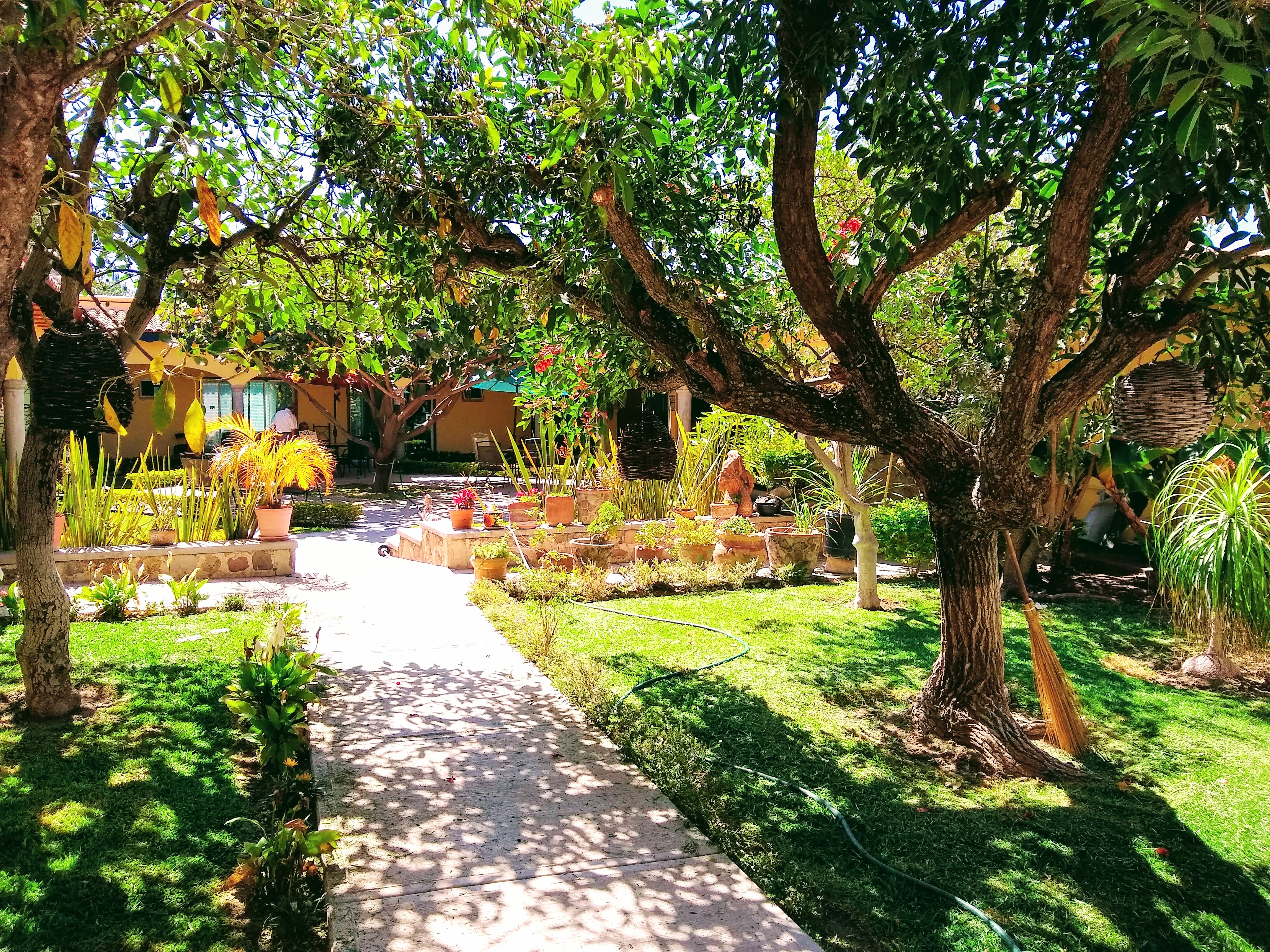
Consider family moves. I have had the privilege of assisting families who moved with their loved ones. The sons and daughters work digitally and visit mom or dad. For those who are unable to move with loved ones, most homes provide Face Time, Google Meets, or Zoom visits.
Safety and happiness. Is the residence secure? How will the residence assist with the transition? Any move is stressful, especially for older adults. It takes three to six months to adapt to a new environment. Not everyone transitions well, some not at all. In my experience, a well-traveled person who has an affinity for adventure or a certain culture, has as easier time. If the loved one has dementia, places in nature with gardens, room to walk, the energy of light, and a high level of activity and engagement encourage positive outcomes. What will the level of socialization be? Are there other expats who would be compatible company? Some expat havens and faith communities have volunteers, usually retirees, who visit homes and keep track of brethren. Is the food fresh, does the home offer diets suitable for diabetes or other illnesses? What are the standards of care? How is staff trained, how many staff per resident?
Quality of life and engagement lead to comfort, better health, and general contentedness.
Local culture. How are older adults viewed by the society and government? Is English a second language and is there experienced, trained staff who speak some English? Will you or your loved one be comfortable living among locals or being examined by a doctor who may not speak English? What is the country like compared to what is familiar to you? What might be missing? Some countries group residents who only have physical disabilities with those who have dementia.
Palliative care and hospice. Will the residence and local doctors accept and respect your wishes? What are local procedures/traditions for treating pain? How is end of life treated? Is there 24/7 attention and vigiling? If you feel close to death, will you be able to return to your home country to die if that is your wish?
Expat forums. There are innumerable expat forums on the Internet, some offer basic guidance about what to expect in the country of choice. Be advised, however, that even with good intentions, information may contain other cultural biases and not necessarily be in alignment with your personal needs, perceptions, and standards.
Summary:
If aging and healthcare options at home become limited, or you realize you may outlive your funds, one option is to look abroad.
Seeking eldercare beyond your own borders is a daunting task and may feel painful. If you have had the privilege of international travel, languages, and on-the-ground experiences that provide you with a level of psychological as well as financial safety and comfort, you may do well. There are also many who have chosen care abroad, never travelled far before, who end up feeling pampered and content. Choosing care near an expat retirement community may bring peace of mind and could provide back-up support and socialization.
Exploring and planning ahead make a difference in your outcomes.
Mission based care (not meant to be interpreted as religious) in smaller residences is often appealing, especially when administrators and staff demonstrate compassionate care daily. Large corporate facilities often require an extra layer of vigilance on the part of families in all countries, so providing an advocate/weekly visitor is helpful if affordable.
There is no perfect place, but there is excellent care to be found in every country.
Research well, make lists, assess your needs, and locate a place that aligns with your preferences.
Abundant blessings for whatever journey you or your loved ones choose.
© Wendy Jane Carrel, 2024
Wendy Jane Carrel, MA, is an older adult health care advocate, advisor, and consultant from California. She has conducted due diligence for senior living and retirement on five continents and is passionate about supporting families and their elders with solutions. She provides informed, attentive, compassionate guidance and curated options for Ecuador, Mexico, and other destinations both domestic and abroad. She is a speaker and published author on subjects related to older adult well-being. Wendy’s web site is https://www.WellnessShepherd.com
Resources:
Long-Term Care Market Size, Share & Growth Report, 2030 (grandviewresearch.com)
https://www.alzint.org/about/dementia-facts-figures
https://lottie.org/care-guides/which-country-has-the-best-elderly-care/
Best Countries for Seniors & End-of-Life Care
https://www.youtube.com/watch?v=l4vUGKcASUU PBS program How Long-Term Care is Burdening Middle Class Americans
https://myhometouch.com/articles/caring-for-an-elderly-parent-from-abroad – wise advice for sons and daughters of parents who live abroad
https://ceoworld.biz/2024/04/08/worlds-best-and-worst-countries-for-older-people-to-live-in-2024/



















 Wellness Shepherd