If you split your time between two distinct cultures as I do—navigating the vibrant expat (foreign resident) enclaves of Mexico and Ecuador or walking the progressive, urban streets of West Hollywood and Los Angeles County—you eventually see patterns in how we choose to grow older.
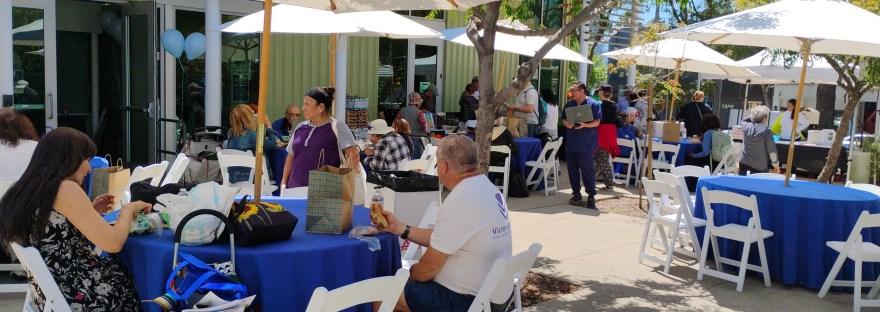
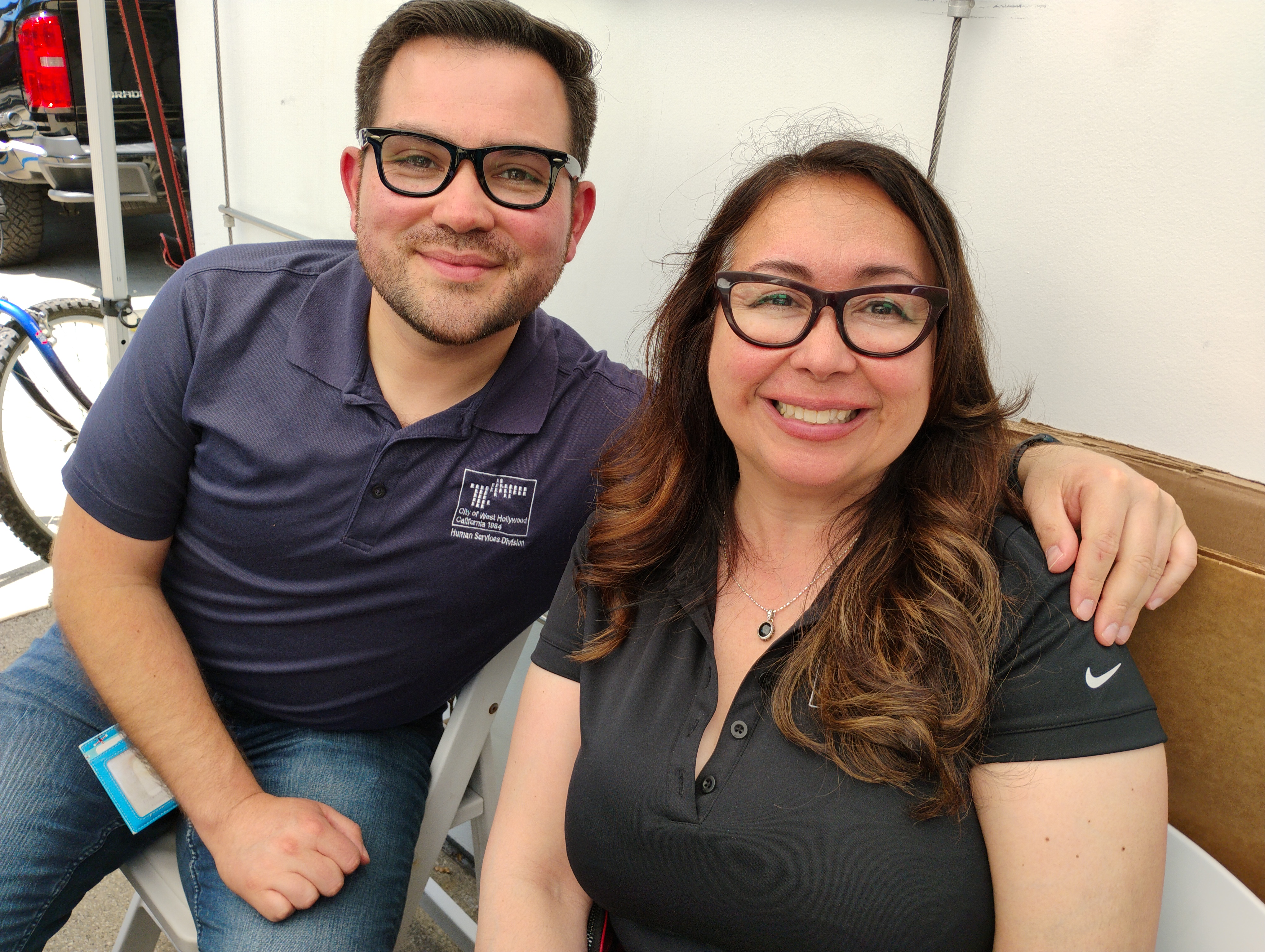
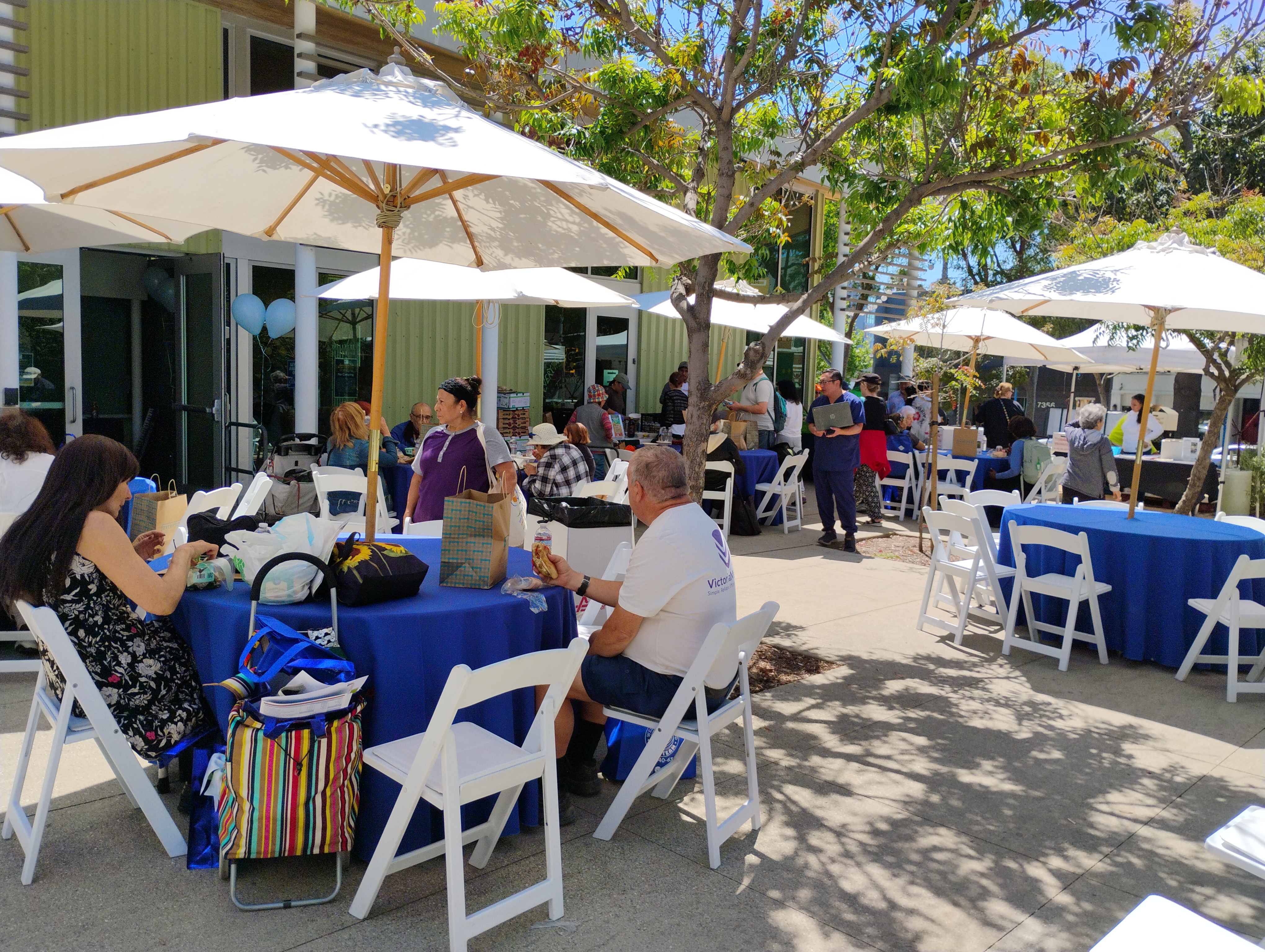
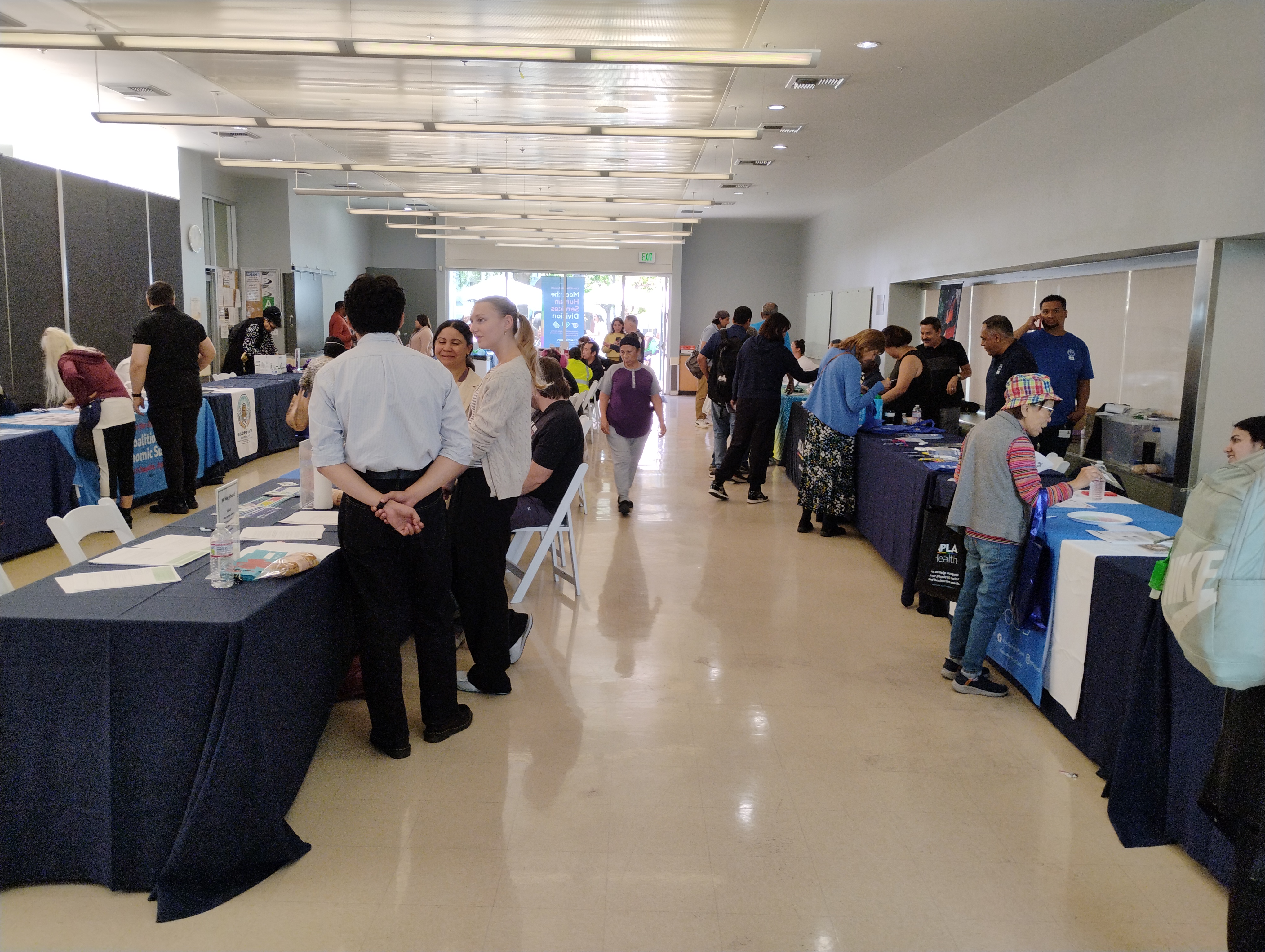
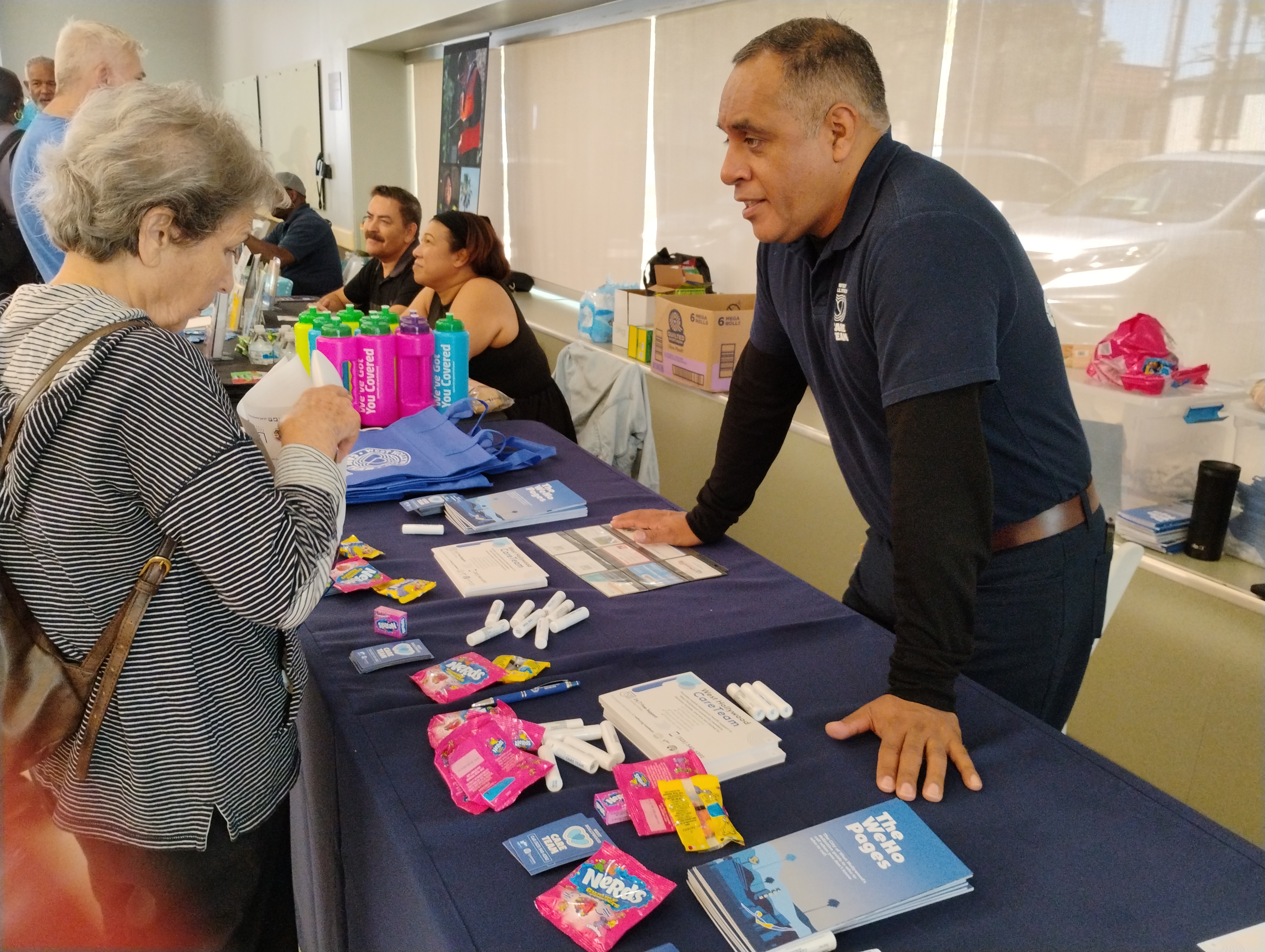
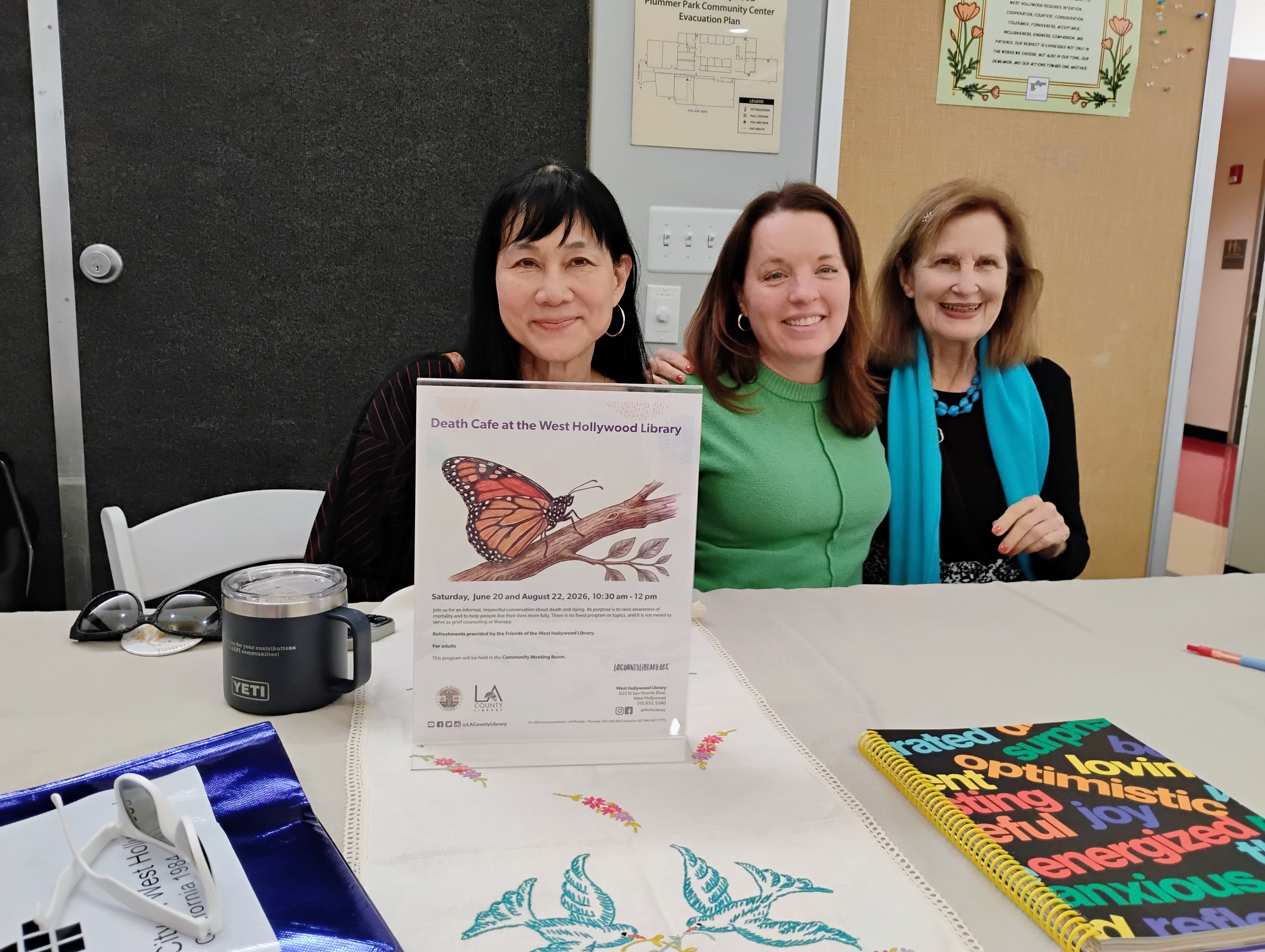
West Hollywood is deeply invested in its formalized, city-backed Aging in Place initiative. Meanwhile, expat communities abroad rely on an organic, fast-moving patchwork of WhatsApp groups, neighborhood advocates, trusted local friends, faith-based communities, and expat founded non-profits.
Despite structural differences, both models share a remarkably similar blueprint. They offer community-based volunteer support for daily living and emergencies and serve as collaborations that act as vital hubs for social care navigation. As these models evolve organically, they offer solutions for everyone—especially retirees, couples, and solo agers who choose to balance continued work with community volunteering.
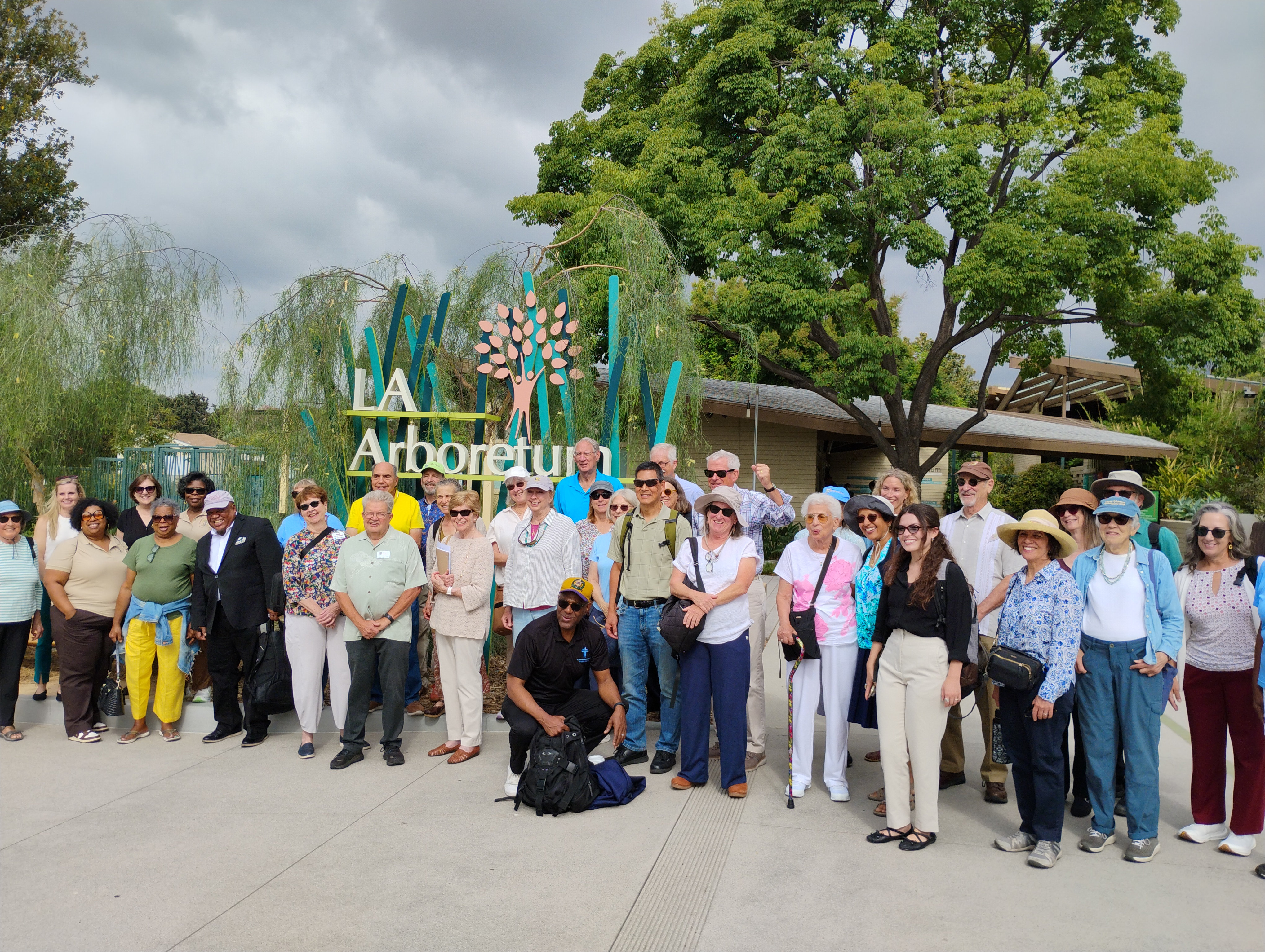
A powerful “aha!” moment of these worlds arrived in mid-September when I attended the Village Movement California Conference held at the Los Angeles Arboretum in Arcadia. Attended by about 200 innovators from across the state, the gathering underscored the profound strengths—and critical evolving edges—of these networks.
A group of 40 conference attendees in front of LA Arboretum before an early morning tour in photo below:
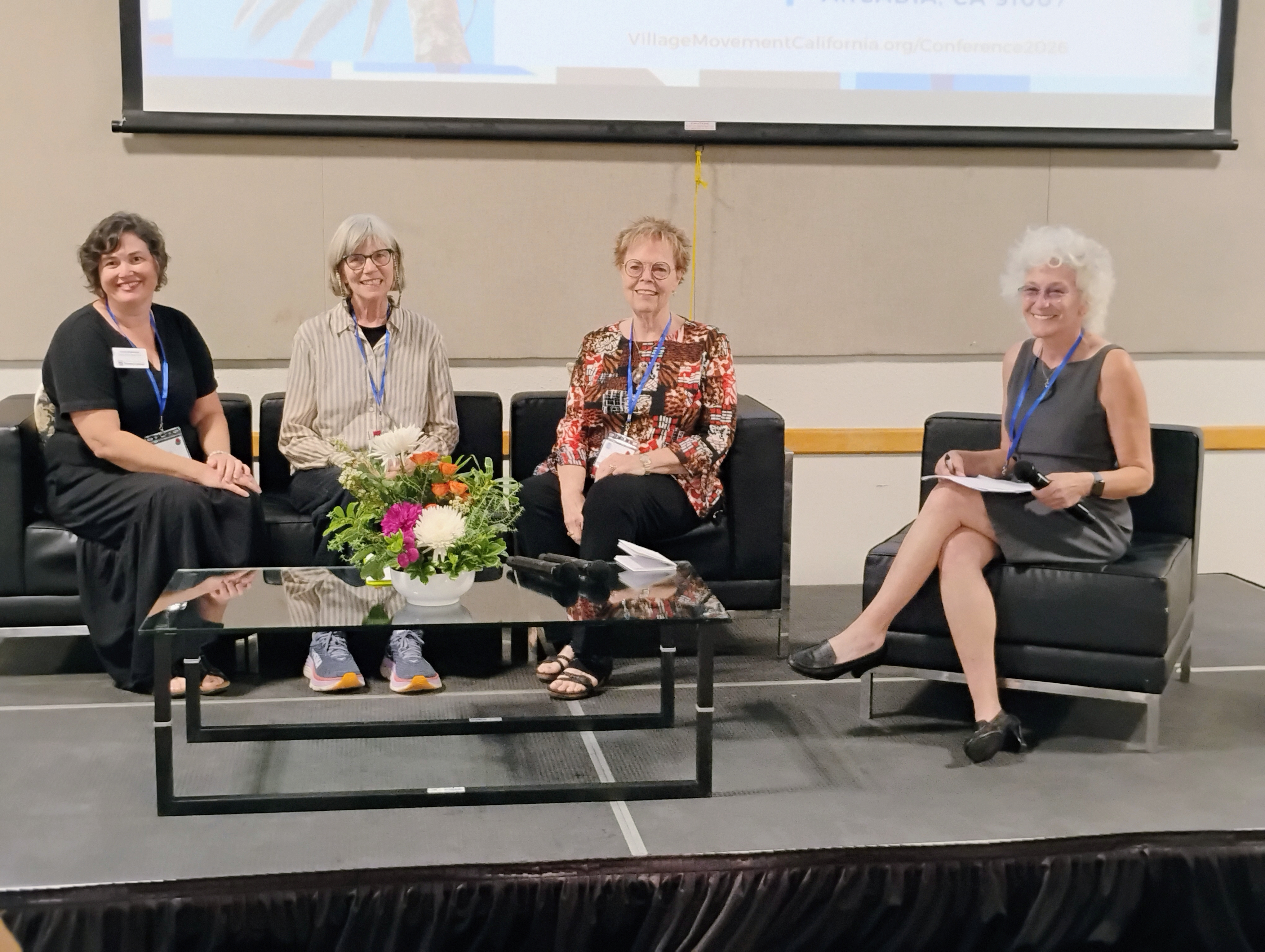
A primary highlight was the panel, “Disaster Resilience: Preparing Older Adults and Building Organizational Capacity to Respond.” During this session, Lauren Meister, Director of Operations at Emergency Network Los Angeles and a West Hollywood City Council member, interviewed leaders from Pasadena Village, Kern River Valley Village, and the Village of Santa Cruz County. Their experiences proved how California Villages are deeply resilient. The exchange highlighted how they supported their members, mostly older adults in both urban and rural locations—and how neighboring villages stepped up to assist them—during devastating state fires.
The takeaway: When natural disasters strike, older adults consistently bear a disproportionate burden of the crisis, facing heightened vulnerabilities due to limited mobility, medical dependencies, and fragmented support systems. Fortunately, these villages and their networks saved lives.
The photo below from left to right features: Katie Brandon, Executive Director of Pasadena Village; Mary Howe, Board Chair of Village Santa Cruz County; Karen Northcutt, Executive Director of Kern River Valley Senior Citizens, Inc.; moderator Lauren Meister, director of Operations at Emergency Network Los Angeles (ENLA).
This agile, neighbor-to-neighbor resilience isn’t just a U.S. phenomenon; it is also how Mexico and Ecuador expat enclaves operate every day. Rather than relying on institutional frameworks, these communities rely on each other to a handle emergencies in real time.
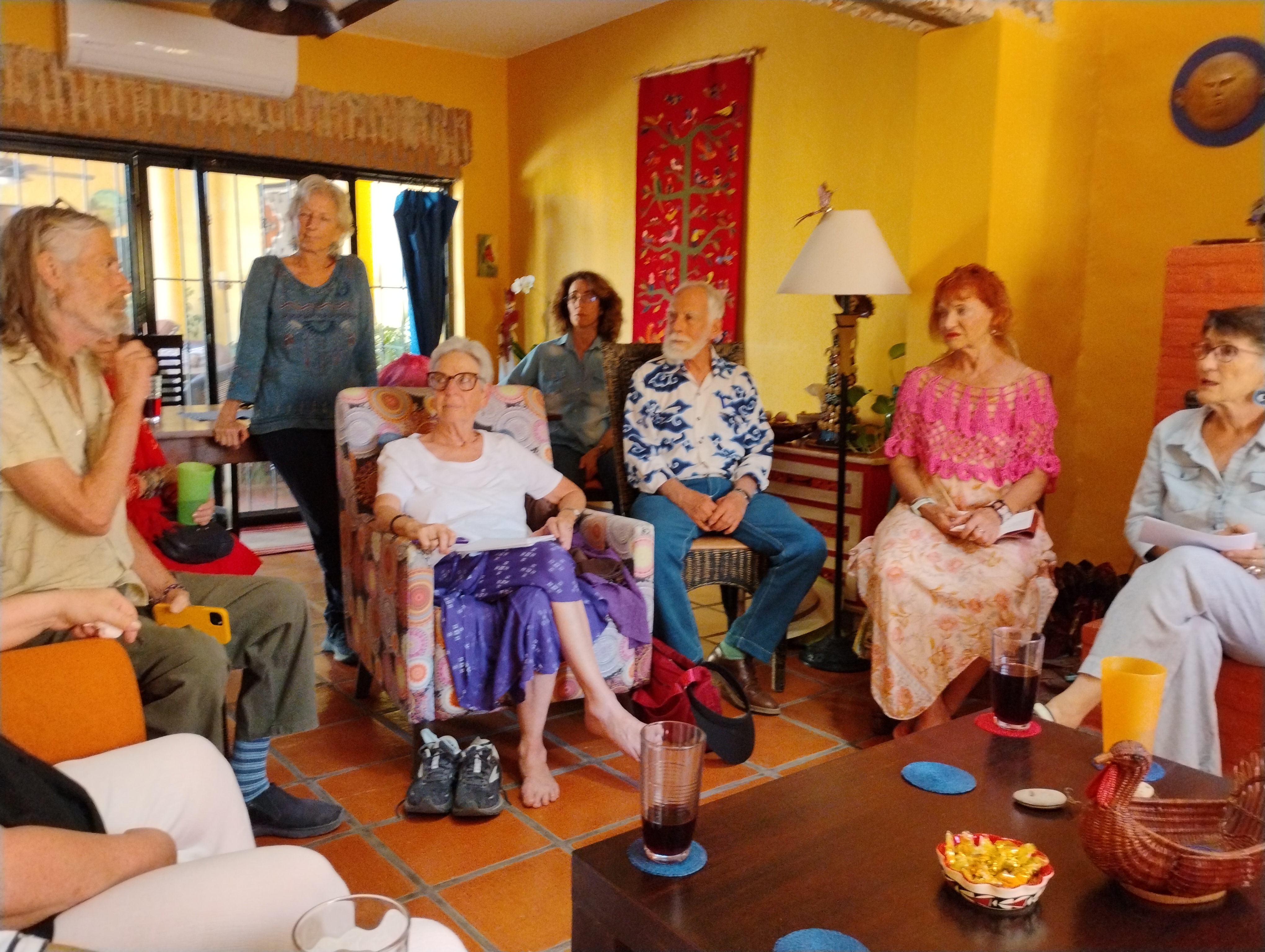
A well-thought out, emerging example is the Lake Chapala End-of-Life Care Community in Jalisco, Mexico, a new grassroots group created specifically to support English-speaking neighbors through life’s final chapter. The organizers are end-of-life doula and yoga master Doug Reid, and death educator, gerontologist, and death doula Loretta Downs.
As a member of this group, I witness firsthand how our real-time WhatsApp network coordinates care the moment a neighbor needs support. This mission is deeply personal. For a decade before the group took shape, I volunteered with the only 24/7 palliative care hospital in Guadalajara as a dedicated liaison, educator, and end-of-life doula.
Lake Chapala End-of-Life Care Community provides much needed support. By blending individual experience with collective technology, members offer vital non-medical assistance, emergency planning, and emotional support to ensure no one will navigate a crisis alone. See https://lakechapalaendoflifecare.org/
In the photo below are Doug Reid to the far left and Loretta Downs on the far right. The core group consists of almost 30 members.
In the northern state of Sonora, Mexico another group of expats have created a unique care community with effective solutions worth reading about. Their story is here: https://wellnessshepherd.com/2026/05/31/the-solidarity-prescription-how-expats-navigate-healthcare-and-emergencies-in-southern-sonora-mexico/
In Cuenca, Ecuador, high in the Andes, Canadian Eleanor Bentley served as a beacon of care and community. Her legacy lives on in the lives she protected. For more than a dozen years, she dedicated herself to the well-being of others, bringing together foreign retirees from around the world through In Case of Emergency Cuenca to ensure no one ever faced a healthcare crisis alone. When she passed away two years ago in her beautiful Paute villa, she was surrounded by her loving family and the community she had so valiantly protected. Her final spoken words of peace became the ultimate tribute to her life’s work—leaving a lasting comfort that touched everyone present, even those listening tenderly over the phone as I did.
Eleanor’s care model extended to everyone in the community. It is currently being carried forth in different ways by the Cuenca Care Foundation, the International Christian Community (for many years retired hospice nurse Katy Johnson has quietly been a lead angel), and the Living and Aging Abroad group pioneered by end-of-life doula Colleen Eschenberg.
These vibrant grassroots models excel at organizing daily life, fostering emergency and disaster resilience, and keeping isolation at bay. They lean heavily on peer goodwill.
Yet despite their extraordinary efforts, they cannot do it all nor should they be expected to.
The fragile weak spots are related to long-term illness, advanced aging, or specialized medical care navigation.
For example, a volunteer neighbor or a fellow expat friend can give you a ride, bring you soup, make a run to a pharmacy, and show up as a companion. However, they may not be able or available to assist in managing a complex medication schedule, lift you if you have fallen, or provide specialized memory care. Many older adult retirees are addressing their own health issues or require well-earned time to rest.
If you are Mexican or Ecuadorian, you are lucky. Your family system often extends to 20-30 persons and includes several generations. You have back-up. Family members will show up and know what to do and in what sequence for best outcomes. If you are part of a couple, or a solo ager, even if you have an expat support network and Mexican and/or Ecuadorian friends, it’s still possible to encounter complications – private vs. public hospital bifurcation, critical language hurdles during the transport and care process, and upfront cash deposits that are almost always required – how does that scenario move forward if you are not conscious or do not have an advocate?
In the U.S. such situations might also be overwhelming and cost prohibitive in another way – 911 dispatch and standardized trauma centers are often plagued by long ER wait times and systemic delays. Plus, in-home private caregivers often cost upwards of $40/hour USD. Your care needs may exhaust your personal savings fast.
While these situations are real, they are not insurmountable. No single community group can bear the full weight of complex medical aging. This may be solveable with a conscious blend of personal advocacy, local partnerships, and structured emergency preparation before a crisis.
If you are counting on your community as your safety net—whether Aging in Place in West Hollywood, a California Village, or an enclave abroad—proactive planning is essential to mapping out what it really takes to negotiate or survive a major healthcare crisis and/or a natural disaster.
Where do you stand with your own network? Have you mapped out a clear plan for your future care? Are you interested in community networks that will walk alongside you through life’s natural difficulties?
Summary:
The U.S. Village movement (https://www.vtvnetwork.org/) and expat enclaves share a brilliant premise: they both successfully solve the day-to-day logistics of aging in place through networks of mutual aid and social care that empower individuals to thrive independently without relying on institutional settings.
Neither model, however, is a magic bullet. While they excel at maintaining independence, designing their own plans and schedules, and combating isolation, both systems share yet to be solved challenges when it comes to acute medical emergencies, long-term illness, and advanced aging.
Community groups are never meant to be a total substitute for professional healthcare infrastructure, but these gaps are entirely navigable. By combining grassroots peer networks with proactive legal planning, designated local advocates, and structured emergency protocols, solo agers and others can build a highly resilient safety net.
© Wendy Jane Carrel 2026
Wendy Jane Carrel is an Aging in Place Specialist, Long-Term Care Advisor, and Cross-Border Care Consultant with over 25 years’ experience navigating complex, full-spectrum aging. Having served as a municipal Senior Center Director, county older adult communications and outreach lead, assisted living administrator, and foundation grant reviewer, she brings a 360-degree perspective to aging challenges. Today, her consultancy is dedicated to proactive advocacy, education, and emergency care planning, ensuring retirees, solo agers, and multigenerational families create safe, dignified, compatible living options worldwide.