In a few days I am heading to Hermosillo, Sonora to meet with the principals of a new palliative care residence, review some assisted living/long-term care homes, and join a colleague in San Carlos (two hours south near Guaymas) for a vital conversation on navigating the unexpected in Mexico.
We’ll be diving into the ‘why’ and ‘how’ of preparing for healthcare emergencies and end-of-life care in Mexico – a journey that requires understanding different laws, cultural nuances, and a healthcare system that can feel complex when you’re far from home.
My Death Educator and End-of-Life Doula colleague Marta Macbeth will share about her experiences with a dying loved one in San Carlos and Hermosillo as well as the use of cannabis for comfort care. Here is a photo of lovely Marta:
I will also share stories and focus on the importance of advance care documents plus building a support system if you are an expat. Together with Marta we will discuss the palliative care options currently available in the Guaymas-San Carlos-Hermosillo area.
Here below is a poster of the free, open to the public event if you have friends or colleagues in Sonora who may wish to attend.
Below the poster is a link to my blog, based on 11 years of hands-on experience, about Dying in Mexico and how to prepare.
Wendy Jane Carrel, MA, is a trusted older adult advocate and consultant who has hands-on experience with healthcare systems, senior care residences, and end-of-life care in Mexico, Ecuador, and other nations. She acts as a healthcare liaison providing informed, thoughtful guidance and curated, compatible care options for individuals, and for families and their loved ones. She is a speaker and published author on subjects related to senior well-being and a trauma-informed end-of-life doula. Wendy’s web site is http://www.WellnessShepherd.com.
While conducting research on health care and end-of-life options for older adults in Mexico, and volunteering at a Guadalajara palliative care hospital and “hospice” (not a term often used in Mexico, and not a term used by the hospital), I have witnessed both expected and unexpected deaths of Americans, Canadians, other foreigners, and Mexicans. In the case of Mexicans, the procedure following death is almost seamless, with rare exception.
Chapala Municipal Cemetery, Lake Chapala, Mexico
The question is, how will you prepare for such a situation if you are not Mexican?
Here is some of what I’ve learned in expat havens from Alamos to Ajijic, Mazatlan to Merida, and Tijuana to Oaxaca:
If you wish to save your family, other loved ones, and your neighbors considerable grief and time, it is important to understand what is involved when a foreigner dies in Mexico, and, to have a plan in place.
This goes for 18-year olds, 40-year olds, and especially for all persons over age 60.
Even though the subject is one many of us prefer to avoid, family and friends back home, as well as your local neighbors, will be grateful if you plan ahead. Planning ahead might even give you peace of mind!
WHAT TO BE AWARE OF
The system of law is different. If you are from Canada, England, or the U.S., you are accustomed to common law, not civil law based on Napoleonic code. The rules governing disposition of human remains in Mexico are not the same as at home. The time and bureaucratic requirements required to negotiate the Mexican system, post-death, can be daunting.
Laws governing end-of-life options and protocol are not federal. Laws vary from state to state regarding advance healthcare directives and the right to choose not to receive medical treatment if it is clear you are dying.
Mexico is a country with predominantly Catholic traditions. These traditions influence choices. If you are Catholic, the system may seem familiar, such as burial over cremation. If you had chosen to live in Buddhist or Hindu Asia, cremation would be a relatively easy matter involving fewer steps as cremation is common practice. Or, you could have opted for a Tibetan sky burial!
The Mexican culture, language, and way of thinking are unique. Most of all, procedures may be unfamiliar and complex.
PREPARING AHEAD FOR YOUR DEMISE & DISPOSITION OF REMAINS IN MEXICO
Legal Documents
The one key Mexican legal document you need to acquire for best outcomes is a “declaración jurada ” (more or less the equivalent of a living will) stating your dying wishes for comfort, how you wish to die, how you wish your body handled, your burial, cremation, and other desires. This document must be created before your demise. The declaración jurada will almost always insure your plan is followed. It is prepared by notaries (notarios), attorneys who are notarios, or attorneys who create the document and send you to a notario. The document is apostilled with the notario according to the Hague Convention which establishes a legal framework to resolve cross-border legal issues in family law and civil matters.
Current costs for the federal apostille are around 2200 MX pesos, 755 MX pesos for the legalization, 100 to 400 MX pesos per page for translation (many offices that assist foreigners write the documents in Spanish on one side, English on the other), about 30 pesos per page for official government certification, and between 1000 and 5000 Mexican pesos for the Poder Notorial (Power of Attorney) fee. Amounts may vary office to office. Refer to your local attorney or notary for exact amounts and details. Amounts may increase each year.
Note: Powers of Attorney (equally important for pre-death and health care complications), and wills regarding your property (usually a Testamento Publico Abierto) and fidelcomisos (for those owning property near the coastline or a border) are separate documents. Please consult with attorneys and notaries for specific advice. Once a year, older adults can receive a 50% discount in the month of September for wills relating to property (home, car, jewelry, and other assets).
Most notaries create and offer you two or three apostilled original copies of your declaración jurada. One copy stays with the notario. Carefully file your copies and if possible, create one photocopy for your glove compartment if you drive, place another in a binder or file at home, and scan and send a copy for cloud storage.
Note: Some funeral homes offer notarized Letters of Intention for cremation or burial. This, in addition to your declaración jurada, is a somewhat reliable back-up. These funeral homes will give you a card to carry on your person at all times; the card contains your name and other details plus their contact information. Not all funeral homes offer this service.
Your Advance Health Care Directive or Five Wishes from home is not valid in Mexico even if notarized, apostilled and translated into Spanish unless you get lucky.
You are best off incorporating preferences from your Advance Health Care Directive or Five Wishes (https://fivewishes.org/) into your Mexican legal document or declaración jurada. Several expats in Jalisco have chosen to do this with their attorney/notarios or attorneys and notarios.
As mentioned, many living wills/declaración juradas for foreigners, unless you live in a rural area, are written in Spanish on one half of the page, and English on the other. This is the most important document you can obtain relating to your end-of-life wishes.
Note: there is no guarantee your healthcare requests will be honored by doctors, hospitals, and ambulance services, just as in your home country. Your cremation request will be honored if it is in writing and your papers are presented.
Another helpful legal document exists if you are diagnosed with a terminal illness, the “voluntad anticipada” or “directriz”.
As of this writing, if you live in one of the Mexican states that have the Ley de VoluntadAnticipada (Advance Healthcare Directive law) you may refuse life-sustaining medical treatment. This document is created by a notario or your healthcare institution.
You may also incorporate your wish to refuse life-sustaining medical treatment in your living will/declaración jurada.
The states which have created and implemented the law of Voluntad Anticipada to date are Aguascalientes, Chiapas, Chihuahua, Coahuila, Colima, Guanajuato, Guerrero, Hidalgo, Jalisco, Michoacan, Nayarit, Mexico City, Mexico state, Oaxaca, Puebla, San Luis Potosi, Sonora, Tlaxcala, Veracruz, Yucatan, and Zacatecas.
Burial in Mexico
Burial in Mexico could be easier than shipping a casket home and less expensive, with one exception. Many cemeteries offer plots for purchase for a set period of time (usually six years) with the understanding that remains will be removed and buried elsewhere at the end of that period. Arrangements must be made in advance for relocation of remains or they may be removed to a communal grave.
There is now the option of green burial in the state of Guanajuato through the Elizabeth Kubler-Ross Foundation in San Miguel de Allende. At the time of this writing there is no other known green burial option in Mexico.
There are “natural” burials (linen shrouds, light wood caskets) in Jewish cemeteries at Lake Chapala, and in Mexico City, and Puerto Vallarta.
Note: There is less room at cemeteries in heavily populated areas. According to some city Pantheon (cemetery) directors, families with plots are burying loved ones 10 persons deep.
The population from Chapala to Jocotopec (north Lake Chapala) just south of Guadalajara, for example, is around 100,000, including 20,000 full-time ex-pats (numbers not exact). There are approximately 100+ deaths per year among the ex-pat community according to Chapala’s Registro Civil, Civil Registry office.
Ajijic Cemetery along Lake Chapala serves a population of 10,000-12,000. It is full unless a family sells you a plot there.
Ajijic Cemetery, Lake Chapala, Mexico
Cremation in Mexico
When death occurs in Mexico, local practices will govern how quickly a cremation can take place. In the state of Jalisco burial or cremation must be within 48 hours, or the body must be embalmed. There is one exception – a body can lie up to 30 days in refrigeration (if refrigeration is available and with permission) awaiting family members from out of country to view the remains. Then cremation or interment will take place. Cost for cremation in Jalisco, for example, is approximately 10,000 -15,000 Mexican pesos; costs for embalming, around 5,000 Mexican pesos. The prices escalate every year.
In Mexico your legal next-of-kin may request cremation or interment if you do not have a notarized living will with end-of-life wishes. It is unwise, however, to depend on good luck or miracles in this situation – again, best to have a Mexican living will, your declaración jurada.
Some churches in Mexico offer space for cremated remains in an urn or box in a mini-mausoleum setting. Here again, you are usually paying for a specified number of years.
Note: According to a U.S. Consulate web site, “if the deceased is to be transported between states in Mexico for cremation, the body must be embalmed. If the body is to be transported over 100 km a special transit permit is also required.”
Crematories
By law, a body is to be identified ahead of time. In Guadalajara, for example, no toe tags are used. Photos are taken of faces before the procedure. The name of the person is also written on a ticket. That ticket, serving as I.D., is inserted into a slot space outside the crematory machine.
Crematory Center, Guadalajara Municipal Cemetery, Mezquitan Country
Shipment of Remains Outside of Mexico
If you are American and wish your ashes or remains sent home, there is another step for a loved one or trusted advocate to complete after all Mexican death-related documents are obtained. (If you are Canadian, see the links in the Resources section below. Canadian procedures are not the same as American procedures). If your body has been cremated, a cremation certificate from the funeral home, an affidavit from the funeral director, and an original copy of the death certificate must be delivered to the nearest Embassy or Consulate. (See U.S. Government 7 FAM 258 DOCUMENTS TO ACCOMPANY REMAINS). If you die in a small city or rural area and cremation is your preference, understand the expense, effort, and permissions needed to fulfill this requirement.
According to the U.S. government, a consular officer will prepare a consular mortuary certificate to ensure “orderly shipment of remains and facilitate U.S. Customs clearance.” The certificate will be delivered to you in English and it will contain the essential information including cause of death.
As for shipment of remains in a casket, a U.S. consular officer will work to ensure that the Mexican funeral director and American funeral director are in communication to guarantee preparation of remains complies with local, U.S. Department of State, and federal requirements. All corpses going to the U.S. must be embalmed. The shipping time is approximately seven days.
Also note: DHL, Federal Express, and embassy diplomatic pouches cannot be used to ship cremated remains out of the country. There is no customs fee to ship remains to the U.S. Note: Shipment of embalmed remains in a casket outside of Mexico involves not only high cost, but red tape. Consider buying repatriation of remains insurance.
Other Details to Consider for Smoother Disposition of Remains in Mexico:
Someone to Act on Your Behalf, Preferably a Spanish-speaking Advocate
Are you a solo ager? Or a millenial digital nomad? Even if not, do you have at least three friends or neighbors in your community who will follow through with your wishes and instructions if you die in Mexico? Note: Do not depend on legal next-of-kin (spouse) or significant other to represent you. What if you both die in a car accident or other tragedy? It is best to delegate additional persons or a trusted attorney to take charge. Make certain this person understands and speaks good Spanish.
A Physician
Do you have a working relationship with a medical doctor who can be called immediately by the designated person or persons to declare cause of death and write the death certificate so an autopsy can be avoided? If you live in Jalisco do not call 911,an ambulance (Cruz Roja or Cruz Verde), the fire department (bomberos), or the police. Call the doctor, obtain the death certificate (Certificado de Defunción – delivered with three copies), then call the funeral home. The copies of the certificate are then delivered to the local Civil Registry (Registro Civil), the Ministry of Public Health, and INEGI (the National Statistics Office).
In places with several expatriates, funeral homes sometimes have doctors who can appear if your doctor is on vacation, but most doctors prefer a relationship with you before they will appear and sign a death certificate. Note: If foul play is suspected, an autopsy will be required and the police and fiscalia (the district attorney’s forensics department) will be involved.
Funeral company
Have you selected a funeral service or transporter to collect your body and handle your remains? Using a funeral service is necessary in most of Mexico, unless you are in a remote, rural village where you may be buried in a local cemetery.
Guadalajara Municipal Cemetery, Mezquitlan Country
Organ donation
Do you want your organs donated? Then your wishes must be written in your living will/declaración jurada or indicated on your Mexican driver’s license. Organ donations are handled by CETOT, the State Council of Organ Transplants.
Do you wish to donate your corpse for scientific study? If you die in Mexico City, your body may be welcome at UNAM’s Programa de Donacion de Cuerpo. Note: Many universities now use the TAQ Sistemas Medicos with synthetic human body parts for surgical instruction. The system comes complete with imaging equipment, computer interface, and surgical equipment.
Where to Place Remains. Do you wish your remains to stay in country or shipped home?
Chapala Municipal Cemetery, Lake Chapala, Mexico
Someone to Act on Your Behalf, Preferably a Spanish-speaking Advocate Part 2
Again, designate at least three people to oversee your affairs in Mexico in the immediate aftermath of your death. This is recommended based on witnessing situations in Ecuador and Mexico over a period of 15 years and accompanying distressed family members. Your ex-pat friends may travel quite a bit or may not be present at the time. Always plan for back-up. It is important understand and speak good Spanish.
Do your designees know which funeral service or transporter will collect your body? Do they know where your legal documents (passport, INM immigration green card, living will/declaración jurada – specific for cremation or burial, contact info) are and how to pay the funeral home if not pre-paid? Do they know where to locate your bankcard, cash, and/or documents 24/7? Do they have a set of your keys? Plan on leaving about 20,000 – 30,000 Mexican pesos or more for the certifying doctor, transportation, the funeral company, Civil Registry fees, and cremation so your friends are not left to raise funds.
Copies of Documents.
Your survivors will need several copies of critical documents – passport, residence card, living will/declaración jurada , death certificate, mortuary certificate, affidavit of Mexican funeral director, transit permit, et altri. The person(s) in charge must be told not to offer an original document to transit people, most bureaucrats, etc. – in most instances these entities receive copies. Place your documents in an easy to locate binder, scan them, and send them to cloud storage for retrieval. (You will have organized your passwords ahead of time and given them to your trusted designees).
Death Certificate (Acta de Defunción)
Who will obtain the Mexican government declaration of death with the appropriate stamps from the Civil Registry and the Ministry of Public Health? This is not only a death certificate but an authorization for burial or cremation. Some Mexican funeral homes have experience assisting with these matters, others not. Will your designees need to do it? Best to find out how to obtain the certificate in the state or province where you live so you can leave instructions. (See Resources section with links to information about death certificates in Mexico).
Register Death with Your Country’s Embassy or Consulate
Who will obtain the proper documents from the U.S. Embassy or Consulate, the Canadian Embassy or Consulate, or other foreign government representative in Mexico not only to register the death, but for remains transported home? Some funeral homes are accustomed to offering this service, others not. The embassy or consulate will prepare a Report of Death from the death certificate. Your family member or representative will use this document along with the Mexican documents if or when remains are transported out of Mexico. At the U.S. Consulate you are entitled to 10 to 20 original copies in English.
Spanish language skills are imperative
Depending on Spanish-speaking friends or Mexican friends during this process requires a Plan B. What if they are not available when needed? Have more than one person at the ready who can negotiate procedures in Spanish. There are a number of facilitators, translators, and attorneys who speak English or other languages, best to keep their information handy for your back-up group.
What happens if you die in Mexico, have no spouse, no next-of-kin, no legal documents stating your wishes, and no legal representatives?
Your body will probably be transported to a morgue, usually a SEMEFO (Servicio Médico Forense – Medical Forensic Service) building with refrigeration. Not all SEMEFO buildings have refrigeration or space, even if they have refrigeration. See video links at end of article with tours of SEMEFO in Guadalajara, Mexico City, Sinaloa and the Yucatan.
Your country’s representatives will be called. Each country has different procedures for handling such situations. Your body will probably be autopsied. Often, if no one claims your body, your remains will be placed in a communal grave in Mexico. Each state of Mexico and each rural area has different traditions and procedures.
Few people know where they will die or when. If you spend time in Mexico, or any Latin American country with deeply Catholic traditions, where family ties and support reign (i.e. you will be rescued and your loved ones will know what to do), as well as strict codes and preferences that may not be yours, please choose to prepare yourself.
Preparation hint: register your whereabouts and family contact information with your embassy or consulate The U.S. government, for example, has an excellent system for Americans at https://step.state.gov/. It is the Smart Traveler Enrollment Program and advises you of security risks in the place where you are living and assists with connecting family and others to you in case of emergency. Other places to register your emergency information are located in expat communities around the country. The registries are usually announced in local directories, magazines, English-language newspapers, or found by word-of-mouth. Some non-profit expat organizations provide registries as do churches and synagogues with English-speaking congregations.
End-of-Life Planning is critical for expats.
Create peace of mind for yourself, your loved ones, and your neighbors.
Note: Preparing medical directives for healthcare emergencies, and preparing wills, are subjects worthy of their own long articles and are not included above.
Note two: Physicians, hospital administrators, funeral directors, cemetery directors, city and province officials (including a district attorney forensics office), three attorneys, one notary, and a consulate were consulted with or interviewed in Mexico for this article.
Note three: If you are alone with no spouse, no children, and no one to rescue you, it is suggested you carry a copy of the funeral home card with contact information on you, plus a copy of key contacts including the notary public. When traveling, also carry a copy of your declaración jurada. If you have a car, it is recommended you keep a copy of your declaración jurada in the glove compartment.
Wendy Jane Carrel, MA, is a trusted older adult advocate and consultant who has hands-on experience with healthcare systems, senior care residences, and end-of-life care in Mexico, Ecuador, and other nations. She acts as a healthcare liaison providing informed, thoughtful guidance and curated, compatible care options for individuals, and for families and their loved ones. She is a speaker and published author on subjects related to senior well-being and a trauma-informed end-of-life doula. Wendy’s web site is http://www.WellnessShepherd.com.
You have permission to re-post the entire article or quote from the article when you include author’s name, biography, and contact information as above, and the copyright indicated below.
https://wdef.com/2018/09/19/morgue-director-fired-over-stench-of-157-corpses-in-truck/ September 2018 article reporting on two tractor trailers filled with unidentified corpses as there is not enough refrigerated space at the morgue in Guadalajara. A report by the English-language Guadalajara Reporter stated that corpses of two unrelated Americans, who died of natural causes, were stored in the tractor trailers, an indication that some stored corpses were identified first, not that it makes being stored in a tractor trailer palpable.
https://www.youtube.com/watch?v=kWNr53cWfxk Sinaloa SEMEFO, a report in Spanish about abandoned corpses and no refrigeration 2016, “muerte indigna.” Apparently a new building has been constructed since with refrigeration. Note: in places of extreme humidity and heat with no refrigeration, imagine the stench.
https://www.youtube.com/watch?v=5fNXN6XycPA According to the video, “drug dealer” tombs in Sinaloa represent the opposite kind of ending from an abandoned body left at the morgue. The Jardines de Humaya cemetery in Culiacán, Sinaloa, is known for its extravagant mausoleums, not all that dissimilar from the concept of the Mamluk tombs in Cairo Egypt’s City of the Dead (circa 642 AD). The video shows the tomb of Ignacio Coronel that apparently cost millions of pesos or dollars.
https://www.youtube.com/watch?v=B-mHof2axB4 According to this 2017 documentary video from Mexico City, if after three weeks no one identifies a body, it will usually end up in a communal grave. In another report, some bodies may go to a medical school for study.
https://tomzap.com/dying.html Dying in Puerto Escondido, Oaxaca, a 2013 report. At that time it was estimated one needed about 12,000 pesos to pay for cremation, now transportation and cremation will come to around 20,000 pesos, depending on the funeral home.
Nestled in Mexico’s highlands, Aguascalientes charms visitors with colonial architecture, clean streets, wide sidewalks, shade trees, and a warm community spirit. About 1.5 million residents live at 6,194 feet above sea level, an easy drive on the highway from Jalisco (three hours from Guadalajara). Known for its safety and relative tranquility, Aguascalientes surprised this newcomer. During my three-day stay persistent winds became an unexpected part of the city’s personality.
Founded in 1575 by royal decree of King Phillip II of Spain, the city’s original name was Villa de Nuestra Señora de la Asunción de las Aguas Calientes (Village of Our Lady of the Assumption of the Hot Waters). Citizens are amusingly referred to as hidrocalidos or hydrothermal people.
Mini-park in central Aguascalientes:
Immaculate street with residences and shops in central Aguascalientes:
Aguascalientes is an industrial city. Major companies present are GM, Honda, Mazda and Nissan. Other notable companies manufacture medical equipment, electronics, car parts, and textiles. Years ago, Aguascalientes built trains. The original station still stands as a museum and there are restored train cars to see.
Not surprisingly, among the expat population estimated around 1,000, there are several Japanese. Trip Advisor lists 34 Japanese restaurants (not all Japanese owned).
A glimpse of what I experienced related to older adult activities, care, hospitals, and end of life:
Older Adult Socialization in Community
Club de la Tercera Edad is a public center for older adults run by CONACYT, the national counsel studying science and technology. When I arrived, there was a danzon class. Danzon is a Cuban music and slow dance tradition, immensely popular in Mexico and other parts of Latin America.
DIF and INAPAM Older Adult Activity Centers Both DIF (Desarrollo Integral de la Familia) and INAPAM (Instituto Nacional de las Personas Adultas Mayores) are government run centers offering activities. They are separate entities but sometimes collaborate. DIF addresses entire family needs and is more about social protection of vulnerable populations. It offers adult daycare centers, psychosocial support, food programs, medical attention, recreational activities, and more. INAPAM is focused on older adult legal rights, transportation discounts, medical and cultural services.
On another trip I hope to meet Aguascalientes DIF director Aurora Jimenez Esquivel, known for her innovative initiatives including a popular travel program to visit nearby states known as “Gigantes Viajeros”. If you have access to Facebook, there are charming photos with older adults from Aguascalientes enjoying a trip at the FB page of Aurora Jimenez Esquivel. The link would not post when I loaded it here.
Señor Sebastian As I made my way to the Panteón de los Ángeles y La Cruz, thirst led me to a sunlit corner store not far from the cemetery gates. There I met the venerable octogenarian you see in the photo whose warmth seemed to animate the whole neighborhood. With his son by his side, he presides over the store like a sage, sharing stories about local elders and aging in place. He graciously pointed me to the entrance of the cemetery. After wandering the peaceful grounds among small and large gravestones, I returned to thank him —feeling, in that moment, not just like a visitor, but welcomed to Aguascalientes. Memorable encounter.
According to INEGI (the Mexican government statistics bureau) and Google, there are about 14 long-term care residences. (In Mexico long-term care is, with some exceptions, all in one – assisted living/memory care/nursing).
I focused on homes in the city center and visited seven to get a feeling for environment, providers, residents, and care.
Three assisted living/memory care homes had closed, one during COVID. Most places were basic, clean, modest, and dark, yet each with devoted caregivers. Residents in some homes seemed thrilled to have a visitor.
I was warmly welcomed at clean, efficient, light-filled Residencia de la Roble which houses 33 older adults including Mexican-Americans who prefer to age in their native Aguascalientes. Care costs are about $700/month USD (13,000 pesos/month) for shared rooms (there were two single rooms). Included in the fee: nutrition with customized diets, television and activities, laundry, medical care by the owner, a geriatrician, and most of all what appeared to be loving, energetic care by devoted nursing assistants. Note: Many Mexicans are accustomed to sharing space. The concept of privacy and your own room is often found with families who are well-off.
Here are photos showing a shared room with pristine, well-organized clothing and linen storage:
There is no website for Residencia de la Roble but you may find several photos of its high energy, activities, and sweet residents and caregivers on Facebook at Residencia para adulto mayor “El Roble”. https://www.facebook.com/profile.php?id=100064126566555
On my next visit I wish to tour Estancia Geriatrica Villas Juan Pablo as I had originally planned. It is a privileged residence in a park-like setting, also with lots of light, a few miles north of the city center. You will find photos at https://estanciageriatricavjp.com/ The environment reminds me of countryside care homes outside Quito, Ecuador – wood cabinetry, vistas of green meadows, tranquility. Under “instalaciones” there are photos of private rooms. The monthly prices at Villas Juan Pablo would be double, or more than double, the costs at Residencia de la Roble.
Note: prices for long-term care in the state of Aguascalientes are less than in the state of Jalisco (home to Guadalajara, Lake Chapala, and Puerto Vallarta). The Aguascalientes homes cater to local Mexican families.
Hospitalsand Dental Care
Aguascalientes has an impressive medical infrastructure with hospitals both public and private. Hospital MAC (there are two, one in the north the other in city center), Centro Hospitalario de Aguascalientes, Star Medica, Centro Medico la Salud, Hospital Cardiologica de Aguascalientes, Medica San Juan de Aguascalientes, Hospital Fundación Medica México Franco Brasileña plus a plethora of other options for specialized medical care as well as dentistry.
Emergency Care at Hospital MAC
The third night of my visit I awakened around 10-10:30 p.m. feeling tingling down my right side and leg. My first thought, oh no, not a TIA/stroke!! But I was able to speak. The sweet elderly man on night duty at the hotel suggested a taxi to the Red Cross. I wished for a hospital. I was super weak and dizzy yet decided to slowly walk to a nearby hotel. The night duty clerk there suggested Hospital MAC, a few blocks away.
There are about 30 MAC hospitals in the country. I had visited others and felt confident. I was especially encouraged because I could see the hospital tower from the front door of the hotel. I walked slowly but surely about four short blocks and made it to the emergency room. A nurse promptly greeted me, took my name, invited me to a room, took my vitals. I was then escorted to meet Dra Nancy originally from Mexico City and a graduate of UNAM. She was amazing – attentive, kind, professional. A thorough assessment of eyes, strength in arms and legs, heart, walking etc. Thankfully I was going to be okay. I was dehydrated (first time ever and quite a lesson) and had a bit of heat stroke from walking in the sun from early morning to sundown. The hospital experience was a gift, and I remain grateful to all who assisted and cared for me at the hotel as well.
Palliative Care and End-of-Life Care
Pain relief for life-limiting illness is offered by 14 anesthesiologists with palliative care credentials at hospitals and clinics. Two of the physicians drive from Guadalajara. According to a list of medical providers, there are 20 geriatricians. In-home pain relief for end-of-life is offered by at least two geriatricians.
All assisted living/nursing homes attend to end-of-life.
One residence, Hogar del Abuelo Maty, was founded with supportive end-of-life care in mind. It is in the countryside one hour to the northeast of Aguascalientes.
The home, opened in 1981, is named in remembrance of Matilde (Maty) Dubroy de Villanueva who was accompanied at end of life by her daughter Carolina Villanueva de Garcia. The profound experience inspired Señora Carolina to build the hogar where every elder could have a dignified death with compassionate, personalized care.
The current administrator of the non-profit is the founder’s son, Carlos Garcia Villanueva. Care is provided by nurse nuns of St. Vincent de Paul. The nuns have a long and rich history of companioning the infirm and those at end-of-life. The website with photos and videos reveals more: https://www.hogardelabuelomaty.org/
While I did not encounter any modern-day end-of-life doulas in Aguascalientes, Mexico, non-medical, psychosocial spiritual support has been a community tradition for centuries. Local women known as “parteras” assist not only with birth but have a significant role supporting families and individuals during the dying process.
Funeral Home Arriaga
Toward the end of each day, I passed Funeraria Arriaga on the way to my hotel. Families waited inside where there are four viewing rooms and a place to sit and sip coffee or tea. Or, they waited in front of the building. There is a florist across the street.
Most Mexicans choose burial in a coffin. For those who choose cremation, the cost with this funeral home is between 9,000 and 20,000 pesos ($470 to $1000 USD) depending on whether there is a memorial service. According to Funeraria Arriaga there is no refrigeration in Aguascalientes but there is embalming. (Refrigeration is possible in Jalisco to create time for family members arriving from far away to view the deceased). The Boinita Group advertises green spaces for cremains (ashes) in Aguascalientes as well as Cancun, Hermosillo, Merida, and San Luis Potosi. https://boinita.com/en/green-niches-of-funerary-forests-in-mexico/
National Museum of Death
The museum, which opened in 2007, exhibits death-related artifacts from pre-Hispanic times to the present from the personal collection of Octavio Bajonero Gil. The 2,000 or so items include sacred religious paintings, sculptures, objects d’arte, and more. They are displayed in three connected buildings of a restored 17th century convent that once housed Franciscan monks. The property is now owned by the University of Aguascalientes.
My experience was not of the macabre. Some items show the unique Mexican sense of humor.
At the entrance of the museum is a gift shop where you pay an entrance fee of 20 pesos ($1 USD). It takes 45 minutes to an hour for a self-guided tour. If you are lucky you will have university student Antonio accompany you to the basement to see reconstructed gravesite remains. The photo below was taken in the basement:
Later, multi-lingual Jesus from Mexico City who delighted me with his Italian might lead you through the floors and buildings.
The museum produces 200 or so events per year including the October/November Day of the Dead Celebrations. At the writing of this post the calendar of events for the 2025 Annual Festival de Calaveras (skeletons) has yet to be posted.
Museo Posada This museum is dedicated to the collected works of Aguascalientes native Jose Guadalupe Posada (2 February 1852 – 20 January 1913), a political satirist/caricaturist, engraver, and printmaker known throughout Mexico as the father of La Calavera Garbancera/La Catrina, a female skeleton dressed to the nines that is seen each year at Dia de los Muertos/Day of the Dead ceremonies. During the presidencies of Portfirio Diaz (1876-1911) Posada introduced skulls and bones as political and cultural critique. La Catrina indicates death comes to all, including politicians and the super wealthy. Here below is a Catrina from the Museum of Death:
Wendy Jane Carrel, MA, is a trusted older adult advocate and consultant who has many years of hands-on experience with healthcare systems, retirement options, senior living and wellness programs in Mexico, Ecuador, Italy, the U.S., and beyond. She provides culturally sensitive transition guidance and curated options for families and elders domestically and internationally. Wendy’s web site is https://www.WellnessShepherd.com
In Mexico I have enjoyed exploring Pueblos Magicos (magical towns) from Alamos (Sonora in the north) to Izamal (Yucatan in the south), learning about Aging in Place/Aging in Community (which most Mexicans do), healthcare, and end of this life traditions.
Magical towns are designated by the Mexican government SECTUR (Mexican Tourism Board) as part of “Mexico desconocido” or unknown Mexico – towns or villages representing the cultural diversity of the country.
Below is a photo along the malecon adjacent to Rio Calvillo (the river) near the entrance to Calvillo a pueblo magico in the state of Aguascalientes.
I recently had the pleasure of visiting Calvillo, Mexico’s leading producer of guavas. There is far more to meet the eye than guavas, and, there was that feeling of magic.
What immediately struck me on arrival at the bus station was how clean the streets are (no trash, no stains), how flat the city is (mostly), how safe and flat the sidewalks are, how immediately friendly the people were, and how unpolluted the air seemed. It was a breezy, sunny weekday.
Just a few minutes away, down Calle Jesus Gomez Portugal to the left of the hallway exit, I stopped outside a space flooded with light and inviting aromas. A local restaurant, Gorditas Jenny. Smiling ladies beckoned me to enter for a look see. Fresh, unadulterated breakfast food in an immaculate setting served from 8:30 a.m. to 1 p.m. Yes, I tried it and wish to return! Thank you, ladies!!
Again, a warm and welcoming reception on arrival. The center offers painting (part of a program called “pintemos la magia de Calvillo” – let’s paint the magic of Calvillo), tai chi, chair exercises, handicrafts, carpentry, meals, trips, and resources for aging. In the following short you will hear precious elder Salomé Salas, a 94-year-old, joyfully share in Spanish why he loves the center, and you’ll get a glimpse of some of the activities. https://www.facebook.com/reel/3714970688791551
Asilo San José (originally Asilo de Los Ancianos Señor San José) is the only assisted living/nursing home in Calvillo. It was founded by the Catholic church and a group of locals and continues to be supported by the church, the locals, and a group of Mexican/Mexican-Americans from Santa Paula, Ventura County, CA, “citrus capital of the world.” As with many Mexicans who emigrate to the U.S., folks from Calvillo and surroundings send funds or return home to support the local community. Those who were born here often prefer to return to die or be buried.
Front of the Asilo San Jose Assisted Living/Nursing Home in Calvillo below.
Over 50 residents, men and women, reside on the spacious campus with three sections of housing. Most rooms are shared, two to a room. When I arrived, elders in wheelchairs were accompanied from mass at the chapel back to their rooms or recreation hall. I met with lovely assistant administrator Maria who graciously showed me the living quarters, the perfectly organized laundry and wardrobe area, the dining area, the meds room, and the offices. We agreed I would not take any photos. I was grateful to feel a sense of attention and care from her and the support staff as they looked after their charges. Without spending more time, or talking to community members, it is difficult to assess more. What was clear, however, is that the residence was welcoming and the residents clean, smiling, and mostly disabled, one severely disabled/bed-confined with an attendant. Each required round-the-clock care perhaps not possible in their homes. Below is a link to a video filmed 10 years ago which offers an idea of the environment, now re-painted and more lively.
There are three small hospitals in town: Hospital General de Calvillo, IMSS Unidad de Medicina Familiar, and the Clinca del Valle. I was unable to manage site visits, but I understood from locals that for more serious medical challenges some folks go to Aguascalientes an hour away by car or bus. I noticed medical and dental offices in the city center.
Parrochia del Señor del Salitre
The beautiful baroque parish church has three magnificent domes adorned with frescoes. It is dedicated to the patron saint of the city, Lord of the Saltpeter. According to city legend a group of older adults saw a miraculous appearance of the Lord on the parish spot before the church was built around 200 years ago. The colors inside are gold, light pink, and light blue.
The people of Calvillo appear to be deeply religious.
It was a remarkable synchronicity that I arrived at the church in time to attend mass for a beloved older woman. The church was full. I stood in the back. Mariachis waited at the exit. After the mass they accompanied the woman’s casket to a waiting car.
The woman’s family sat in the van behind the white hearse. Music played for blocks around the church and down Avenida Revolucion to the Cemeterio Señor del Salitre about a mile away.
The gentle words of the priest at mass, the reverence and grief of the attendees, the mariachis, and the atmosphere were deeply moving. I was simply a bystander. My eyes and heart welled up with tears off and on. A blessed experience. I am thankful to the fellows from Funeraria Carrillo who shared some of the details.
National Museum of Magical Towns It was a nice surprise to walk down Avenida Benito Juarez in the afternoon and discover this beautiful museum which I did not know existed until I walked by!!
The photo below features a piece in the museum from Morelos, Mexico, representing the creation of man, community, and the universe.
Conclusion:
Magical town Cavillo, with a population of around 60,000, is clean, inviting, and well-organized and worth a weekday visit. It is apparently crowded on weekends and on festival days.
Its streets are flat, its sidewalks comfortable for walking. In a few places there are hills. It sits alongside the Rio Calvillo.
Aging in Place/Aging in Community seems a lot easier in Calvillo than in larger Mexican cities, especially if you are not of high income. There is local social support and love energy.
Wendy Jane Carrel, MA, is an older adult health care advocate, advisor, and care coordinator from California. She has conducted due diligence for senior living and retirement on five continents and is dedicated to supporting families and their elders. She provides informed, attentive, compassionate guidance and curated options for aging in Ecuador, Mexico, and other destinations both domestic and abroad. She is a speaker and published author on subjects related to senior well-being. Wendy’s web site is https://www.WellnessShepherd.com
This month I had the honor of participating in an on-going Zoom conversation about A Thoughtful Death with the Unitarian Universalist Fellowship of San Miguel de Allende, Mexico.
Care team member Lydia Jane Failing was the lively and engaged producer and host. Many thanks to her and team members Wilka Roig (co-host), Francoise Yohalem, Joan Wolf, and Rev Tom Rosiello.
Articulate and engaging producer/host Lydia Jane Failing of UUF SMA
They are dedicated to discussing why and how it may be wise for non-Mexican residents (full or part-time) to prepare for their demise legally, psychologically, and spiritually in Mexico.
I adore informal chats but for whatever reason when it was announced the conversation would be recorded just as we began, my energy froze and I omitted helpful information. I sounded like a newbie instead of someone comfortable and experienced. Yikes!!!
Some clarifications for the listeners:
Palliative Care
Freedom from pain is a humanitarian right. Few countries are able to provide it in part or fully. When it exists, it is provided by a trained and empathetic team of doctors, nurses, psychologists, social workers, chaplains, nutritionists and volunteers creating palliar (Latin) – comfort, support, and protection. This support extends to patient’s families and other loved ones.
Mexico has had a palliative care law since 2009 (modified in 2014). It states everyone is entitled to relief from pain, especially in the last six months of life. Few places in Mexico are able to provide or sustain such an important and needed service. Few people know the law exists, let alone where to go and how to access needed services.
Juntos Contra el Dolor, A. C. in Guadalajara is the first and only 24/7 palliative care hospital in the state of Jalisco. Its founder is nun physician Dra Susana Lua Nava, a palliative care thought leader. Every person, physicians included, is a volunteer except for two civilian palliative care nurses (day and night shift), and the cleaning lady. My social service for Juntos coordinating patient care, “companioning”at the bedside, community outreach, and raising funds has been and continues to be as a volunteer. All donations go directly to http://www.JuntosContraelDolor.com .
Lydia Jane asked: How do you bring a level of spiritual acceptance to the people you encounter when their transition is imminent?
I do my best to live by one motto: “The secret of the care of the patient is caring for the patient” – Dr. Francis W. Peabody at the Harvard Medical School, 1925.
When I am invited in, I recognize that someone is willing to share exceptionally sacred, tender, even mystical moments. It is an honor to companion.
Human engagement is about feelings. Each experience is different, intangible.
I do my best to bring authentic presence and friendship.
I say a prayer or meditate before I enter that I will bring my best in honor of this sentient being.
After introducing myself, I ask permission. Would you like me to accompany you?
If accepted, so far no one has said no, I learn what environment this person wishes for and imagines.
Windows and curtains open? Flowers or no flowers? Candles or no candles? Perhaps anointment with frankincense? Music or quiet? More pillows, a change of dressing gown? Bathing each day? Linen changes each day? Photos nearby?. Practical considerations. Then, sit quietly with full attention to needs of water, nourishment, and more.
“Companioning” seems to involve spontaneous creativity, trusting intuition about the care of the soul before you.
For those who are anxious, I guide breathing exercises which seem to help.
Each person teaches me, not the other way around. There are no rules. I feel any of us may be present by sitting quietly, hand holding (if wished for), and being open to whatever arrives. The journey is always theirs, not ours.
In my experience, most folks have answers inside as long as the person at the bedside is there as support.We are listening posts, and on occasion guides. I listen until something appears, perhaps a clue or a cue. Invariably feelings are expressed. The process is usually slow.
In my experience people who are fading surprise themselves intoacceptance, but not all. Some folks see someone waiting for them. Most folks seem to wish a witness alongside, someone honoring their existence in order to lapse into peace. Others may prefer to make their transition alone and will do so when everyone has left the room.
Invariably, the process follows divine timing.
Note: my service as a companion to the ill and their families in Mexico is as a volunteer.
No burials of bodies on your property in California. Ashes of loved ones have been known, however, to be buried not just at sea but under trees, rose bushes, and more.
More thank yous:
My appreciation for our conversation extends to talented designer and technology wiz Diana Amaya for making certain we were appropriately situated. Thanks also to Wilka Roig psychologist, death doula, Director of Elizabeth Kubler Ross Foundation SMA, and first speaker.
Dr. Pepe Valencia, San Miguel de Allende, Mexico
On June 10 San Miguel de Allende gerontologist and thanatologist Dr. Pepe Valencia talked candidly about how he has overcome government and church challenges as they relate to serving patients in pain at end-of-life in Mexico. He has been serving older adult residents, expats in particular, for over 40 years. Here is the link to his talk:
On June 17 Carlos F Chancellor, Jungian-Archetypal Psychotherapist, Somatic Movement Educator, Integration Therapist, Dream Worker, Mythologist and Storyteller joined the program. His sensitive and healing talk can be listened to at: https://www.youtube.com/watch?v=0iFcrgQadZc&t=107s
On June 20, Felicitas Rusch-Lango, a life coach and yoga instructor offered breathing exercises to calm anxiety, poetry, Buddhist wisdom, and more. https://www.youtube.com/watch?v=l7yTnvhQyes
Wilka Roig is continuing the A Thoughtful Death dialogues through the Elizabeth Kubler-Ross Foundation Central Mexico. Please write info@ekrmexico.org or Wilka at info@wilkaroig.com for more information on how to participate. The June 30 talk was by a member of the Green Burial Council in the U.S.
May this find you, your loved ones and all beings well and healthy.
Deep bows
Wellness Shepherd Wendy
Wendy Jane Carrel, MA, is a Spanish-speaking senior care specialist and consultant from California. She has travelled Mexico for several years researching and building relationships with health systems, senior care, and end-of-life care in order to connect Americans, Canadians, and Europeans with options for loved ones. She has investigated hundreds of senior housing choices in 16 Mexican states. Her web site is http://www.WellnessShepherd.com.
Corona Virus is changing where we might be, what we are choosing to do, or what we are restricted from following through with in order to protect the health of others.
This is not a complaint. But it has come to signify postponing meaningful work or gatherings in person, especially with the vulnerable who depend on the presence of family and others who support them.
Circumstances have already created loss and a sense of abandonment for our elders worldwide. You may recall the sad circumstances of elders alone in ICU’s in Italy, as well as in assisted living homes in Georgia and Washington State in recent days where family members may not enter to hold their loved ones as they make their transitions.
Note: This post is being written from Jalisco, Mexico where I have been attending to older adults.
The state of Jalisco (second largest state with Guadalajara as its capital), lead by Governor Alfaro and public health officials, is doing its best to tame the rise of Corona virus. There are several cases throughout the state, reportedly brought in by a group of wealthy Mexicans who traveled to Colorado to ski in mid-March or by travelers (foreign and Mexican) returning from Germany, Italy, and Spain. All persons except those in necessary services have been asked to stay inside through March 29 except for buying provisions or medicine. No travel unless necessary is another request. It is likely the date will be extended. Borders are still open but flights to other nations have diminished. So far, not a single assisted living home in Jalisco has reported a case of the Corona virus.
I had plans to see colleagues in the Mexican highlands and then return home to California. Plans have changed.
I wish to thank several colleagues whom I was going to meet with or revisit in March and early April – folks dedicated to the well-being of older adults. May we meet again soon.
1001 thanks to Lydia Jane Failing, Francoise Yohalem, and Rev. Tom Roseillo of the Unitarian Universalist Fellowship outreach in San Miguel de Allende, Mexico. Warmest greetings and blessings to each of you, your fellowship, and your community-at-large.
I so appreciated your kind invitation to participate in the seminar “Thoughtful Dying in Mexico” with other colleagues March 20, even though it was necessary to postpone as a form of protection for all. My topic was to have been spiritual aspects of dying in Mexico based on psycho-social-spiritual support of older adults at Lake Chapala, plus my involvement with a palliative care mission in Guadalajara.
My thanks also to the owners of assisted living homes in San Miguel de Allende and Cuernavaca who were waiting for me, as well as to hospice nurse Elena Lopez of Hola Hospice and Luz Serena, an assisted living home in central Morelia with two rooms offering American standard hospice. I look forward to visiting all of you and writing about your dedication to quality of life for older adults on other dates.
Many thanks to Café Mortality colleagues Debi Buckland, Jane Castleman, Loretta Downs, and Darryl Painter for their dedication at Lake Chapala. We cancelled gatherings for March and April for public health reasons.
Discussions of our wishes and mortality, especially at this time of crisis, may have been meaningful for attendees, not to mention this co-host. We will find other ways to reach out through Facebook posts and more.
And, last but not least, a big shout out to my care liaison colleague in San Miguel de Allende, Deborah Bickel of www.BeWellSanMiguel.com who is deluged with requests for assistance at this time. Deborah’s colleague, nurse practitioner Sue Leonard, was to have been on the UU Fellowship morning panel on March 20.
Where ever you are and whomever you are I pray you are safe, comfortable, and remembering to breathe. As we reflect on the health of those around us, our own health, and new ways to reach out, let us remember the greater dangers for those less fortunate – the elderly, the homeless, and immigrants on the road, in camps, or in cages.
Please remember our healthcare workers, first responders, drivers, and food purveyors.
Please consider volunteering by sending money to a cause dear to your heart and/or healing thoughts for everyone on your path and on the planet.
And, remember to keep reading inspiring stories if you choose about nail salons converting to sewing centers to make masks, the Chinese manufacturer who sent medical masks in crates to healthcare workers in Italy with a poem by Seneca, the Italians who sing on their balconies to each other, the Spaniards who stand on their balconies applauding healthcare workers as they go off shift at a nearby hospital, the small businesses and their drivers offering take-out throughout the world, and thousands of other folks who make sacrifices as they continue to show up for others.
Senior care specialist and palliative care liaison Wendy Jane Carrel will speak at the Lakeside Presbyterian Church in Riberas del Pilar, Lake Chapala, on Wednesday January 29, 2020 from 2-3 p.m. about “Palliative Care and Hospice in Jalisco.”
The free public talk will cover Carrel’s years on a palliative care mission in Guadalajara, and introduce what is currently available in Jalisco for pain management, especially at end-of-life.
On January 22, same time, same place, Dr. Sam Thelin, who has a general medical practice in Chapala serving ex-pats, will review “NewHealthcare Options at Lakeside.” Thelin, an American, studied medicine at the highly-regarded private medical school UAG (Universidad Autonoma de Guadalajara). See http://www.drthelin.com
Wendy Jane Carrel, MA, is a Spanish-speaking senior care consultant from California. She has travelled Mexico for several years researching health systems, senior care, and end-of-life care in order to connect Americans, Canadians, and Europeans with options for loved ones. She has investigated hundreds of senior housing choices in 16 Mexican states. You may read more of her history at https://wellnessshepherd.com/about/ .
This is an exciting fall month for educational events.
Other than shepherding families to appropriate, compatible Mexican assisted living and ”nursing” care for their loved ones, pastoral care visits to sweet older adults at Lake Chapala (always a pleasure), and coordinating the production of health books (one a translation to Spanish), there are seminars to attend and blog about, plus informational talks I have prepared for ex-pats.
Here’s a partial calendar….
October 3 Future of Medical Cannabis conference on-line. Medical cannabis is not yet legal in Mexico, lots of challenges related to its release, but all is possible. Am keeping informed of movements in the U.S. and Canada. Some U.S. doctors are titrating down opioid prescriptions and other pain meds for their patients- slowly, by introducing medical cannabis at the same time.
Oct 16 Beautiful Dying in Mexico Power Point presentation at Lake Chapala Society. In honor of Mexico’s Day of the Dead, Dia de los Muertos, an overview of dying in Mexico – family and religious traditions, rituals, their origins and meaning, and why many Mexicans seem so comfortable with death. Told through stories I’ve been witness to volunteering at a palliative care hospital/hospice and/or as a friend on a village street in Ajijic, Mexico.
Oct 19 Medical Cannabis in Mexico Conference all day in Guadalajara
Oct 22 Preparing for Medical Emergencies at Lake Chapala Power Point presentation at Presbyterian Church
Oct 24-26 4th International Palliative Care Congress at UTEG in Guadalajara produced by www.JuntosContraelDolor.com, the palliative care hospital and service I volunteer with
Oct 30 Focus on Mexico Power Point presentation about Senior Care in Mexico, members only
While conducting research on health care and end-of-life options for older adults in Mexico, and volunteering at a Guadalajara palliative care hospital and “hospice” (not a term often used in Mexico, and not a term used by the hospital), I have witnessed both expected and unexpected deaths of Americans, Canadians, other foreigners, and Mexicans. In the case of Mexicans, the procedure following death is almost seamless, with rare exception.
Chapala Municipal Cemetery, Lake Chapala, Mexico
The question is, how will you prepare for such a situation if you are not Mexican?
Here is some of what I’ve learned in expat havens from Alamos to Ajijic, Mazatlan to Merida, and Tijuana to Oaxaca:
If you wish to save your family, other loved ones, and your neighbors considerable grief and time, it is important to understand what is involved when a foreigner dies in Mexico, and, to have a plan in place.
This goes for 18-year olds, 40-year olds, and especially for all persons over age 60.
Even though the subject is one many of us prefer to avoid, family and friends back home, as well as your local neighbors, will be grateful if you plan ahead. Planning ahead might even give you peace of mind!
WHAT TO BE AWARE OF
The system of law is different. If you are from Canada, England, or the U.S., you are accustomed to common law, not civil law based on Napoleonic code. The rules governing disposition of human remains in Mexico are not the same as at home. The time and bureaucratic requirements required to negotiate the Mexican system, post-death, can be daunting.
Laws governing end-of-life options and protocol are not federal. Laws vary from state to state regarding advance healthcare directives and the right to choose not to receive medical treatment if it is clear you are dying.
Mexico is a country with predominantly Catholic traditions. These traditions influence choices. If you are Catholic, the system may seem familiar, such as burial over cremation. If you had chosen to live in Buddhist or Hindu Asia, cremation would be a relatively easy matter involving fewer steps as cremation is common practice. Or, you could have opted for a Tibetan sky burial!
The Mexican culture, language, and way of thinking are unique. Most of all, procedures may be unfamiliar and complex.
PREPARING AHEAD FOR YOUR DEMISE & DISPOSITION OF REMAINS IN MEXICO
Legal Documents
The one key Mexican legal document you need to acquire for best outcomes is a “declaración jurada ” (more or less the equivalent of a living will) stating your dying wishes for comfort, how you wish to die, how you wish your body handled, your burial, cremation, and other desires. This document must be created before your demise. The declaración jurada will almost always insure your plan is followed. It is prepared by notaries (notarios), attorneys who are notarios, or attorneys who create the document and send you to a notario. The document is apostilled with the notario according to the Hague Convention which establishes a legal framework to resolve cross-border legal issues in family law and civil matters.
Current costs for the federal apostille are around 2200 MX pesos, 755 MX pesos for the legalization, 100 to 400 MX pesos per page for translation (many offices that assist foreigners write the documents in Spanish on one side, English on the other), about 30 pesos per page for official government certification, and between 1000 and 5000 Mexican pesos for the Poder Notorial (Power of Attorney) fee. Amounts may vary office to office. Refer to your local attorney or notary for exact amounts and details. Amounts may increase each year.
Note: Powers of Attorney (equally important for pre-death and health care complications), and wills regarding your property (usually a Testamento Publico Abierto) and fidelcomisos (for those owning property near the coastline or a border) are separate documents. Please consult with attorneys and notaries for specific advice. Once a year, older adults can receive a 50% discount in the month of September for wills relating to property (home, car, jewelry, and other assets).
Most notaries create and offer you two or three apostilled original copies of your declaración jurada. One copy stays with the notario. Carefully file your copies and if possible, create one photocopy for your glove compartment if you drive, place another in a binder or file at home, and scan and send a copy for cloud storage.
Note: Some funeral homes offer notarized Letters of Intention for cremation or burial. This, in addition to your declaración jurada, is a somewhat reliable back-up. These funeral homes will give you a card to carry on your person at all times; the card contains your name and other details plus their contact information. Not all funeral homes offer this service.
Your Advance Health Care Directive or Five Wishes from home is not valid in Mexico even if notarized, apostilled and translated into Spanish unless you get lucky.
You are best off incorporating preferences from your Advance Health Care Directive or Five Wishes (https://fivewishes.org/) into your Mexican legal document or declaración jurada. Several expats in Jalisco have chosen to do this with their attorney/notarios or attorneys and notarios.
As mentioned, many living wills/declaración juradas for foreigners, unless you live in a rural area, are written in Spanish on one half of the page, and English on the other. This is the most important document you can obtain relating to your end-of-life wishes.
Note: there is no guarantee your healthcare requests will be honored by doctors, hospitals, and ambulance services, just as in your home country. Your cremation request will be honored if it is in writing and your papers are presented.
Another helpful legal document exists if you are diagnosed with a terminal illness, the “voluntad anticipada” or “directriz”.
As of this writing, if you live in one of the Mexican states that have the Ley de VoluntadAnticipada (Advance Healthcare Directive law) you may refuse life-sustaining medical treatment. This document is created by a notario or your healthcare institution.
You may also incorporate your wish to refuse life-sustaining medical treatment in your living will/declaración jurada.
The states which have created and implemented the law of Voluntad Anticipada to date are Aguascalientes, Chiapas, Chihuahua, Coahuila, Colima, Guanajuato, Guerrero, Hidalgo, Jalisco, Michoacan, Nayarit, Mexico City, Mexico state, Oaxaca, Puebla, San Luis Potosi, Sonora, Tlaxcala, Veracruz, Yucatan, and Zacatecas.
Burial in Mexico
Burial in Mexico could be easier than shipping a casket home and less expensive, with one exception. Many cemeteries offer plots for purchase for a set period of time (usually six years) with the understanding that remains will be removed and buried elsewhere at the end of that period. Arrangements must be made in advance for relocation of remains or they may be removed to a communal grave.
There is now the option of green burial in the state of Guanajuato through the Elizabeth Kubler-Ross Foundation in San Miguel de Allende. At the time of this writing there is no other known green burial option in Mexico.
There are “natural” burials (linen shrouds, light wood caskets) in Jewish cemeteries at Lake Chapala, and in Mexico City, and Puerto Vallarta.
Note: There is less room at cemeteries in heavily populated areas. According to some city Pantheon (cemetery) directors, families with plots are burying loved ones 10 persons deep.
The population from Chapala to Jocotopec (north Lake Chapala) just south of Guadalajara, for example, is around 100,000, including 20,000 full-time ex-pats (numbers not exact). There are approximately 100+ deaths per year among the ex-pat community according to Chapala’s Registro Civil, Civil Registry office.
Ajijic Cemetery along Lake Chapala serves a population of 10,000-12,000. It is full unless a family sells you a plot there.
Ajijic Cemetery, Lake Chapala, Mexico
Cremation in Mexico
When death occurs in Mexico, local practices will govern how quickly a cremation can take place. In the state of Jalisco burial or cremation must be within 48 hours, or the body must be embalmed. There is one exception – a body can lie up to 30 days in refrigeration (if refrigeration is available and with permission) awaiting family members from out of country to view the remains. Then cremation or interment will take place. Cost for cremation in Jalisco, for example, is approximately 10,000 -15,000 Mexican pesos; costs for embalming, around 5,000 Mexican pesos. The prices escalate every year.
In Mexico your legal next-of-kin may request cremation or interment if you do not have a notarized living will with end-of-life wishes. It is unwise, however, to depend on good luck or miracles in this situation – again, best to have a Mexican living will, your declaración jurada.
Some churches in Mexico offer space for cremated remains in an urn or box in a mini-mausoleum setting. Here again, you are usually paying for a specified number of years.
Note: According to a U.S. Consulate web site, “if the deceased is to be transported between states in Mexico for cremation, the body must be embalmed. If the body is to be transported over 100 km a special transit permit is also required.”
Crematories
By law, a body is to be identified ahead of time. In Guadalajara, for example, no toe tags are used. Photos are taken of faces before the procedure. The name of the person is also written on a ticket. That ticket, serving as I.D., is inserted into a slot space outside the crematory machine.
Crematory Center, Guadalajara Municipal Cemetery, Mezquitan Country
Shipment of Remains Outside of Mexico
If you are American and wish your ashes or remains sent home, there is another step for a loved one or trusted advocate to complete after all Mexican death-related documents are obtained. (If you are Canadian, see the links in the Resources section below. Canadian procedures are not the same as American procedures). If your body has been cremated, a cremation certificate from the funeral home, an affidavit from the funeral director, and an original copy of the death certificate must be delivered to the nearest Embassy or Consulate. (See U.S. Government 7 FAM 258 DOCUMENTS TO ACCOMPANY REMAINS). If you die in a small city or rural area and cremation is your preference, understand the expense, effort, and permissions needed to fulfill this requirement.
According to the U.S. government, a consular officer will prepare a consular mortuary certificate to ensure “orderly shipment of remains and facilitate U.S. Customs clearance.” The certificate will be delivered to you in English and it will contain the essential information including cause of death.
As for shipment of remains in a casket, a U.S. consular officer will work to ensure that the Mexican funeral director and American funeral director are in communication to guarantee preparation of remains complies with local, U.S. Department of State, and federal requirements. All corpses going to the U.S. must be embalmed. The shipping time is approximately seven days.
Also note: DHL, Federal Express, and embassy diplomatic pouches cannot be used to ship cremated remains out of the country. There is no customs fee to ship remains to the U.S. Note: Shipment of embalmed remains in a casket outside of Mexico involves not only high cost, but red tape. Consider buying repatriation of remains insurance.
Other Details to Consider for Smoother Disposition of Remains in Mexico:
Someone to Act on Your Behalf
Are you a solo ager? Or a millenial digital nomad? Even if not, do you have at least three friends or neighbors in your community who will follow through with your wishes and instructions if you die in Mexico? Note: Do not depend on legal next-of-kin (spouse) or significant other to represent you. What if you both die in a car accident or other tragedy? It is best to delegate additional persons or a trusted attorney to take charge.
A Physician
Do you have a working relationship with a medical doctor who can be called immediately by the designated person or persons to declare cause of death and write the death certificate so an autopsy can be avoided? If you live in Jalisco do not call 911,an ambulance (Cruz Roja or Cruz Verde), the fire department (bomberos), or the police. Call the doctor, obtain the death certificate (Certificado de Defunción – delivered with three copies), then call the funeral home. The copies of the certificate are then delivered to the local Civil Registry (Registro Civil), the Ministry of Public Health, and INEGI (the National Statistics Office).
In places with several expatriates, funeral homes sometimes have doctors who can appear if your doctor is on vacation, but most doctors prefer a relationship with you before they will appear and sign a death certificate. Note: If foul play is suspected, an autopsy will be required and the police and fiscalia (the district attorney’s forensics department) will be involved.
Funeral company
Have you selected a funeral service or transporter to collect your body and handle your remains? Using a funeral service is necessary in most of Mexico, unless you are in a remote, rural village where you may be buried in a local cemetery.
Guadalajara Municipal Cemetery, Mezquitlan Country
Organ donation
Do you want your organs donated? Then your wishes must be written in your living will/declaración jurada or indicated on your Mexican driver’s license. Organ donations are handled by CETOT, the State Council of Organ Transplants.
Do you wish to donate your corpse for scientific study? If you die in Mexico City, your body may be welcome at UNAM’s Programa de Donacion de Cuerpo. Note: Many universities now use the TAQ Sistemas Medicos with synthetic human body parts for surgical instruction. The system comes complete with imaging equipment, computer interface, and surgical equipment.
Where to Place Remains. Do you wish your remains to stay in country or shipped home?
Chapala Municipal Cemetery, Lake Chapala, Mexico
Someone to Act on Your Behalf, Part 2
Again, designate at least three people to oversee your affairs in Mexico in the immediate aftermath of your death. This is recommended based on witnessing situations in Ecuador and Mexico over a period of 15 years and accompanying distressed family members. Your ex-pat friends may travel quite a bit or may not be present at the time. Always plan for back-up.
Do your designees know which funeral service or transporter will collect your body? Do they know where your legal documents (passport, INM immigration green card, living will/declaración jurada – specific for cremation or burial, contact info) are and how to pay the funeral home if not pre-paid? Do they know where to locate your bankcard, cash, and/or documents 24/7? Do they have a set of your keys? Plan on leaving about 20,000 – 30,000 Mexican pesos or more for the certifying doctor, transportation, the funeral company, Civil Registry fees, and cremation so your friends are not left to raise funds.
Copies of Documents.
Your survivors will need several copies of critical documents – passport, residence card, living will/declaración jurada , death certificate, mortuary certificate, affidavit of Mexican funeral director, transit permit, et altri. The person(s) in charge must be told not to offer an original document to transit people, most bureaucrats, etc. – in most instances these entities receive copies. Place your documents in an easy to locate binder, scan them, and send them to cloud storage for retrieval. (You will have organized your passwords ahead of time and given them to your trusted designees).
Death Certificate (Acta de Defunción)
Who will obtain the Mexican government declaration of death with the appropriate stamps from the Civil Registry and the Ministry of Public Health? This is not only a death certificate but an authorization for burial or cremation. Some Mexican funeral homes have experience assisting with these matters, others not. Will your designees need to do it? Best to find out how to obtain the certificate in the state or province where you live so you can leave instructions. (See Resources section with links to information about death certificates in Mexico).
Register Death with Your Country’s Embassy or Consulate
Who will obtain the proper documents from the U.S. Embassy or Consulate, the Canadian Embassy or Consulate, or other foreign government representative in Mexico not only to register the death, but for remains transported home? Some funeral homes are accustomed to offering this service, others not. The embassy or consulate will prepare a Report of Death from the death certificate. Your family member or representative will use this document along with the Mexican documents if or when remains are transported out of Mexico. At the U.S. Consulate you are entitled to 10 to 20 original copies in English.
Spanish language skills are imperative
Depending on Spanish-speaking friends or Mexican friends during this process requires a Plan B. What if they are not available when needed? Have more than one person at the ready who can negotiate procedures in Spanish. There are a number of facilitators, translators, and attorneys who speak English or other languages, best to keep their information handy for your back-up group.
What happens if you die in Mexico, have no spouse, no next-of-kin, no legal documents stating your wishes, and no legal representatives?
Your body will probably be transported to a morgue, usually a SEMEFO (Servicio Médico Forense – Medical Forensic Service) building with refrigeration. Not all SEMEFO buildings have refrigeration or space, even if they have refrigeration. See video links at end of article with tours of SEMEFO in Guadalajara, Mexico City, Sinaloa and the Yucatan.
Your country’s representatives will be called. Each country has different procedures for handling such situations. Your body will probably be autopsied. Often, if no one claims your body, your remains will be placed in a communal grave in Mexico. Each state of Mexico and each rural area has different traditions and procedures.
Few people know where they will die or when. If you spend time in Mexico, or any Latin American country with deeply Catholic traditions, where family ties and support reign (i.e. you will be rescued and your loved ones will know what to do), as well as strict codes and preferences that may not be yours, please choose to prepare yourself.
Preparation hint: register your whereabouts and family contact information with your embassy or consulate The U.S. government, for example, has an excellent system for Americans at https://step.state.gov/. It is the Smart Traveler Enrollment Program and advises you of security risks in the place where you are living and assists with connecting family and others to you in case of emergency. Other places to register your emergency information are located in expat communities around the country. The registries are usually announced in local directories, magazines, English-language newspapers, or found by word-of-mouth. Some non-profit expat organizations provide registries as do churches and synagogues with English-speaking congregations.
End-of-Life Planning is critical for expats.
Create peace of mind for yourself, your loved ones, and your neighbors.
Note: Preparing medical directives for healthcare emergencies, and preparing wills, are subjects worthy of their own long articles and are not included above.
Note two: Physicians, hospital administrators, funeral directors, cemetery directors, city and province officials (including a district attorney forensics office), three attorneys, one notary, and a consulate were consulted with or interviewed in Mexico for this article.
Note three: If you are alone with no spouse, no children, and no one to rescue you, it is suggested you carry a copy of the funeral home card with contact information on you, plus a copy of key contacts including the notary public. When traveling, also carry a copy of your declaración jurada. If you have a car, it is recommended you keep a copy of your declaración jurada in the glove compartment.
Wendy Jane Carrel, MA, is a trusted older adult advocate and consultant who has hands-on experience with healthcare systems, senior care residences, and end-of-life care in Mexico, Ecuador, and other nations. She is a healthcare liaison providing informed, thoughtful guidance and curated, compatible care options for families and their loved ones. She is a speaker and published author on subjects related to senior well-being. She is trauma-informed end-0f-life doula. Wendy’s web site is http://www.WellnessShepherd.com.
You have permission to re-post the entire article or quote from the article when you include author’s name, biography, and contact information as above, and the copyright indicated below.
https://wdef.com/2018/09/19/morgue-director-fired-over-stench-of-157-corpses-in-truck/ September 2018 article reporting on two tractor trailers filled with unidentified corpses as there is not enough refrigerated space at the morgue in Guadalajara. A report by the English-language Guadalajara Reporter stated that corpses of two unrelated Americans, who died of natural causes, were stored in the tractor trailers, an indication that some stored corpses were identified first, not that it makes being stored in a tractor trailer palpable.
https://www.youtube.com/watch?v=kWNr53cWfxk Sinaloa SEMEFO, a report in Spanish about abandoned corpses and no refrigeration 2016, “muerte indigna.” Apparently a new building has been constructed since with refrigeration. Note: in places of extreme humidity and heat with no refrigeration, imagine the stench.
https://www.youtube.com/watch?v=5fNXN6XycPA According to the video, “drug dealer” tombs in Sinaloa represent the opposite kind of ending from an abandoned body left at the morgue. The Jardines de Humaya cemetery in Culiacán, Sinaloa, is known for its extravagant mausoleums, not all that dissimilar from the concept of the Mamluk tombs in Cairo Egypt’s City of the Dead (circa 642 AD). The video shows the tomb of Ignacio Coronel that apparently cost millions of pesos or dollars.
https://www.youtube.com/watch?v=B-mHof2axB4 According to this 2017 documentary video from Mexico City, if after three weeks no one identifies a body, it will usually end up in a communal grave. In another report, some bodies may go to a medical school for study.
https://tomzap.com/dying.html Dying in Puerto Escondido, Oaxaca, a 2013 report. At that time it was estimated one needed about 12,000 pesos to pay for cremation, now transportation and cremation will come to around 20,000 pesos, depending on the funeral home.
Award-winning author, podcast host, and hospice physician Karen Wyatt connects healthcare professionals and the public with information about healing options for the dying through End of Life University, which she founded in 2013.
Backstory:
For three years+ I have been dedicated to a palliative care/hospice mission for Mexico. Even though I am back and forth to California, I am continually on the look-out for how care and support for patients and families is being provided on a national and global basis.
What interests me are differences place to place as they relate to education for providers, physicians, patients, and families – what’s missing, what’s working, what options and perceptions about dying are offered.
This is where Colorado-based hospice physician and thought leader Karen Wyatt comes in. She brings my quest to my computer in an open and engaging way through her END OF LIFE UNIVERSITY web site podcasts. Colleagues share experiences, feelings, information and wisdom about how they are advancing best practices for end-of-life.
Dr. Wyatt’s approach to death and dying is holistic, with a special emphasis on sacred and spiritual aspects of our transitions.
The goal of her effort is a national dialogue for “creative healing… opening the heart of Western medicine.” The podcasts, connections, and resources are a welcome gift not only for healthcare professionals but the public as well. See www.EOLUniversity.com.
In conjunction with the university, Dr. Wyatt launched an on-line book club in January 2018, The Year of Reading Dangerously, where she introduces one book per month about an aspect of end-of-life, and, interviews the book’s authors live on-line. Participants type in questions on-line or ask via the phone line they are listening on.
Karen Wyatt, MD, Founder of End-of-Life University
Interview with Dr. Wyatt
Please share with us about your personal history, and, what led to your work in end-of-life care.
I trained to be a family doctor. I had no knowledge of death and dying or hospice.
Three years after my residency, my father died by suicide. His sudden death upended my world. I felt guilty. I had training in psychiatry and couldn’t save my dad. I floundered for a long, long time trying to get through the grief. Three years after his death, I still felt very lost. I was wondering if I would ever smile or feel joy again. Suddenly a voice said, “call hospice.” It was my voice, and I have no idea where the message came from.
I didn’t even know if there was a hospice in the Utah community I lived in. I searched “hospice” and found one. I called and asked if they needed a volunteer. When they discovered I am a doctor they enthusiastically exclaimed “oh my goodness!” The Hospice Director, stunned, continued to ask “what made you call us now?” I just had an inspiration, I replied. The Director continued, “Our medical director resigned 30 minutes ago and now you’ve called us.” Just like that I became a hospice medical director. I was guided to this place, and I knew it for sure when I met the team.
What inspired the creation of End-of-Life University? What led you to gather fellow end-of-life colleagues to share what they know with each other and the public?
Years in hospice have brought me profound spiritual experiences. I have learned many lessons about how to live my own life. Hospice has helped me live a life of appreciation and that brought me to the decision to write a book. Many patients had asked if I could tell their stories one day. I made a promise to do so.
by Karen M. Wyatt, MD
Writing a book was a long process and is what probably inspired the eventual creation of EOL University. I began the book in 1999 and finished in 2010. I felt I must live the lessons of the book in order for it to be complete. The book was published in 2012 and it was then I realized for the first time that the population, in general, was resistant to talking about death and dying. It seemed people were not ready or open; it was the last thing they wanted to talk about. It was then I knew I wished to do something to change this, something different needed to happen.
Brainstorming led to the question, what else may I be involved with other than a blog or writing? (At the time, Wyatt was posting occasional articles on Huffington Post and in local newspapers). The year was 2013 and I began listening to on-line interviews on other subjects and realized no one was doing this on-line for death and dying. I started the research to find people to interview. It was fun, I loved it (and still do). I was learning so much and wished to keep it going. That was five years ago. I am grateful to the Internet and social media as networks for good.
What response did you receive when you first began End-of-Life University?
End-of-Life University is always a work-in-progress, unfolding. In the beginning I felt no one was listening to the interviews, and that no one cared. The interest grew slowly over time. I learned consistency is important, showing up regularly. I followed the top web sites in Google search. I recognized ranking makes a difference. Over the years EOL University has gone from 200 to 4,000 subscribers. There is a lot of patience on my part.
I knew I was in it for the long haul, and it was the right thing to do whether I received validation for it or not. In the last couple years, whenever I’ve been at a conference, I kept meeting people who have been listening to the podcasts. Some would say, “every week, your interviews got me through two terrible years when my mother died, or “I’m interested in working in end of life because of your podcasts.” One of most important things I learned is that your heart tells you to continue, even if there are signs showing otherwise. You don’t know the impact you are making, but someday you may find out. Always trust your heart.
How did the concept of creating the book club with its engaging title, the Year of Reading Dangerously, take hold?
I felt it would be important. There are so many books, and books are another wonderful way people can learn about death and dying. The goal is to reach people. The concept of reading and discussing a different book each month had been with me for a while. So late one night I posted the book club on Facebook to see if there might be any interest. I was imagining maybe 20 persons might respond, and if so, that would be great. Well 150 had signed up! Now over 1,000 have signed up. It’s never too late to join. The response has been so positive I am thinking about continuing the book club in 2019.
What I like most about the club are diverse points of view, completely different voices with unique perspectives discussing end-of-life. I owned some of the books and hadn’t read them yet. Some of the authors I had invited to talk about their books suggested others. Katy Butler, author of Knocking on Heaven’s Door: The Path to a Better Way of Death, suggested Megory Anderson’s book Sacred Dying: Creating Rituals for Embracing the End of Life. Ken Wilbur is a friend and I felt his story Grace and Grit would be compelling.
I find a lot of our listeners are going through their own personal struggles related to death and dying. It seems energetically powerful and perhaps healing if people around the world are reading the same books. There is something enormously attractive about bringing people a shared body of useful knowledge.
Dr. Wyatt has retired from her medical practice. Her focus is end-of-life education. She enjoys speaking to audiences across the U.S. and has discovered that “threads” connecting those who do this work remain strong. “Death has called us in and somehow we end up sharing our experiences with others,” she says.
The “death positive” movement has taken off in recent years. Dr. Wyatt’s End-of-Life University and her podcasts seem to be at the right place at the right time.
It was almost 20 years ago when Bill Moyers’ PBS series ON OUR OWN TERMS showed that those of us who tend to the dying wish “to assure patients they can have a ‘good death’ one that fits them, their families, and their culture.” This is Dr. Wyatt’s mission as well. More people are now receiving the message.
Thought: What do you wish for your end-of-life?
Links where you can learn more or support the non-profit, all volunteer End-of-Life University:
Wendy Jane Carrel, MA, is a Spanish-speaking senior care advocate from California. She has travelled Mexico (and Latin America) for several years researching and establishing relationships with health systems, senior care, and end-of-life care to connect Americans, Canadians, and Europeans with healing options for loved ones. She is a compassionate companion and palliative care liaison, legacy writer, co-founder of Café Mortality Ajijic/now Death Café Ajijic and founding member/speaker of the Beautiful Dying Expo (USA). She is a trauma-informed, gentle End-of-Life Doula (National End-of-Life Doula Alliance proficient), a speaker and published author on subjects related to senior well-being. Wendy’s web site is https://www.WellnessShepherd.com

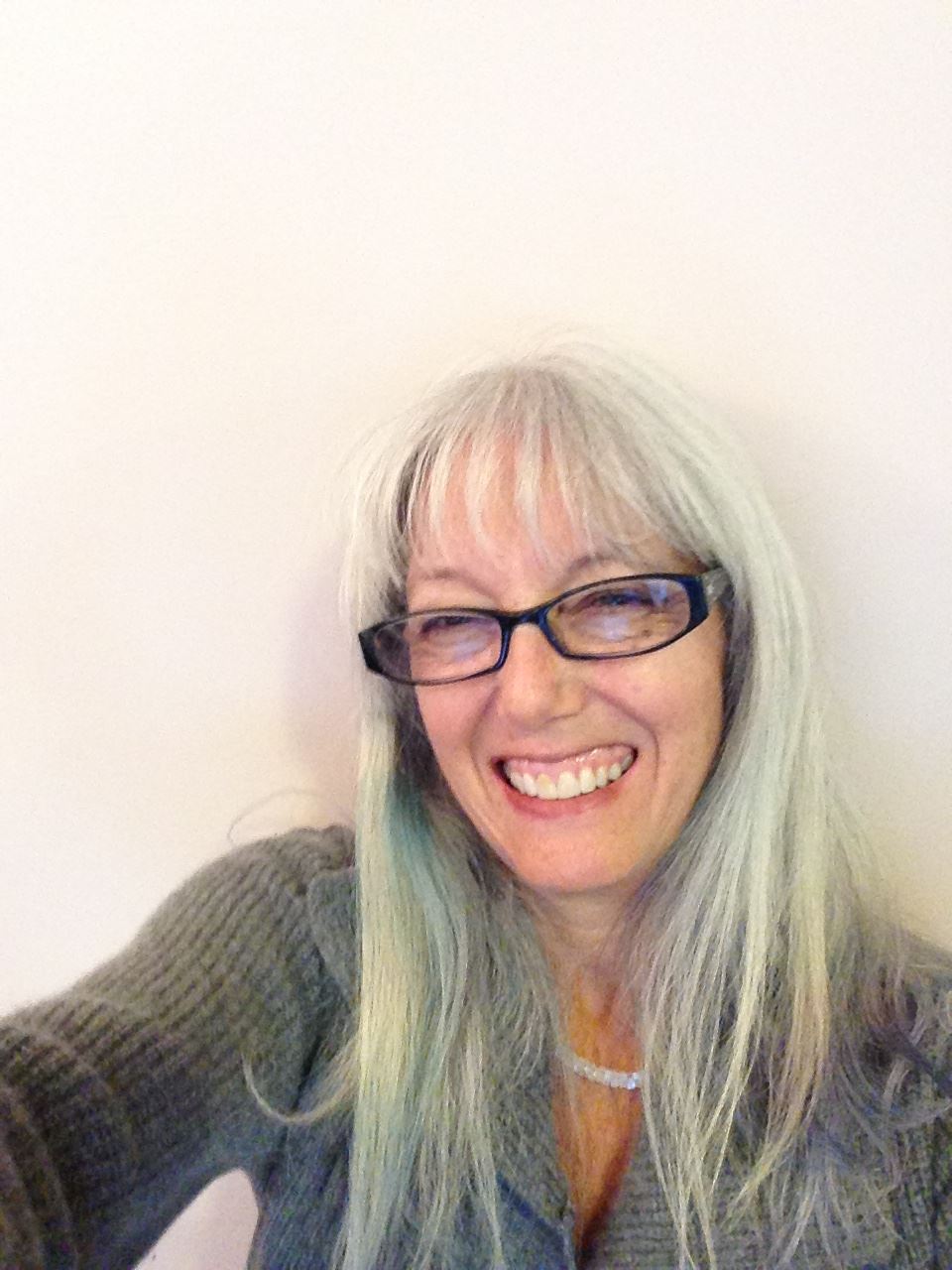
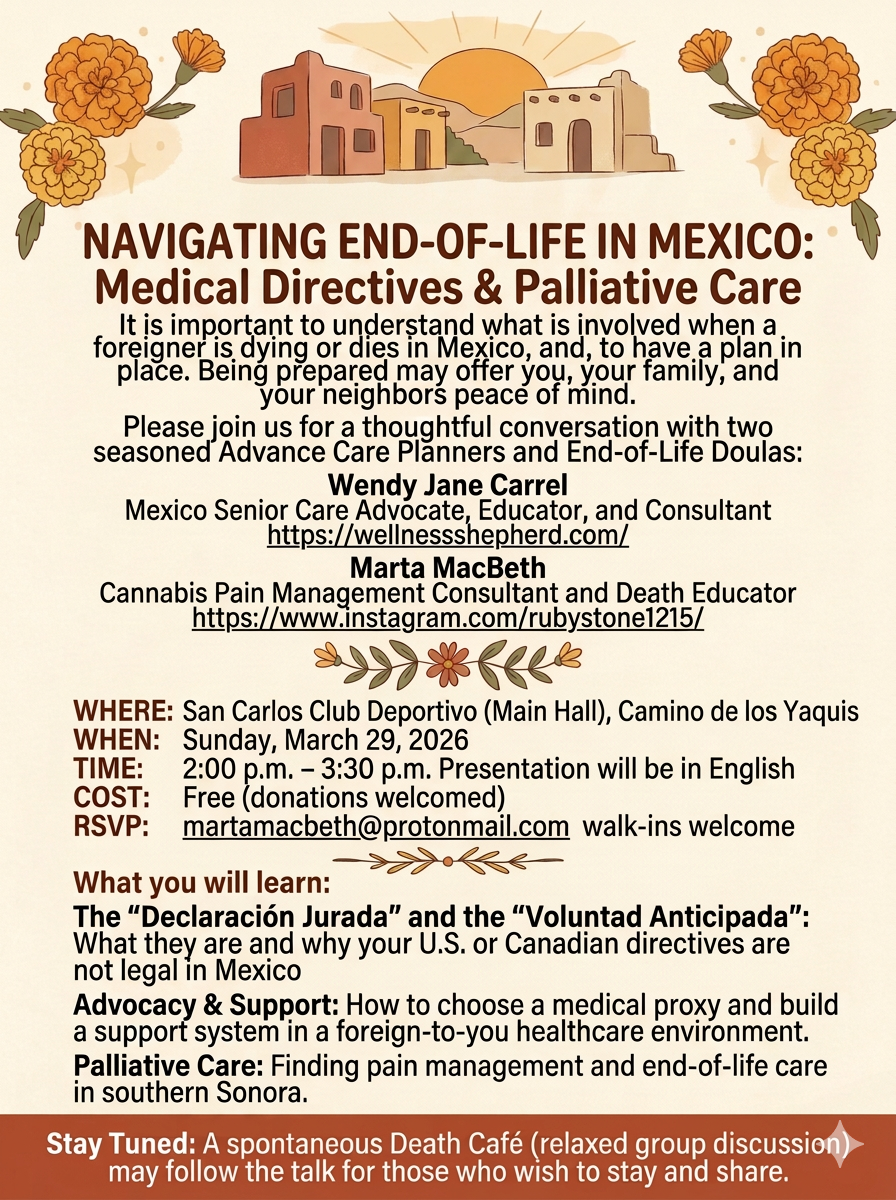

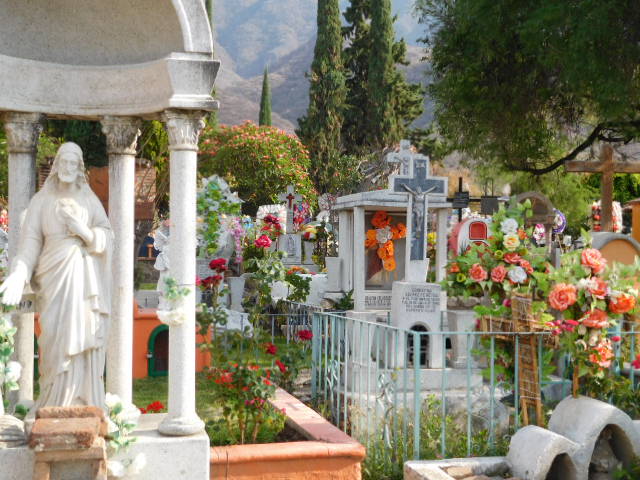

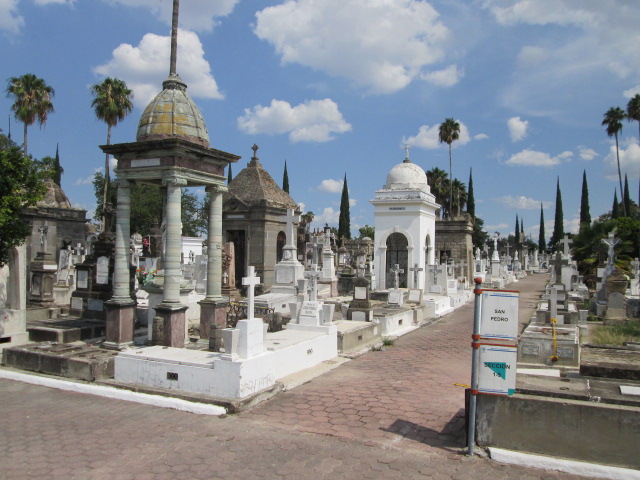
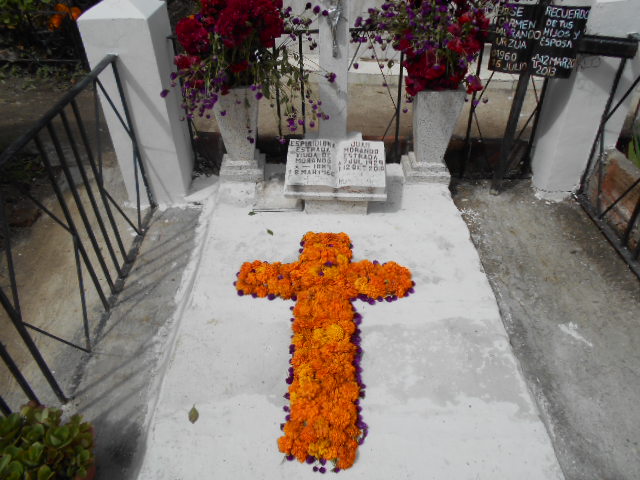



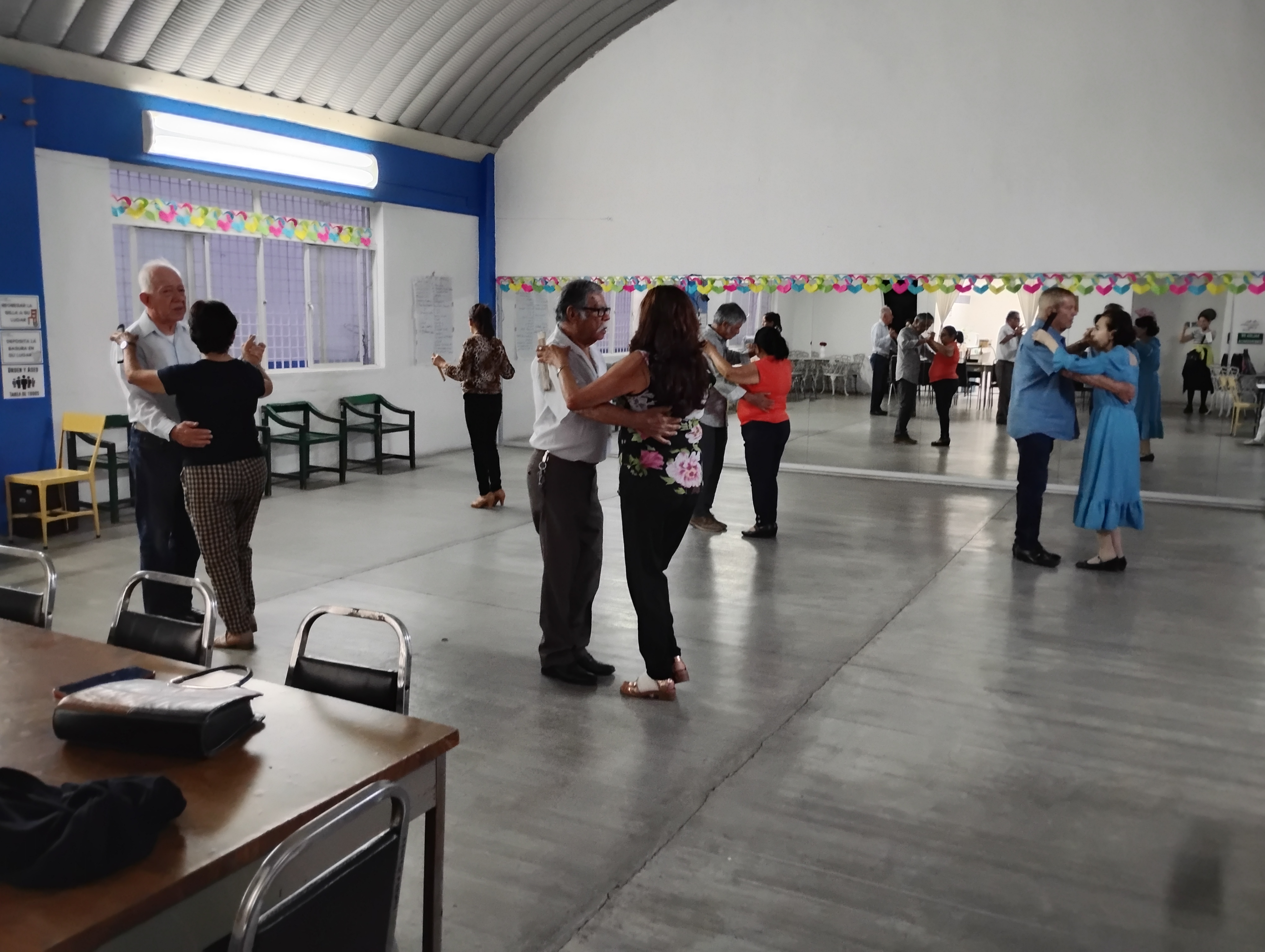

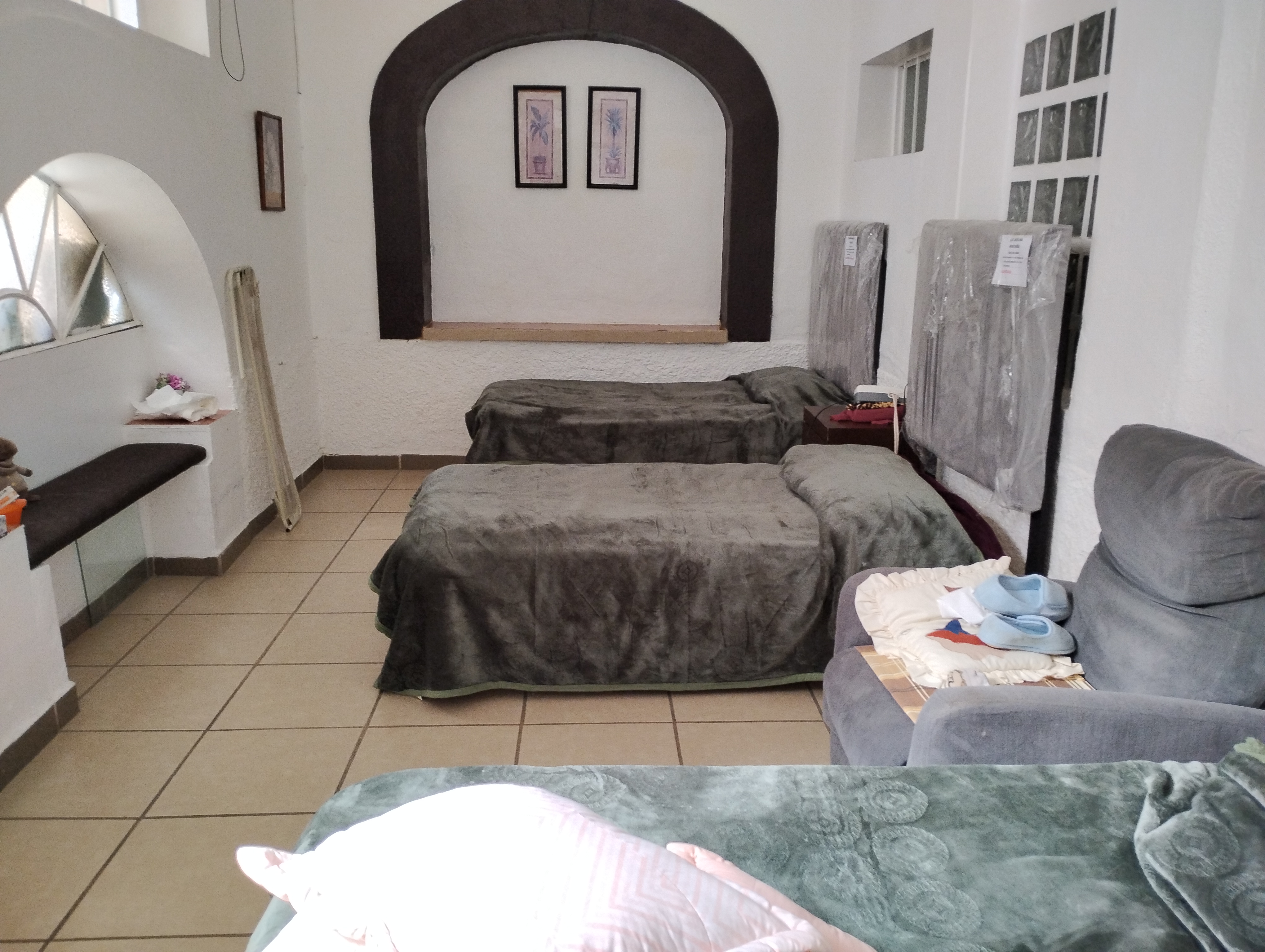


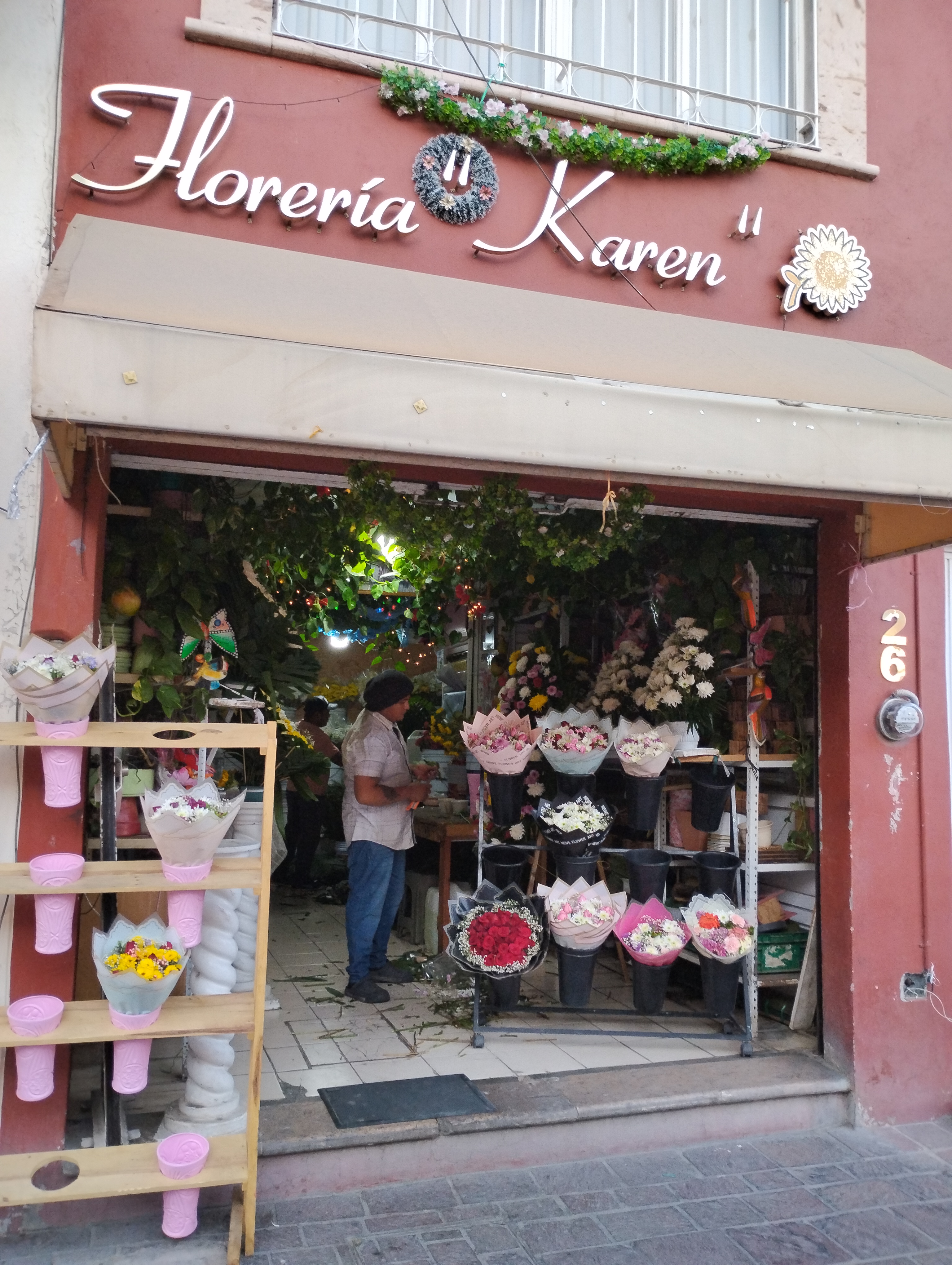


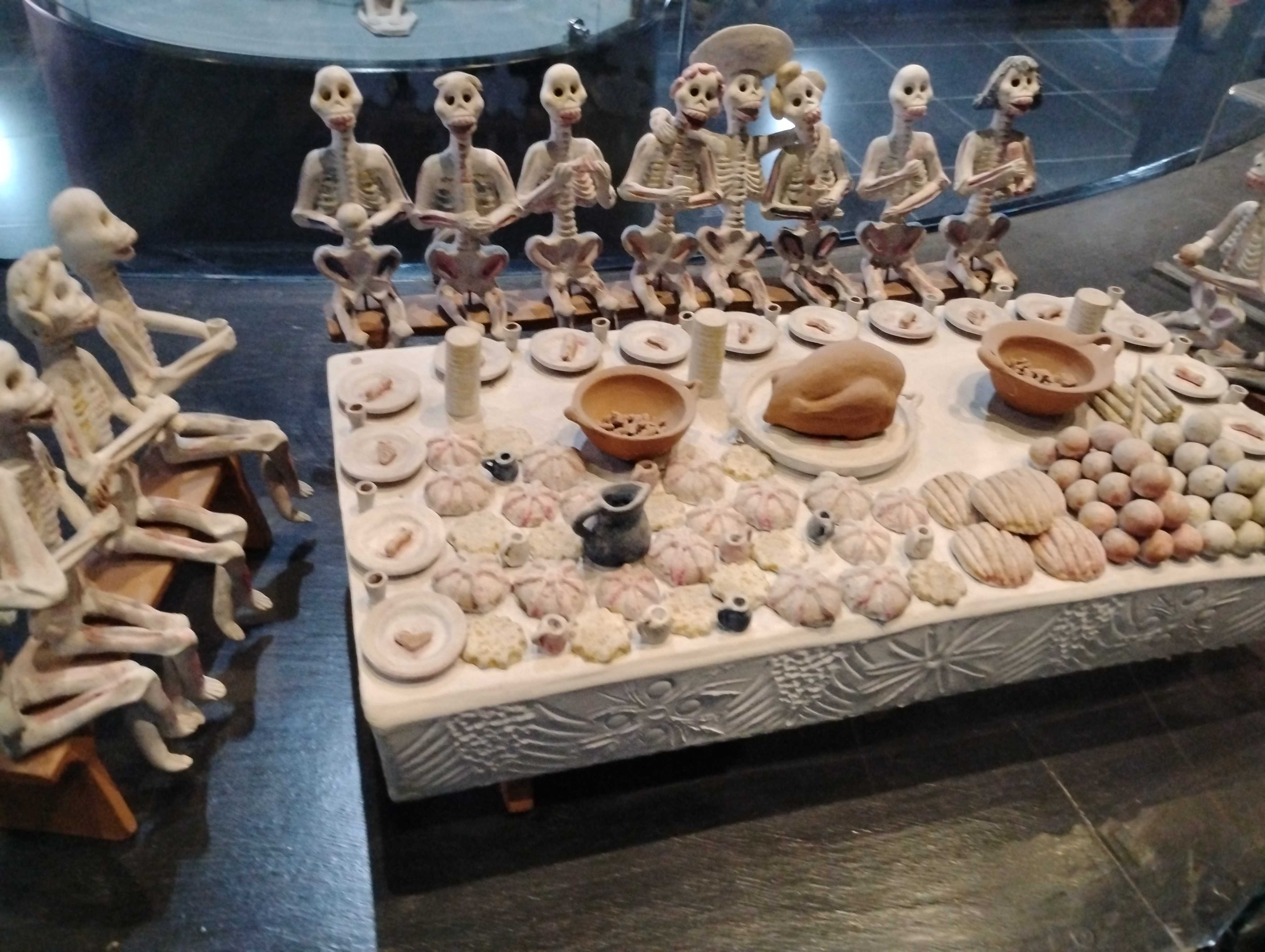
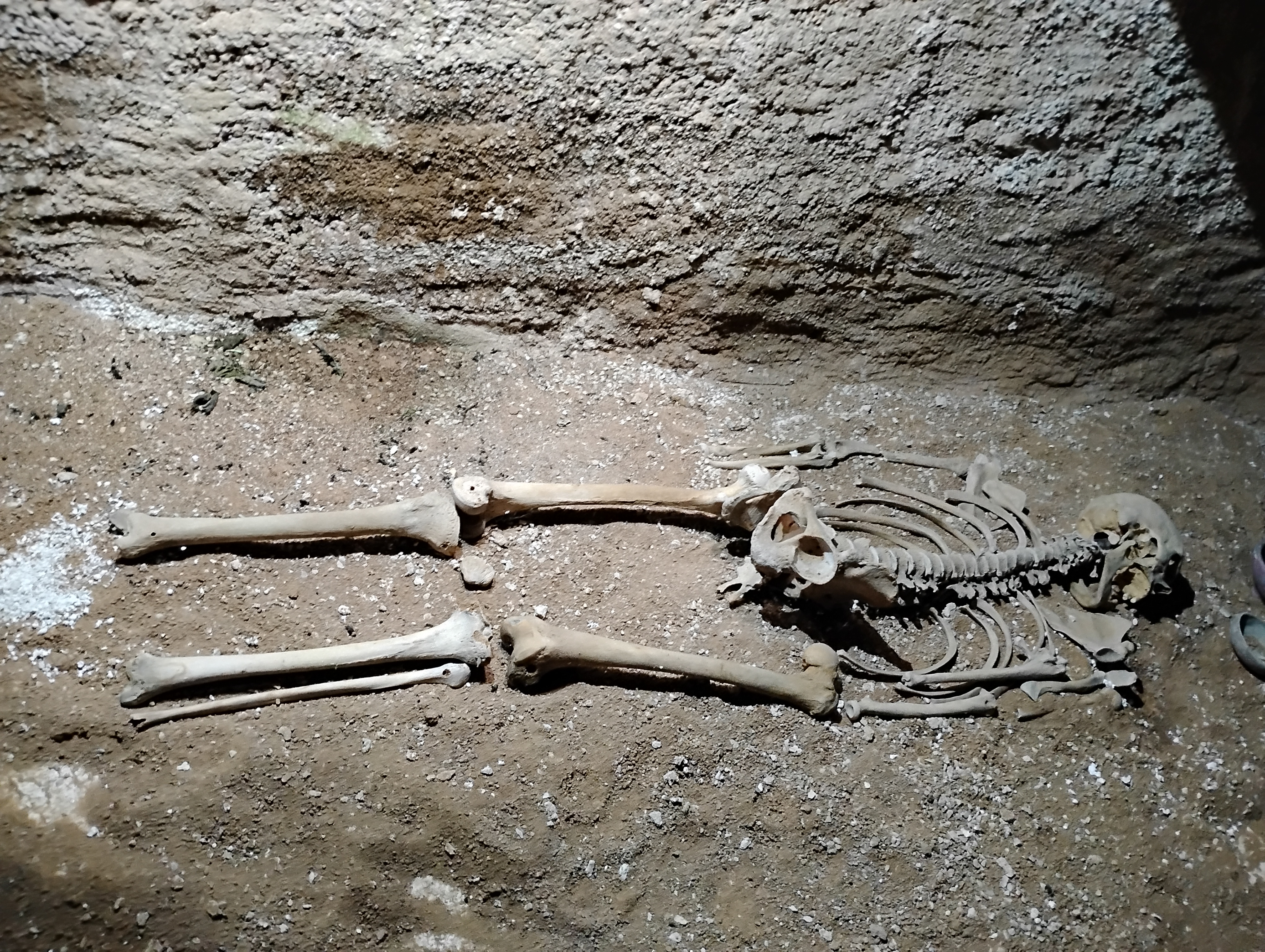
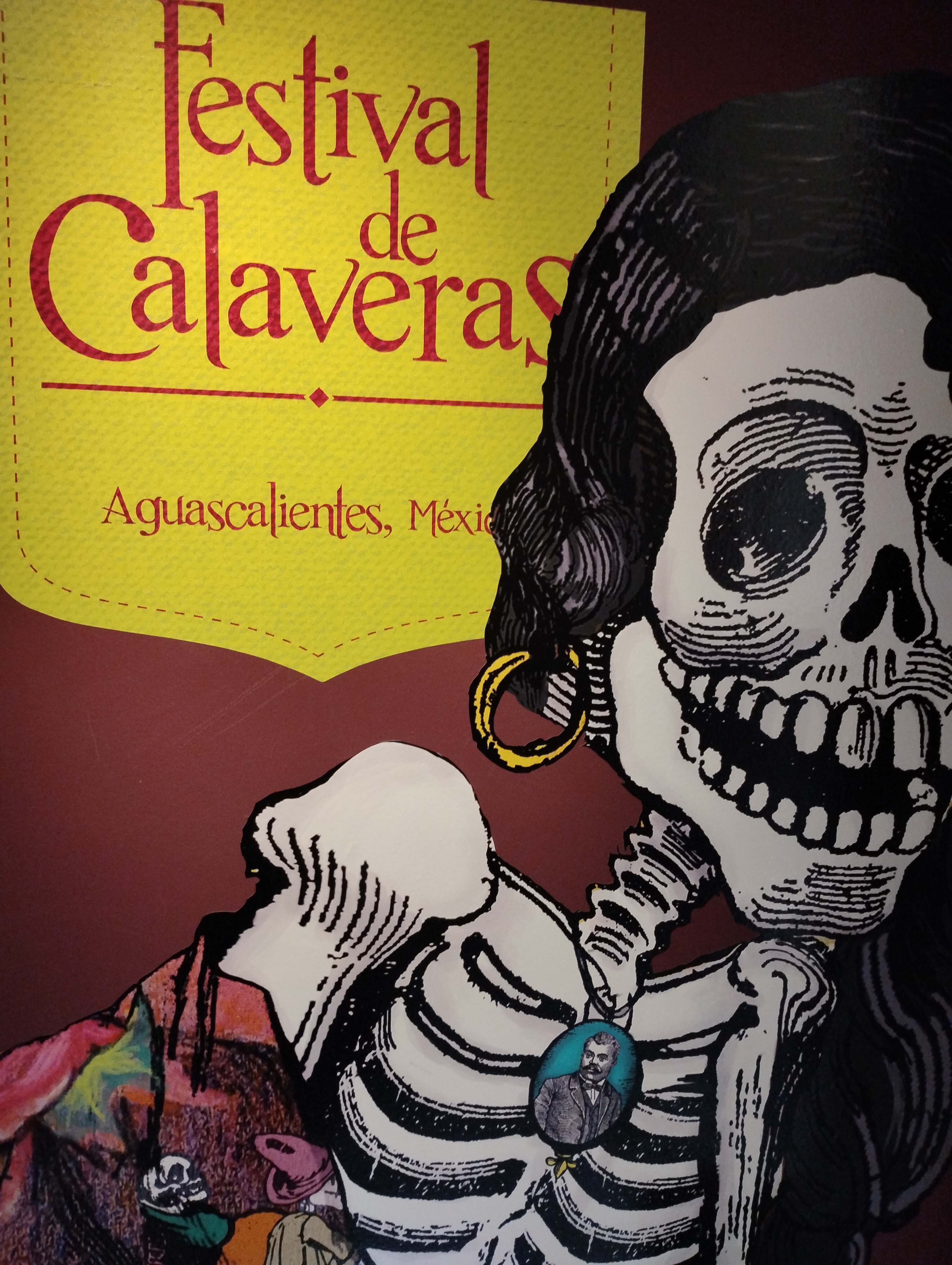


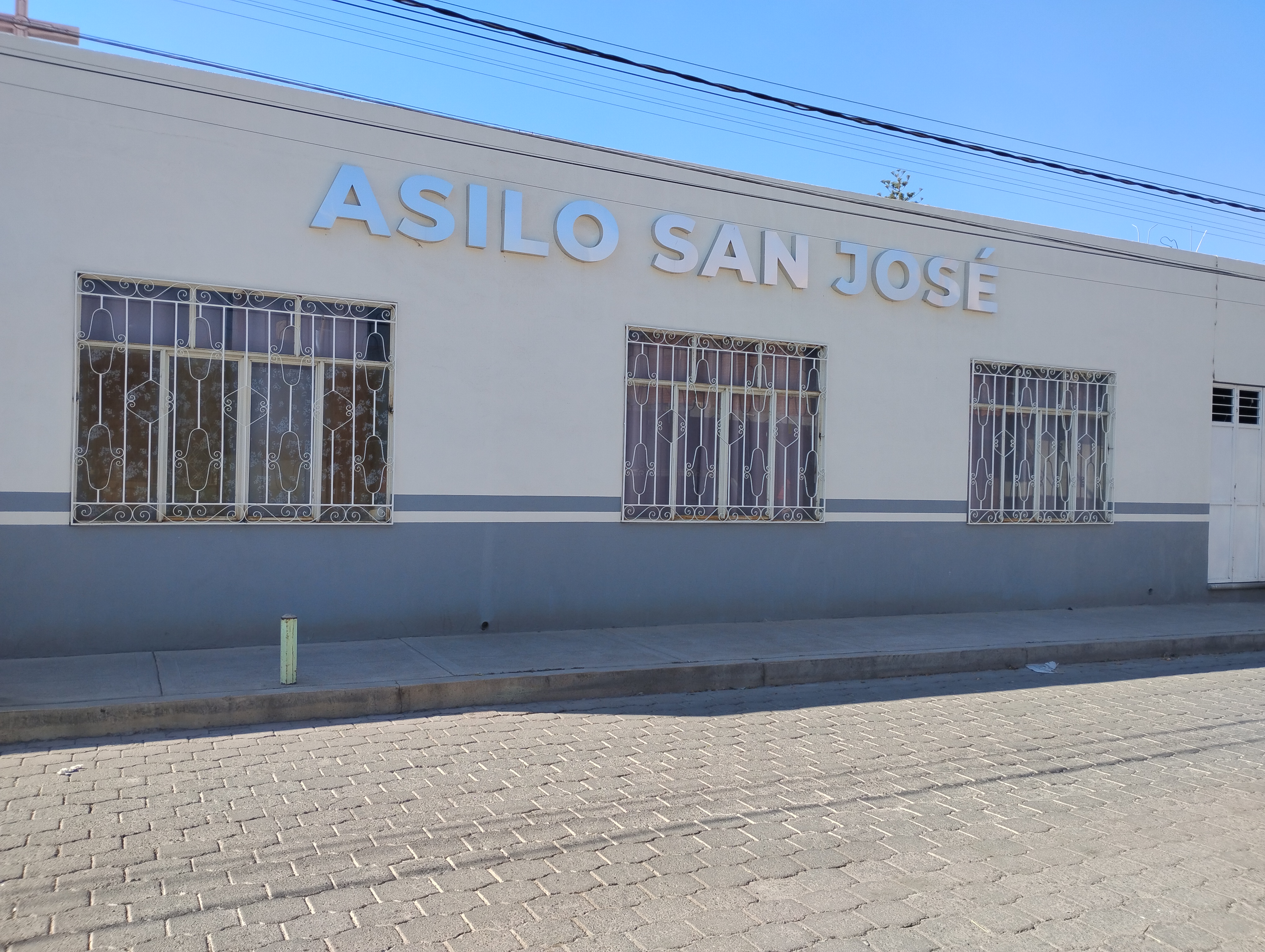
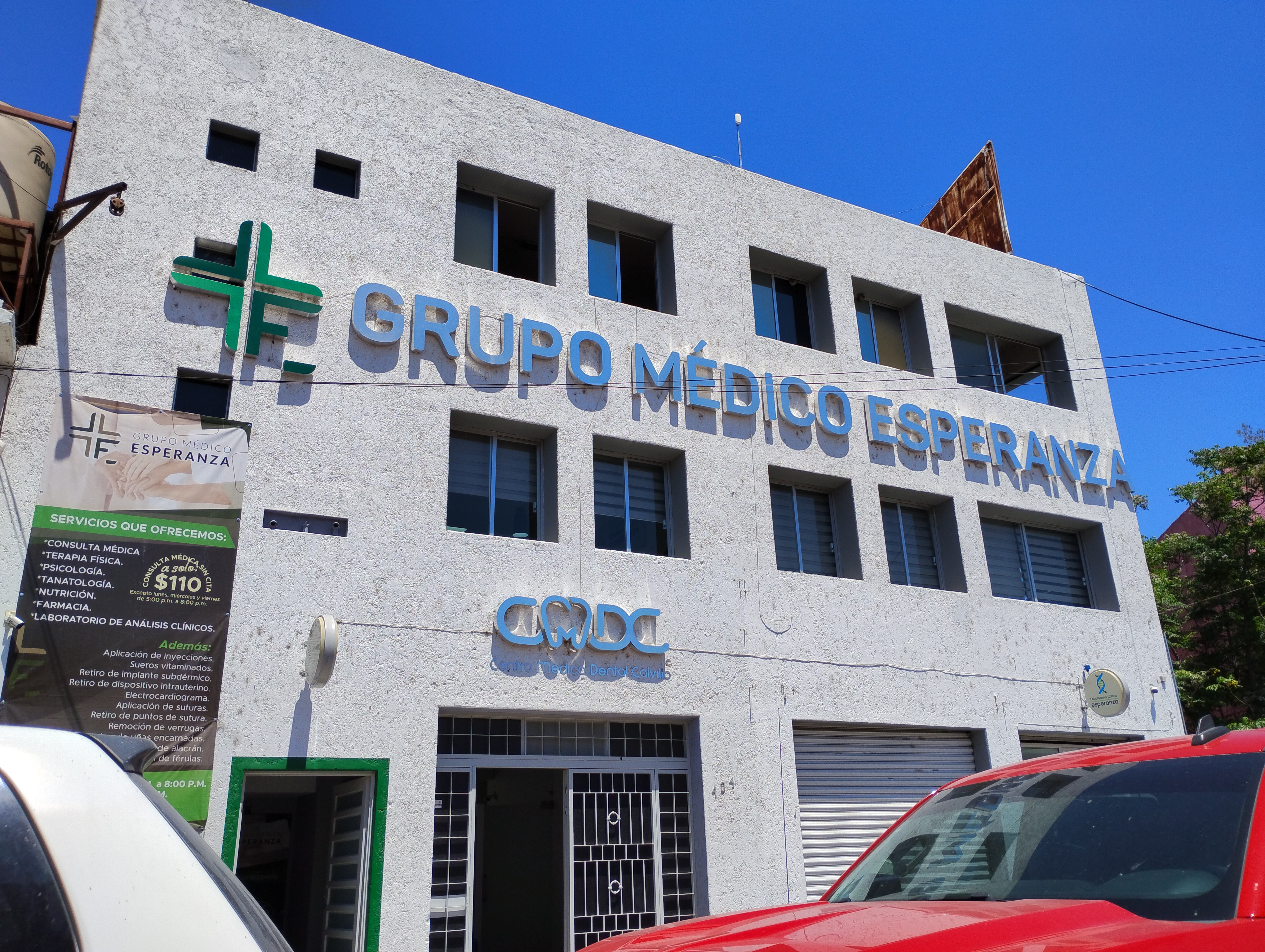
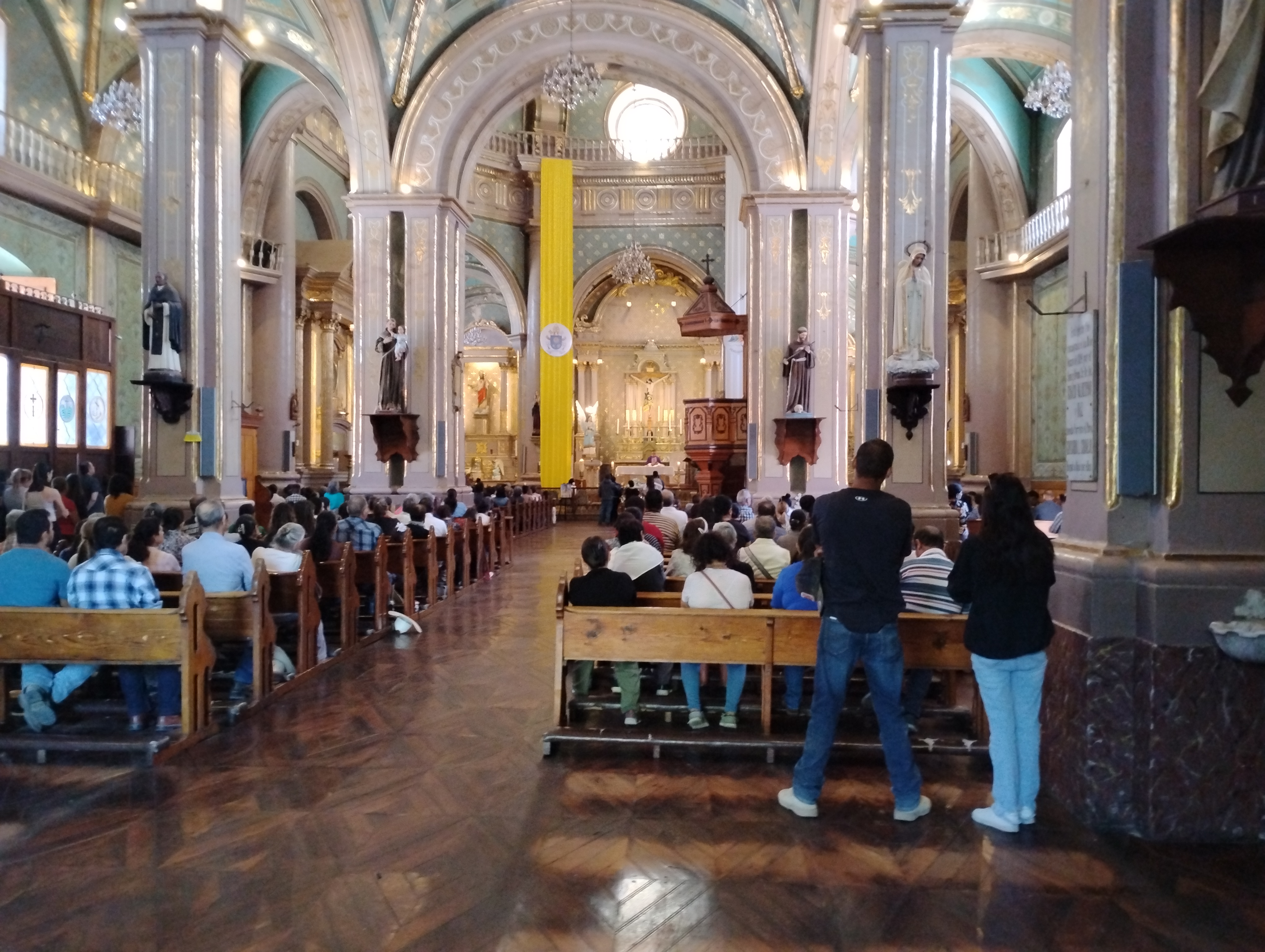
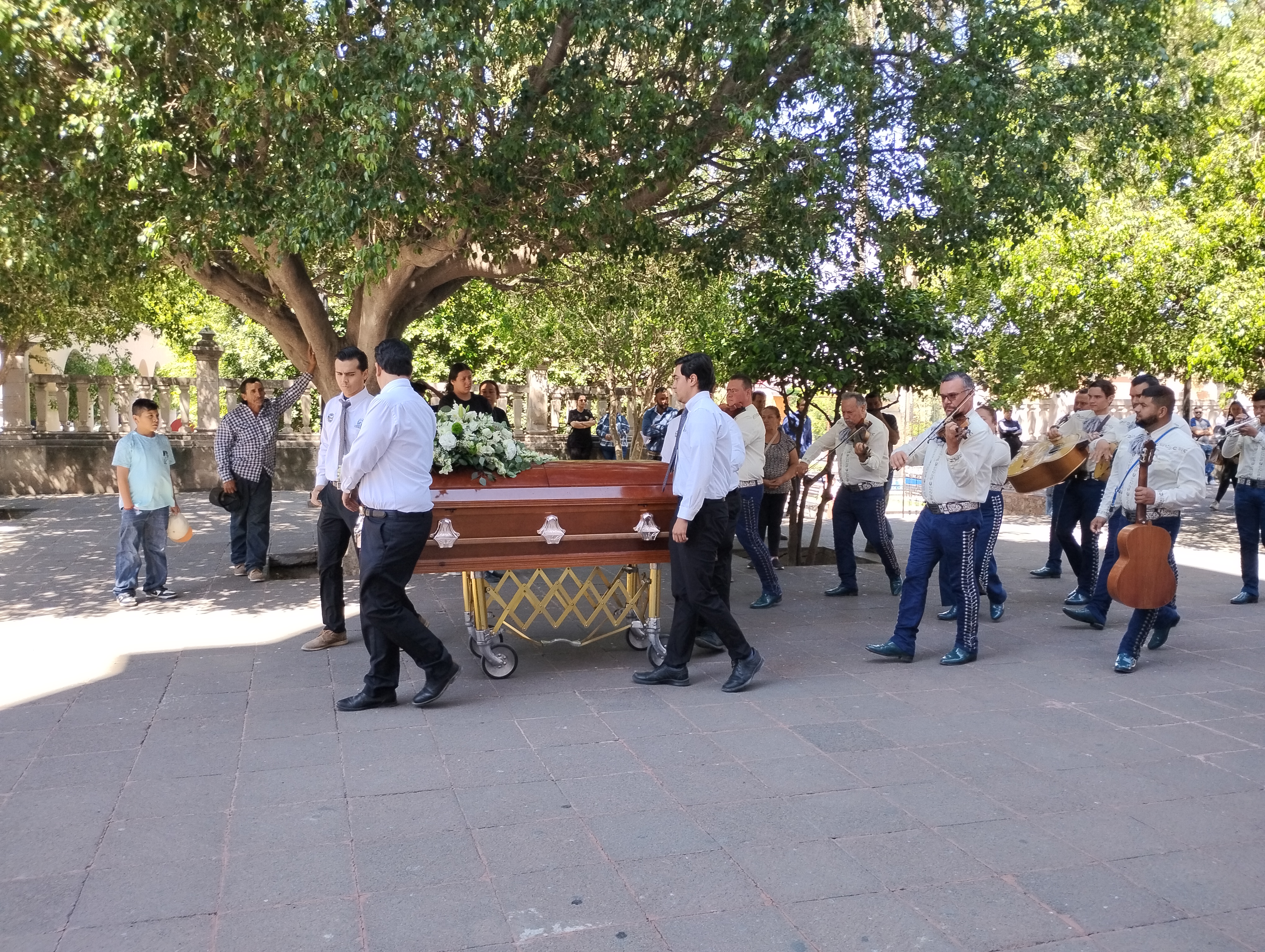

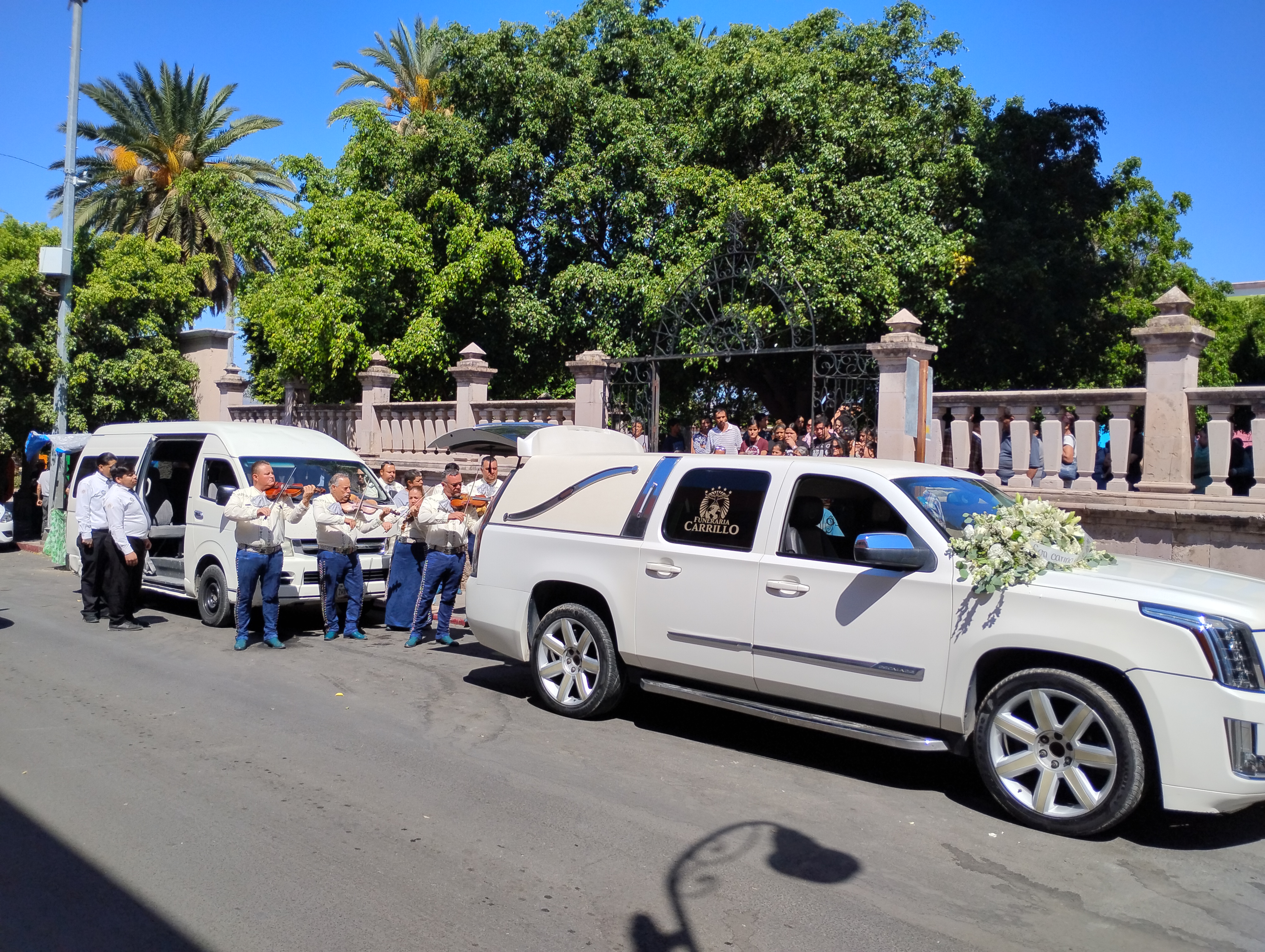
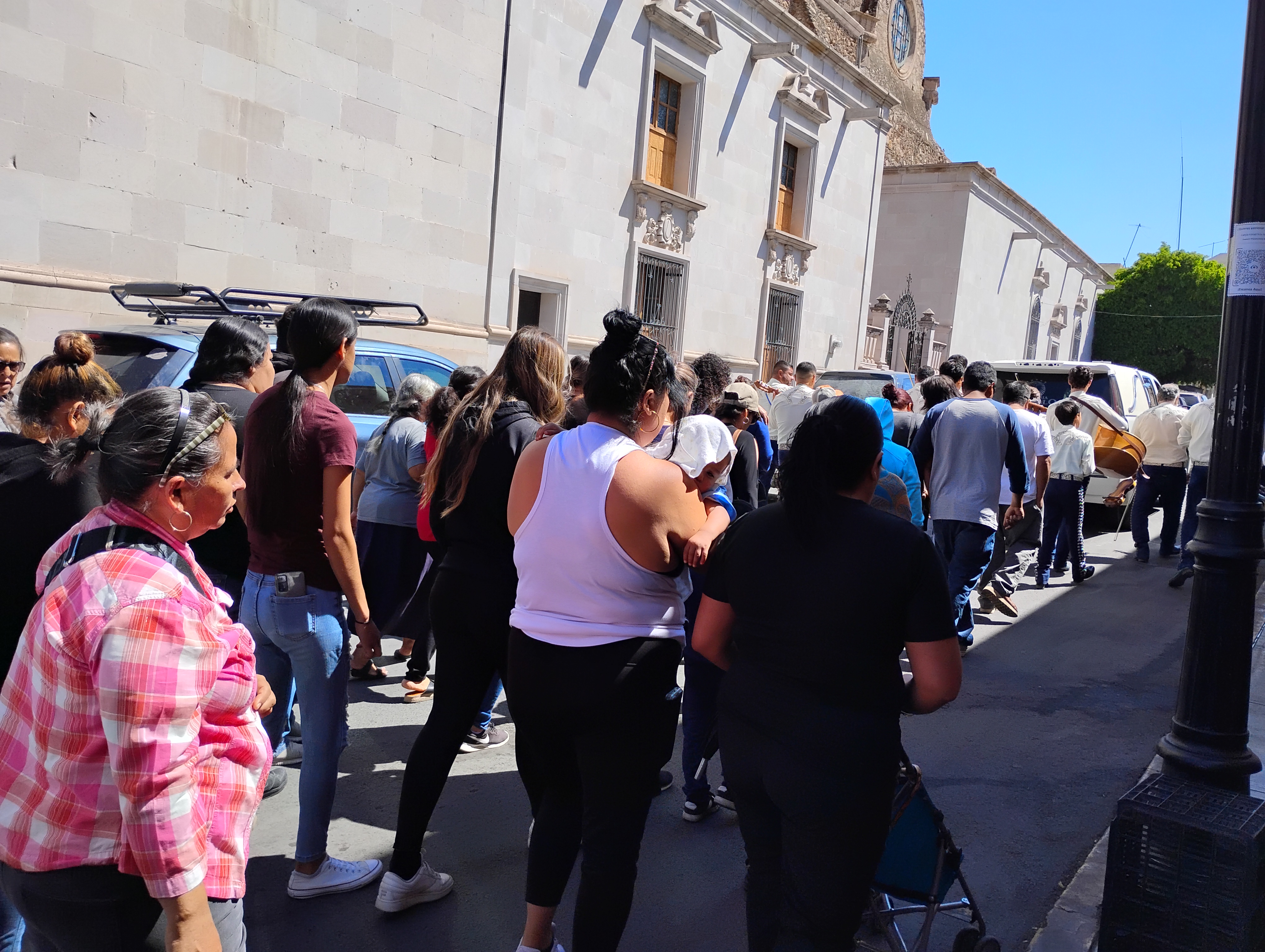



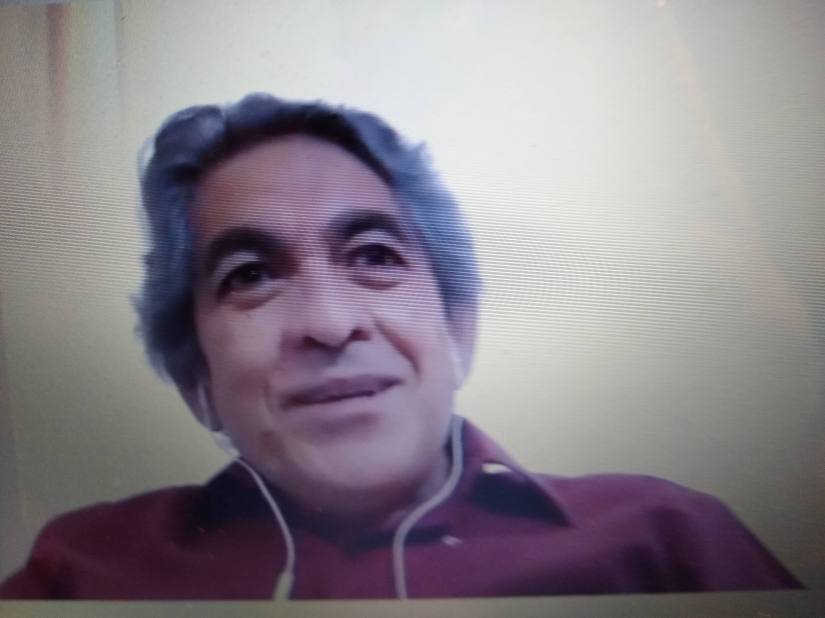


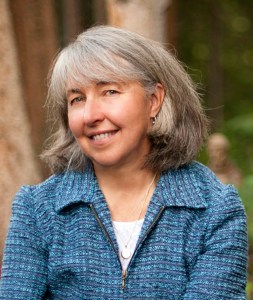

 Wellness Shepherd
