Assisted Living Mexico, Mexico Retirement, Mexico Senior Living, Senior Care Mexico, Senior Living Mexico

Mexico’s Future as a Senior Living and Senior Care Destination for North Americans: Opportunities and Realities from CIAMAR 2025

We live in an aging universe, a universe where older adults live longer than ever before. 

The need for housing and care, especially affordable housing and care, is growing in all three North American nations – Canada, Mexico, and the U.S. (See the Statistics section for expected growth by 2030 and 2050 at the base of this review).

In 2003, when working at a luxury senior residence in Rancho Mirage, CA, it was evident that healthcare affordability for U.S. older adults would become a challenge or become completely cost prohibitive, especially if dementia was part of the equation.

This revelation ignited my desire to explore international options.

I started investigating Ecuador, Mexico, and other destinations for medical care, long-term care, and end-of-life care, subjects that remain dear to me and those I serve.

My hands-on experience as a Mexico senior living consultant conducting due diligence over a period of 11 years in 18 Mexican states (there are 31. The Federal District of Mexico City makes 32) has kept me engaged and open to what’s happening on the senior living front. An excellent place for me to learn more was as a speaker and guest at this year’s CIAMAR Wellness and Senior Living Investment Summit 50+ to 80, a conference produced by Javier Govi.

Govi is a “nearetiring” proselytizer and real estate entrepreneur who has believed in the growth of senior living in Mexico for American, Canadian, and Mexican retirees for more than a decade. His platform is focused on growth with corporate players from Canada, Mexico, Spain, the U.S., and other countries in Latin America.

My interest is in all sectors including smaller residences and intimate communities with sustainable futures.

Who attended CIAMAR 2025?   

Between 150 to 200 persons attended the summit, gently modelled after NIC (National Investment Center) conferences in the U.S. with 1500 to 3,000 participants. The event was held at the Hotel Marquis Reforma in Mexico City.

Architects, bankers, real estate developers, senior living operators, tourism industry execs, one real estate appraiser, and entrepreneurs from around Mexico – Baja California Norte y Sur (Tijuana, Cabo San Lucas), Cancun, Cuernavaca, Leon, Merida, Mexico City, Puebla, Queretaro – and from other countries – Argentina, Colombia, Costa Rica, (Germany via Zoom), Panama, Spain, were present.

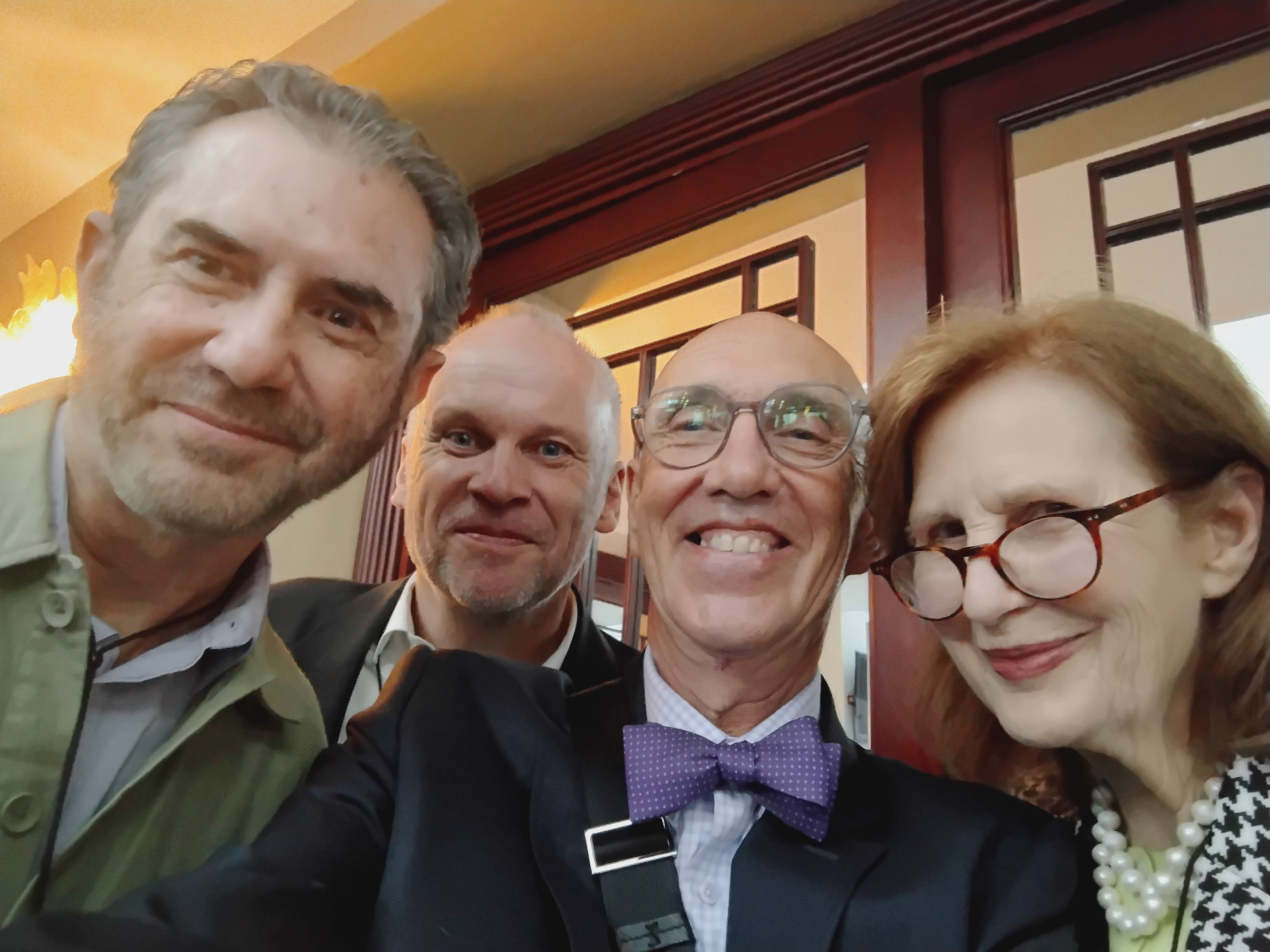
Below is a photo from the first day of the summit, almost an hour before we began.
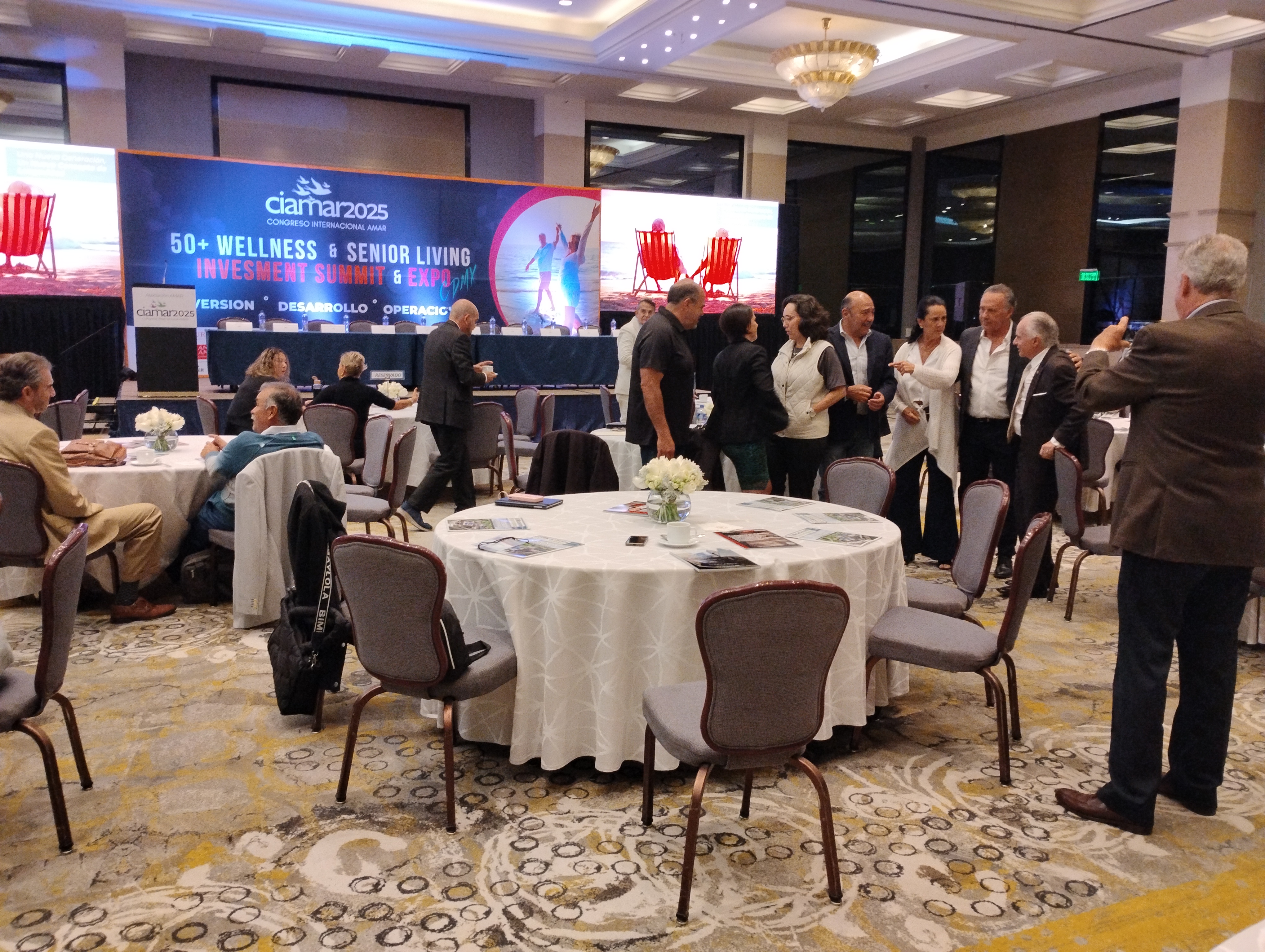
What was on the agenda and who were the speakers addressing the opportunities?

https://ciamar.odoo.com/en/programa

https://ciamar.odoo.com/en/ponentes

Speakers from Latin America, mostly from Mexico, brought unique projects and perspectives, some are outlined further below.  

These Latin American entrepreneurs see opportunity in attracting Americans, Canadians, and Europeans. One of the speakers referred to the current wave of this cohort as “el tsunami blanco”, the “white tsunami”. (An interesting comment as some expats in Mexico have Afro, Asian, and Latino heritage).

Latin American entrepreneurs are also focused on culturally compatible senior living for their own populations. Is there a way to meld the different cultures? This is a subject that remains open for discussion.

Some Mexican senior living homes thrive on hosting expats as their primary residents.

Despite the perception outside Mexico that Mexican elders are taken care of at home, many still are, there are senior living enclaves for Mexicans around the country, though far fewer than with Mexico’s neighbors north of the border. 31% of 11 million Mexican homes have at least one older adult (INEGI 2020).

According to INEGI (Mexico’s National Institute of Statistics and Geography, 2020) there are approximately 1200 senior living residences including assisted living/nursing care/memory care (often combined into one residence unlike American and Canadian systems). In 2017 there were an estimated 800.

The numbers for Mexico do not include independent living/active adult enclaves but do include corporate senior living, smaller private pay residences, non-profits often run by nurse nuns, and government homes. These numbers fluctuate as numerous small start-ups often close.

In Canada there are approximately 2,076 assisted living/supportive living/retirement residences according to Science Direct. Another source says Canada has 571 assisted living residences. (See Reference section below). In the U.S. there are approximately 32,000 assisted living communities with a total of over one million beds.

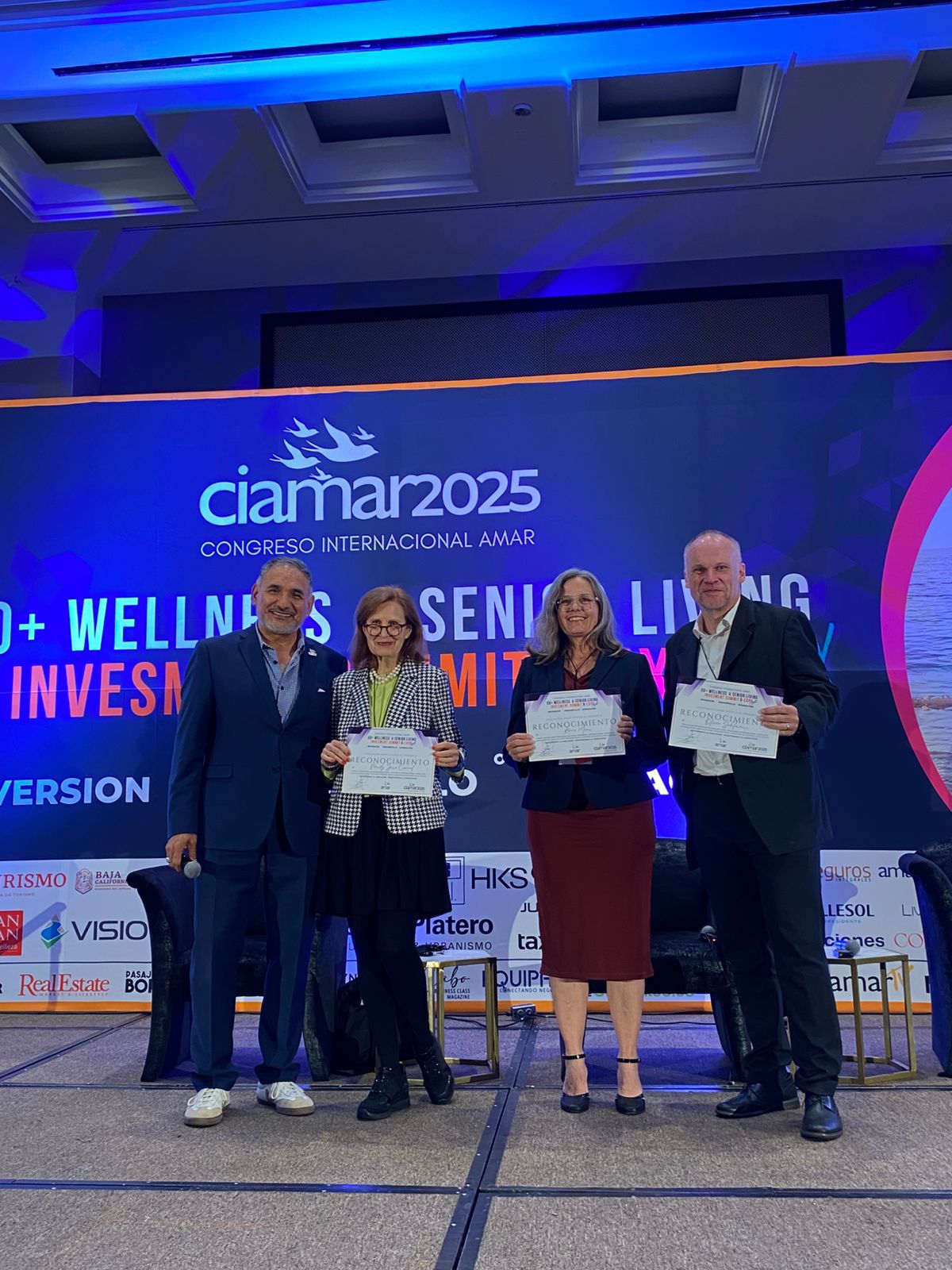
The “Bucket List” panel below with Javier Govi CIAMAR founder/producer, Wendy Jane Carrel, Kerri Moon, and Oliver Sahlmann
Three of us were invited to address the following question:

Who are the Americans, Canadians, and other foreigners considering Mexico for retirement and senior care?

We began our team presentation with a quick slide show of photos showing foreign residents in Mexico ages 60 to 100, couples and solo agers of diverse backgrounds (a growing number of Mexican Americans included), and those with diverse interests and preferences from no frills to resort-like settings.

Kerri Moon, an American entrepreneur who built one community at Lake Chapala and collaborated on the growth of the Namaste Community (another Lake Chapala expat community), pointed out, and we all agree, “the availability of caring workers who come from intergenerational households and are accustomed to respecting their elders could ensure superior staff-to-resident ratios giving Mexican senior housing a tremendous opportunity to succeed.”

Moon is currently spearheading a group seeking investors for a Memory Care Village at Lake Chapala. Find her at https://www.facebook.com/RetireInternationally/

Oliver Sahlmann, a business coach, former Volkswagen Mexico executive, and Mexico resident for 20+ years, shared about German retirees in Mexico.  “They come mostly for the sun, and, in winter months.” He presented some charming cultural stories to give the audience a feeling for the German mindset.

The main points of my contribution were the diversity of ages, backgrounds, and interests, that no one plan fits all, and that most retirees from Canada and the U.S. prefer to Age in Place in communities with other expats. Fewer prefer living among locals but those who do often thrive.

The migration of Americans and Canadians to Mexico for retirement and senior care is not new, it has existed for decades. Numbers increased noticeably since 2008 (U.S. economic challenges), COVID, and as mentioned above – the realization that we are living longer and there may not be enough funds for retirement and healthcare. The U.S. does not have universal healthcare, Canada and Mexico do to varying degrees.

For older adults who have long-term care insurance and are independently wealthy healthcare is not an issue. But the reality is, even with U.S. Medicare, and continued rumors of cuts for Medicare and Medicare Advantage programs, some older adults are seeking alternatives and solutions in other U.S. states or other countries.

Here are some highlights from CIAMAR 2025 sharing pride of Mexico, sustainable projects, unique visions, plus mention of notable vendor/summit supporters:

Javier Govi invited attendees to invest in the future of senior living in Mexico and LatAm, invest in the concept of Near Retiring (bringing Americans and Canadians to Mexico), consider Pueblo Magicos for aging (see Reference section below for explanation of this government initiative for magical villages), and most of all offer dignity, quality of life, and exceptional healthcare. Govi is the author of Nearetiring: Baby Boomers, Snowbirds, and Summerbirds, a Great Opportunity for Mexico and Latin America in Spanish.

Mac Kroupensky – Mac is a thought leader who teaches corporations, companies, and government how to create innovative change and motivate people and teams. For 10 years he taught at IPADE, Mexico’s equivalent of the Harvard Business School or France’s INSEAD. “To be a great leader you must be a great human being,” is his motto.

Kroupensky has a super enthusiastic presence. He regaled the audience by asking them to imagine an ideal retirement place – a city of 150,000 with medical infrastructure, security, and new technology. He pointed to Sofia, Bulgaria’s thriving tech and arts scene, a city of old and new. Most of all, that perfect retirement place would offer the best of humanity, people who care. He then added, the Mexico/LatAm Senior Living Investment Summit would offer invaluable expertise and talent. He is right, it did.

https://kroupensky.com/quien-es-mac/

In the photo below: Rafael Garcia Turban international developer, Oliver Sahlmann, Mac Kroupensky, Wendy Jane Carrel at CIAMAR Mexico and LatAm Senior LIving Investment Summit 2025
Antonio Gonzalez-Quiros F. , Director of Ballesol Mexico, was the keynote speaker. Ballesol is a Spanish corporation that for 40 years has developed 55+ resorts, residential apartments, and assisted living. Ballesol has assisted living facilities in Queretaro and Mexico City. Note: Spaniards and Latin Americans investing in senior living have much in common – culture, language, law, and a familiar way of doing business.

Ernesto Oechlar former banker, former CEO of a family-owned senior living residence, advocate for holistic senior living, organic food, and positive mind set. He is currently a consultant for Neuro Change Solutions (NCS), a global network of corporate consultants trained by Dr. Joe Dispenza teaching how to apply the neuroscience of change to increase employee engagement, collaboration, and productivity for business results. Delightful to converse with him and with Mac Kroupensky about differences of perception within cultures.

Marta Parra, Co-Founder and Co-Director of Virai Arquitectura, Spain.  She was one of the last speakers and I wish more attendees could have listened to her enlightened presentation about creating accessible spaces and person-centered memory care with the energy of light, located in nature, and more. She is a pioneer in neuroarchitecture and sustainability for hospitals and senior living residences in Spain, Africa, and Latin America. Her slides and presentation were excellent. For more information see https://www.virai.eu/

Architect Carlos Sanchez of www.gomezplatero.com was a pleasure to listen to and learn from. He studied architecture in Torino, Italy and has worked on senior living projects in Medellín, Colombia and in Uruguay. 

Mario López is the founderof Taxáre. He is a real estate appraiser, consultant and enthusiastic investment project manager for real estate businesses. You can find him as “Mario El Valuador” on Instagram, Tik Tok and his podcast Un Express de Real Estate on You Tube @soymariolopez. He showed us drawings of an eye-catching urban city design for Tijuana intended for retirees and others – modern towers, gated, secure, flat and walkable, alongside the Pacific Ocean, with sustainable architecture, lots of gardens and amenities. If and when such a project is manifested, I can see folks with this concept as their aging in place vision filling it up fast. Based on my several due diligence visits to Tijuana, the city would benefit from a project such as this.

Juan Pablo Payró an Architect/Masterplanner/Designer/Developer shared about Agrihoods and Wellness Community projects in Queretaro, San Miguel de Allende, Holbox, Bacalar, and Los Cabos. He is a co-developer with Javier Govi’s Grupo AMAR. I contacted him to share photos or a website but have yet to receive a reply.

Salvador Rivas, an articulate, cultivated British-Mexican architect, has worked on prestigious international projects. His web site is www.srivasarchitects.com . I contacted him for information related to senior living projects but have yet to receive a reply.

There were many worthy presenters. Apologies to those not mentioned.

A special shout out to Jose Manuel Diez for his elegant, gracious energy as Master of Ceremonies and to the amazing AMAR and CIAMAR support team who produced this event.

Attendees I also appreciated meeting:

Juan Jose Perez Rifel shared with me an appealing project for Queretaro, one of my favorite Mexican cities. He is with www.st-austin.mx (see concept photos at the website). As I understand St. Austin owns the land. The first project is an eco-sustainable hospital which will serve as the property anchor with plans to expand to a medical district with doctor’s offices, a senior living residence (no precise details), a commercial center, gardens, and more. I am eager to see it when it is built.

Visiting from Lake Chapala was Jorge Garcia de Leon who is head of operations at Rancho Salud Village, see www.rancholasaludvillage.com or their Facebook page.  His father-in-law owns the land in this eco-friendly, holistic, sustainable, multicultural, co-housing community of homes for Aging in Place. I have witnessed the growth over 11 years from two homes to a plan for 21 and eventually 30+ with pool, vegetable and herb gardens, and more. I am a fan of Jaime Navarro, his lady Sara, and their passion for healthy, independent living.

Roberto Madruga Avensa of Mexico City has “four legally clear parcels for development” for an Aging in Place/Wellness project in the Pueblo Magico (magical village) of Ixtapan de la Sal. The project is known as Reserva Reforma and there is no website yet. Sr Madruga envisions a completely flat, walkable community with local healthcare within five minutes, a hospital you would be flown to by air ambulance if needed, living spaces with doors, floors, and more following the 150 Residencial Universal Living Design standards. Sr. Madruga’s wife is a geriatrician. They have travelled to Italy, Spain, and Switzerland to look at senior care. The Reserva Reforma concept would appeal to American and Canadian couples and solo agers if and when such a project is built may be a few years from now.  In any event, the vision is a match with many folks who wish to move to Mexico, Baby Boomers especially.

Alejandro del Rio of Leon, Mexico.  Family property on many acres in nature with a villa, a large home, lots of green trees, brick walls. It has been or is being converted into a senior living residence. See https://www.plenityland.com/ for photos and contact information.

Nelly Vasquez Sanchez of Gravasa Immobiliaria in Puebla and Oaxaca is a real estate agent and a newbie to the senior living world.  She shared with me she attended the conference because she wishes to learn how to provide for expat residents. She paid attention to each presentation. She was a joy to get to know as she represents a younger generation that has an interest in aging. https://www.facebook.com/igruvasa/?locale=en_GB

Mauricio de la Cerda, VP Growth for www.angela.care was at a vendor table sharing how to receive pills in a pill pack organized by day and time (breakfast, lunch, dinner), delivered to you at home. Angela Care works in collaboration with Amazon Pharmacy.

Vendor Roberto Sanchez of Gerflor.com, a French flooring company, shared my kind of waterproof, antimicrobial, soft to fall on, quiet, no glue, fast installation flooring. I wish this flooring was mandatory in Mexican residences as injuries from falls could be less severe. Most residences have slippery tile flooring. I also had a secret desire that the Marquis Reforma Hotel where the summit was held would remove its marble floors. We were there in rainy season!! Here is the GerflorUSA website: https://www.gerflorusa.com/

Where is the money?

With the talent I witnessed and all the possibilities shown on multimedia around the conference center (some visually inviting, stunning in fact), I was mystified. I wondered why so many worthy older adult projects presented at the summit have not been built.

What has prevented architects, developers and others from manifesting their visions?

If I had not been breathless and a bit under the weather, nor missed the presentation that may have explained more “Where is the Money?” I may have learned more. Kudos to CIAMAR for the discussion.

So, I canvassed Mexican speakers and attendees and asked if they would please share what they see as obstacles.

The answers included government bureaucracy (heard this several times, heard this the most), challenging local laws requiring 2-3 years for permission to build, issues with land permits, financing, construction, and “voluntad” or will power and motivation for investment in this sector.

There is a growing venture capital market in Mexico of local and international investors. Most of the capital is being invested in technology, especially fintech.

Many architects and developers in senior living are essentially like movie producers. They create an idea, develop it, and shop it from place to place for financing.

It requires remarkable resilience and will power to be a Mexican entrepreneur in the senior living sector.

CIAMAR 2026 will focus on technology in senior living.

Summary

The need for senior living – housing and care, especially affordable housing and care, is growing in all three North American nations – Canada, Mexico, and the U.S.

For several decades Mexico has been a destination for Americans and Canadians. Now, with dwindling retirement funds, healthcare plans that are not flexible, and overall rising costs for housing and healthcare, the opportunity for more development is evident.

Senior living south of the U.S. border may be a continuing retirement trend.

Growth is slow as developments are often stalled by government bureaucracy, land permit issues, the ability to raise capital, and more.

Some Mexican developers are focusing on generations age 50+, especially those who are active and fit, seeking affordable luxury and a wellness environment.

© All rights reserved. Wendy Jane Carrel 2025   

Wendy Jane Carrel is a trusted older adult advocate and consultant who has hands-on experience with healthcare systems, retirement options, senior living residences, and wellness programs in Mexico, Ecuador, and other countries. She provides informed, culturally sensitive transition guidance and curated options for families and elders moving to Latin America. Her website is http://www.WellnessShepherd.com

Resources:

https://www.sciencedirect.com/science/article/abs/pii/S152586102200559X# Canadian long-term care statistics

https://bytescraper.com/b2b-database/list-of-assisted-living-facilities-in-canada

https://www12.statcan.gc.ca/census-recensement/2011/as-sa/98-312-x/98-312-x2011003_4-eng.cfm Canadian housing, dwelling statistics

https://www.technavio.com/report/senior-living-market-analysis an overview of U.S. market analysis growth for future senior living

https://dspace.mit.edu/handle/1721.1/108882# MIT study on real estate development opportunities for senior living in Mexico.  2017 2017 study on opportunities for senior living in Mexico

https://www.definitivehc.com/resources/healthcare-insights/assisted-living-facilities-us U.S. statistics for assisted living residences

https://en.wikipedia.org/wiki/Pueblos_M%C3%A1gicos Pueblos Magicos are part of a Mexican government initiative to create interest in its small towns with historical or magical charm.

I wrote the article below in 2016, it is dated in part.

Statistics

Statistics for burgeoning population growth in North America:

Canada – 7.6 million older adults representing 18.9% of the population according to Statistics Canada 2024. Statistics project seniors could make up 23% of the population by 2030 and nearly 26% by 2068

Mexico – 10.6 million adults over age 65 according to INEGI the Mexican Statistics Bureau, and Statistica.com. AARP International suggests older Mexican adults will represent 30% of the population by 2050 an increase of 277%.

USA – The number of Americans 65 and older is projected to increase from 58 million in 2022 to 82 million by 2050 (a 42% increase) according to a 2024 study by the Population Resources Bureau.

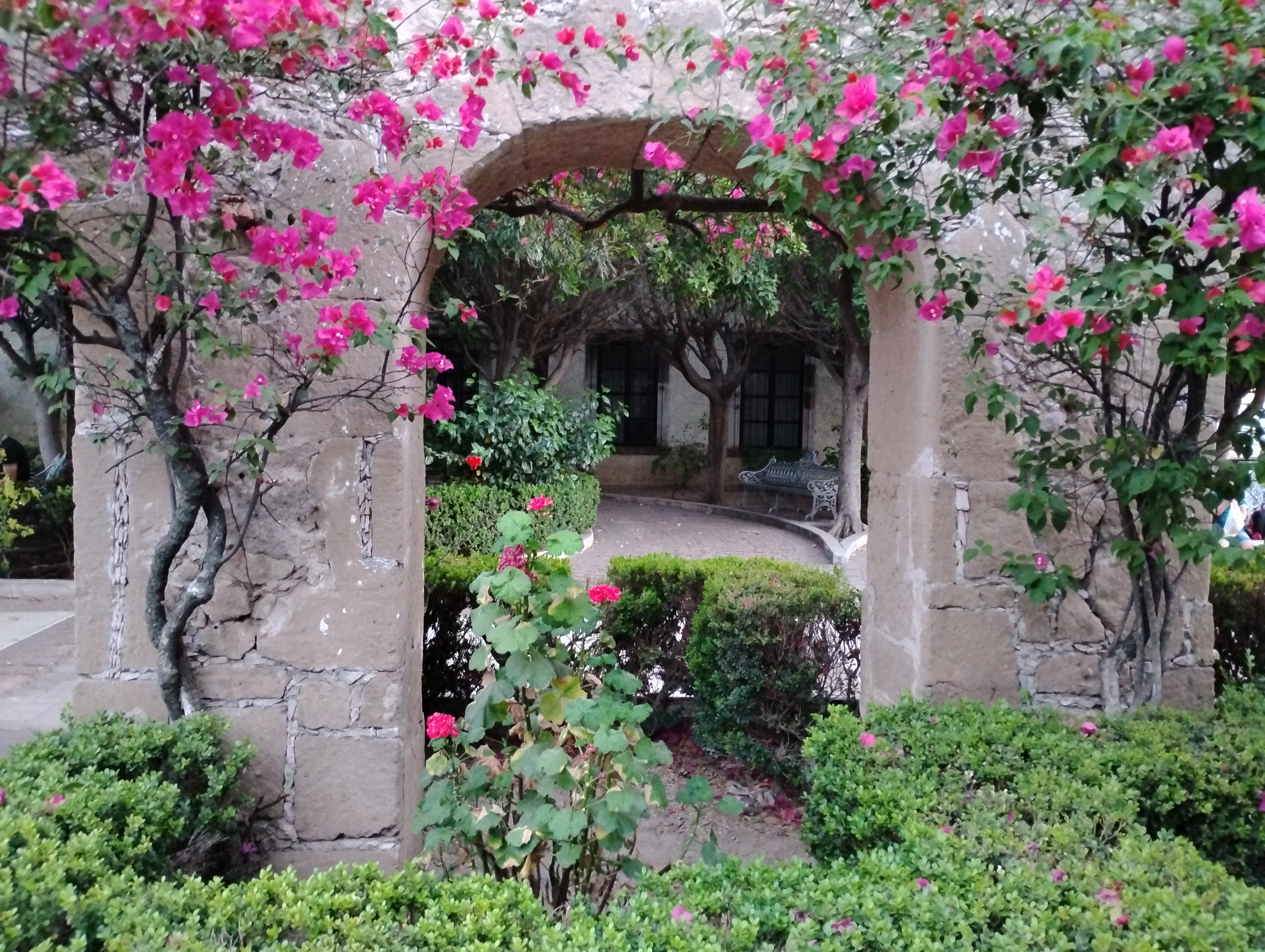
Aguascalientes City Park
Aguascalientes Museum of Death, Assisted Living Mexico, Death in Mexico, Health & Wellness Mexico, International Retirement, Senior Care Mexico

Aguascalientes, Mexico – a Colonial City, its Senior Care, and a Surprise, the Museum of Death

Nestled in Mexico’s highlands, Aguascalientes charms visitors with colonial architecture, clean streets, wide sidewalks, shade trees, and a warm community spirit. About 1.5 million residents live at 6,194 feet above sea level, an easy drive on the highway from Jalisco (three hours from Guadalajara). Known for its safety and relative tranquility, Aguascalientes surprised this newcomer. During my three-day stay persistent winds became an unexpected part of the city’s personality.

Founded in 1575 by royal decree of King Phillip II of Spain, the city’s original name was Villa de Nuestra Señora de la Asunción de las Aguas Calientes (Village of Our Lady of the Assumption of the Hot Waters). Citizens are amusingly referred to as hidrocalidos or hydrothermal people.

Mini-park in central Aguascalientes:

Immaculate street with residences and shops in central Aguascalientes:

Aguascalientes is an industrial city. Major companies present are GM, Honda, Mazda and Nissan. Other notable companies manufacture medical equipment, electronics, car parts, and textiles. Years ago, Aguascalientes built trains. The original station still stands as a museum and there are restored train cars to see.

Not surprisingly, among the expat population estimated around 1,000, there are several Japanese. Trip Advisor lists 34 Japanese restaurants (not all Japanese owned).

A glimpse of what I experienced related to older adult activities, care, hospitals, and end of life:

Older Adult Socialization in Community

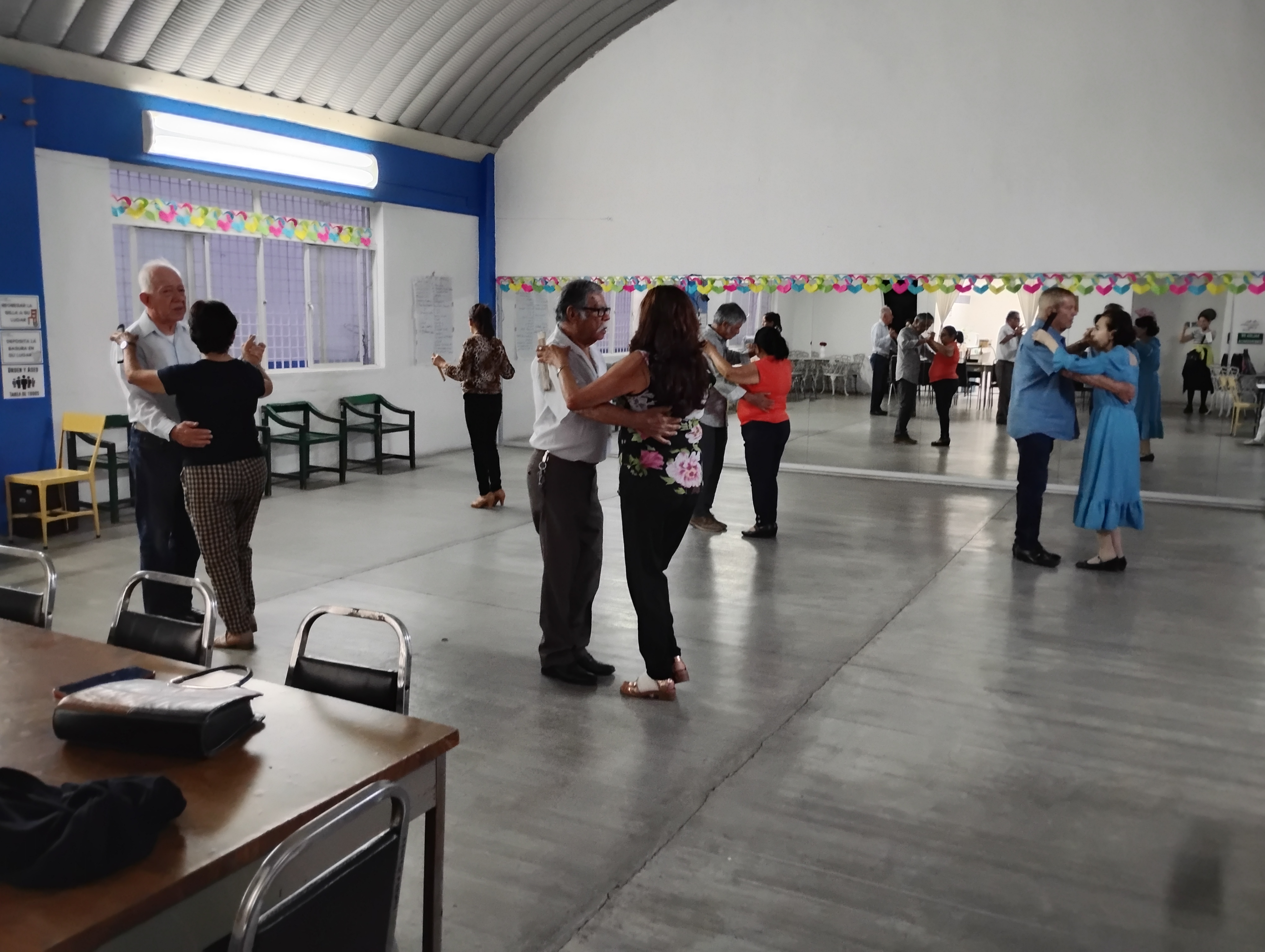
Club de la Tercera Edad is a public center for older adults run by CONACYT, the national counsel studying science and technology. When I arrived, there was a danzon class. Danzon is a Cuban music and slow dance tradition, immensely popular in Mexico and other parts of Latin America.

DIF and INAPAM Older Adult Activity Centers   Both DIF (Desarrollo Integral de la Familia) and INAPAM (Instituto Nacional de las Personas Adultas Mayores) are government run centers offering activities. They are separate entities but sometimes collaborate. DIF addresses entire family needs and is more about social protection of vulnerable populations. It offers adult daycare centers, psychosocial support, food programs, medical attention, recreational activities, and more. INAPAM is focused on older adult legal rights, transportation discounts, medical and cultural services.

On another trip I hope to meet Aguascalientes DIF director Aurora Jimenez Esquivel, known for her innovative initiatives including a popular travel program to visit nearby states known as “Gigantes Viajeros”. If you have access to Facebook, there are charming photos with older adults from Aguascalientes enjoying a trip at the FB page of Aurora Jimenez Esquivel. The link would not post when I loaded it here.

Señor Sebastian   As I made my way to the Panteón de los Ángeles y La Cruz, thirst led me to a sunlit corner store not far from the cemetery gates. There I met the venerable octogenarian you see in the photo whose warmth seemed to animate the whole neighborhood. With his son by his side, he presides over the store like a sage, sharing stories about local elders and aging in place. He graciously pointed me to the entrance of the cemetery. After wandering the peaceful grounds among small and large gravestones, I returned to thank him —feeling, in that moment, not just like a visitor, but welcomed to Aguascalientes. Memorable encounter.

Photos of the cemetery may be seen on an Aguascalientes Facebook page at: https://www.facebook.com/VivaAguascalientes/posts/pante%C3%B3n-de-los-%C3%A1ngeles-y-la-cruzaguascalientes-ofrece-una-gran-historia-en-relac/2168728129814822/

Assisted Living/Memory Care Residences

According to INEGI (the Mexican government statistics bureau) and Google, there are about 14 long-term care residences. (In Mexico long-term care is, with some exceptions, all in one – assisted living/memory care/nursing).

I focused on homes in the city center and visited seven to get a feeling for environment, providers, residents, and care.

Three assisted living/memory care homes had closed, one during COVID. Most places were basic, clean, modest, and dark, yet each with devoted caregivers. Residents in some homes seemed thrilled to have a visitor.

I was warmly welcomed at clean, efficient, light-filled Residencia de la Roble which houses 33 older adults including Mexican-Americans who prefer to age in their native Aguascalientes. Care costs are about $700/month USD (13,000 pesos/month) for shared rooms (there were two single rooms). Included in the fee: nutrition with customized diets, television and activities, laundry, medical care by the owner, a geriatrician, and most of all what appeared to be loving, energetic care by devoted nursing assistants. Note: Many Mexicans are accustomed to sharing space. The concept of privacy and your own room is often found with families who are well-off.

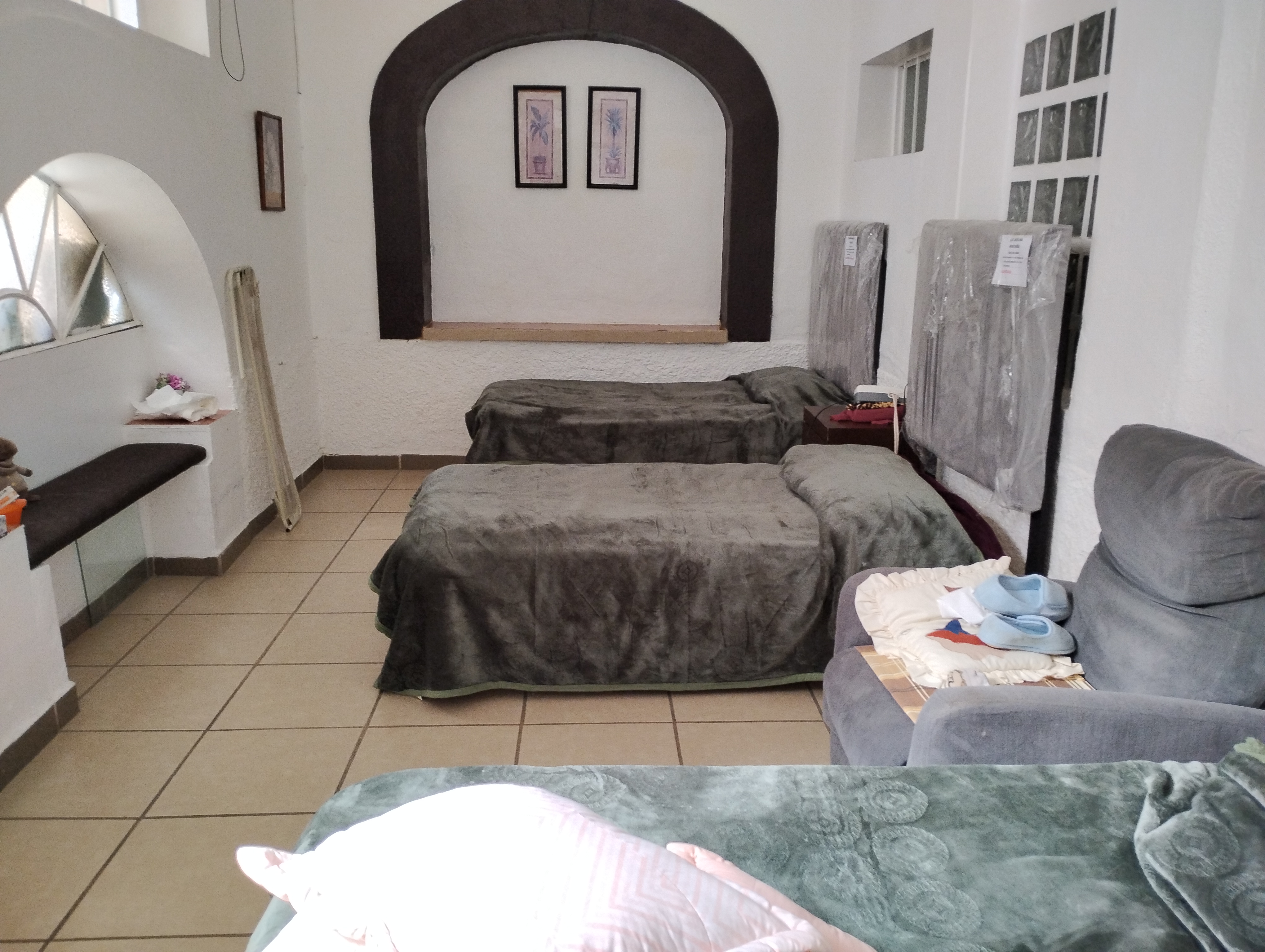
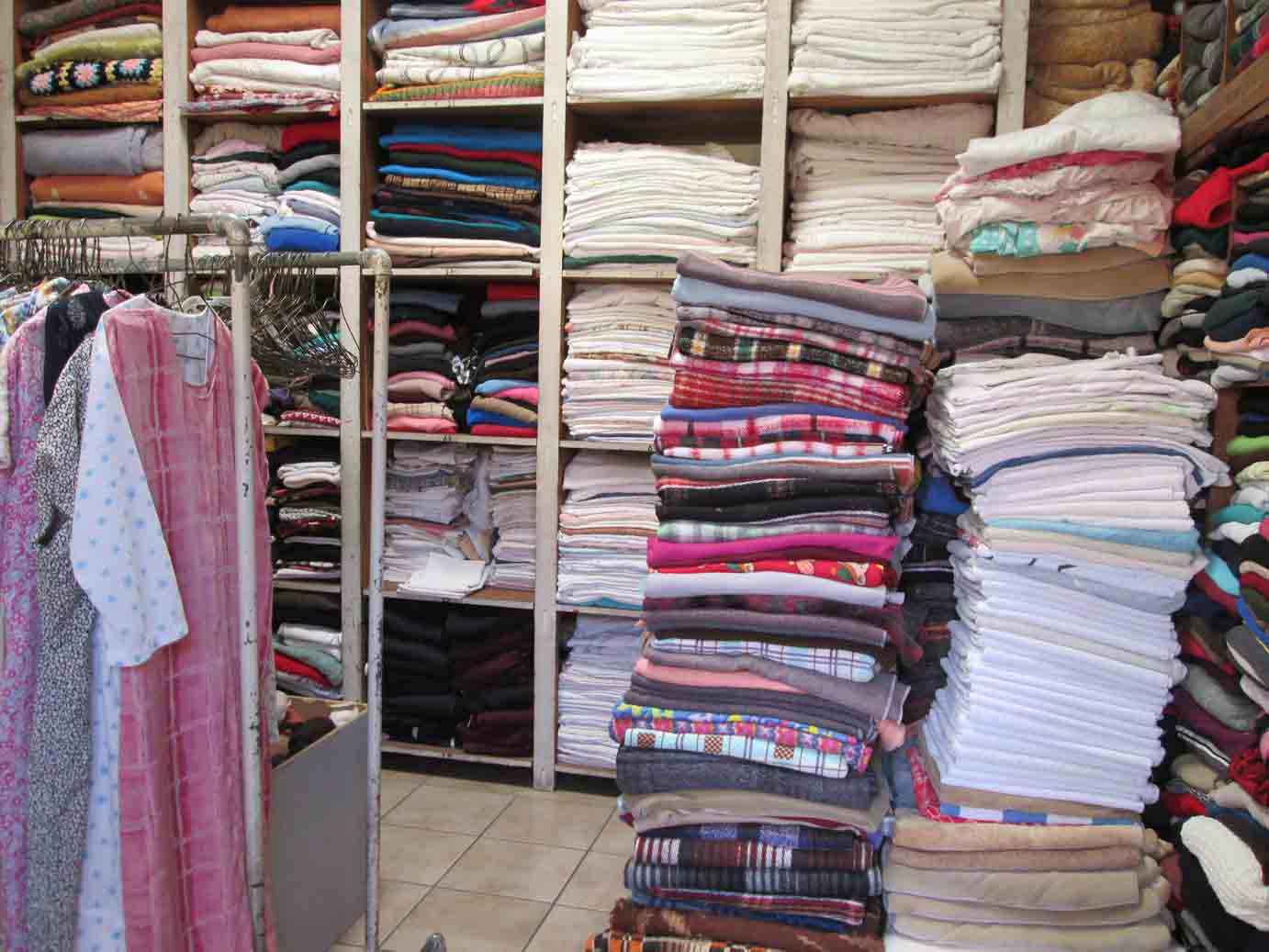
Here are photos showing a shared room with pristine, well-organized clothing and linen storage:

There is no website for Residencia de la Roble but you may find several photos of its high energy, activities, and sweet residents and caregivers on Facebook at Residencia para adulto mayor “El Roble”. https://www.facebook.com/profile.php?id=100064126566555

On my next visit I wish to tour Estancia Geriatrica Villas Juan Pablo as I had originally planned. It is a privileged residence in a park-like setting, also with lots of light, a few miles north of the city center. You will find photos at https://estanciageriatricavjp.com/  The environment reminds me of countryside care homes outside Quito, Ecuador – wood cabinetry, vistas of green meadows, tranquility. Under “instalaciones” there are photos of private rooms. The monthly prices at Villas Juan Pablo would be double, or more than double, the costs at Residencia de la Roble.

Note: prices for long-term care in the state of Aguascalientes are less than in the state of Jalisco (home to Guadalajara, Lake Chapala, and Puerto Vallarta). The Aguascalientes homes cater to local Mexican families.

Hospitals and Dental Care

Aguascalientes has an impressive medical infrastructure with hospitals both public and private.  Hospital MAC (there are two, one in the north the other in city center), Centro Hospitalario de Aguascalientes, Star Medica, Centro Medico la Salud, Hospital Cardiologica de Aguascalientes, Medica San Juan de Aguascalientes, Hospital Fundación Medica México Franco Brasileña plus a plethora of other options for specialized medical care as well as dentistry.

Emergency Care at Hospital MAC

The third night of my visit I awakened around 10-10:30 p.m. feeling tingling down my right side and leg. My first thought, oh no, not a TIA/stroke!! But I was able to speak. The sweet elderly man on night duty at the hotel suggested a taxi to the Red Cross. I wished for a hospital. I was super weak and dizzy yet decided to slowly walk to a nearby hotel. The night duty clerk there suggested Hospital MAC, a few blocks away.

There are about 30 MAC hospitals in the country. I had visited others and felt confident. I was especially encouraged because I could see the hospital tower from the front door of the hotel. I walked slowly but surely about four short blocks and made it to the emergency room. A nurse promptly greeted me, took my name, invited me to a room, took my vitals. I was then escorted to meet Dra Nancy originally from Mexico City and a graduate of UNAM. She was amazing – attentive, kind, professional. A thorough assessment of eyes, strength in arms and legs, heart, walking etc. Thankfully I was going to be okay. I was dehydrated (first time ever and quite a lesson) and had a bit of heat stroke from walking in the sun from early morning to sundown. The hospital experience was a gift, and I remain grateful to all who assisted and cared for me at the hotel as well.

Palliative Care and End-of-Life Care

Pain relief for life-limiting illness is offered by 14 anesthesiologists with palliative care credentials at hospitals and clinics. Two of the physicians drive from Guadalajara. According to a list of medical providers, there are 20 geriatricians. In-home pain relief for end-of-life is offered by at least two geriatricians.

All assisted living/nursing homes attend to end-of-life.

One residence, Hogar del Abuelo Maty, was founded with supportive end-of-life care in mind. It is in the countryside one hour to the northeast of Aguascalientes.

The home, opened in 1981, is named in remembrance of Matilde (Maty) Dubroy de Villanueva who was accompanied at end of life by her daughter Carolina Villanueva de Garcia. The profound experience inspired Señora Carolina to build the hogar where every elder could have a dignified death with compassionate, personalized care. 

The current administrator of the non-profit is the founder’s son, Carlos Garcia Villanueva. Care is provided by nurse nuns of St. Vincent de Paul. The nuns have a long and rich history of companioning the infirm and those at end-of-life. The website with photos and videos reveals more:  https://www.hogardelabuelomaty.org/

While I did not encounter any modern-day end-of-life doulas in Aguascalientes, Mexico, non-medical, psychosocial spiritual support has been a community tradition for centuries. Local women known as “parteras” assist not only with birth but have a significant role supporting families and individuals during the dying process.

Funeral Home Arriaga 

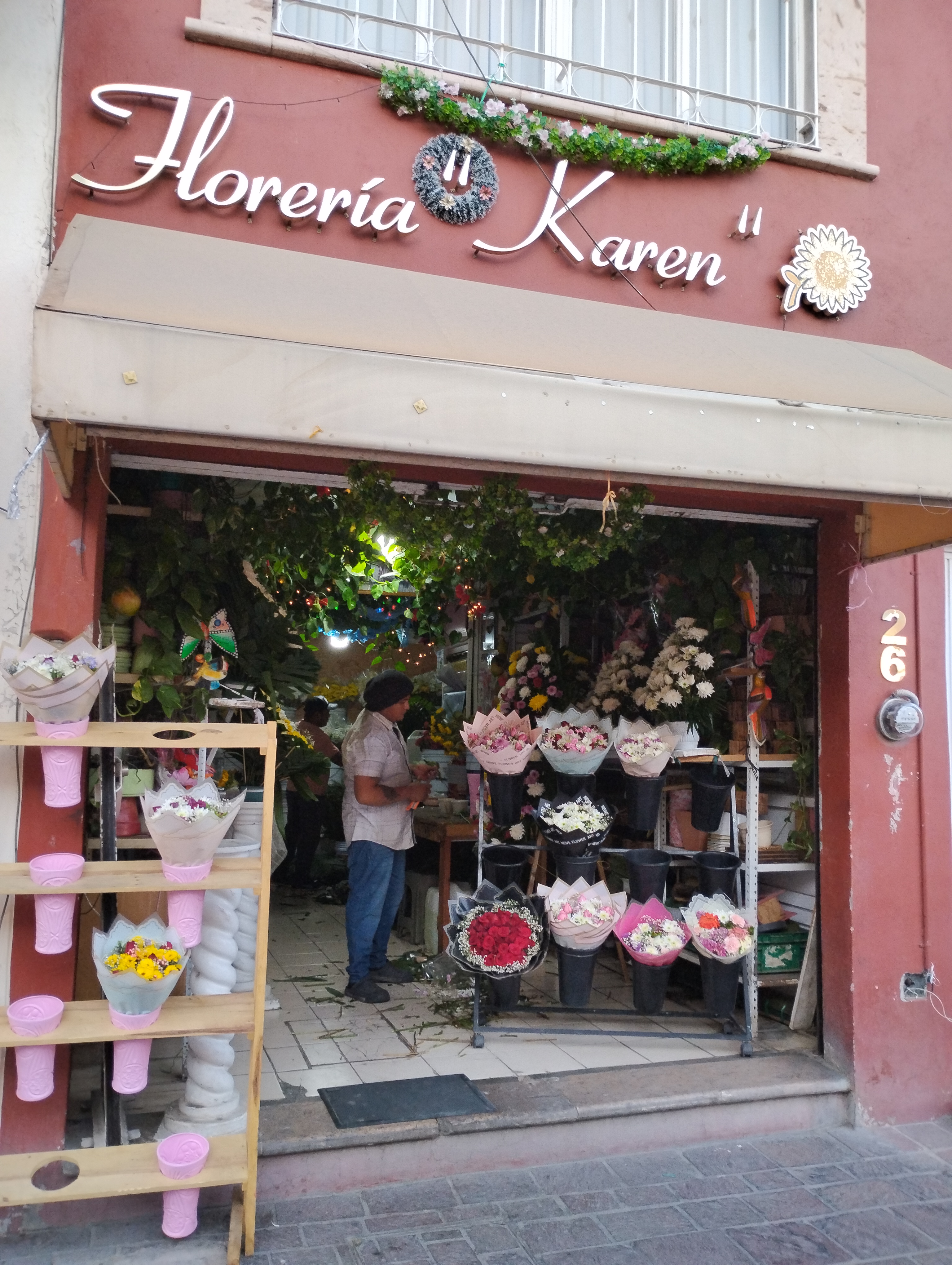
Toward the end of each day, I passed Funeraria Arriaga on the way to my hotel. Families waited inside where there are four viewing rooms and a place to sit and sip coffee or tea. Or, they waited in front of the building. There is a florist across the street.

Most Mexicans choose burial in a coffin. For those who choose cremation, the cost with this funeral home is between 9,000 and 20,000 pesos ($470 to $1000 USD) depending on whether there is a memorial service. According to Funeraria Arriaga there is no refrigeration in Aguascalientes but there is embalming. (Refrigeration is possible in Jalisco to create time for family members arriving from far away to view the deceased). The Boinita Group advertises green spaces for cremains (ashes) in Aguascalientes as well as Cancun, Hermosillo, Merida, and San Luis Potosi. https://boinita.com/en/green-niches-of-funerary-forests-in-mexico/

National Museum of Death

The museum, which opened in 2007, exhibits death-related artifacts from pre-Hispanic times to the present from the personal collection of Octavio Bajonero Gil. The 2,000 or so items include sacred religious paintings, sculptures, objects d’arte, and more. They are displayed in three connected buildings of a restored 17th century convent that once housed Franciscan monks. The property is now owned by the University of Aguascalientes.

My experience was not of the macabre. Some items show the unique Mexican sense of humor.

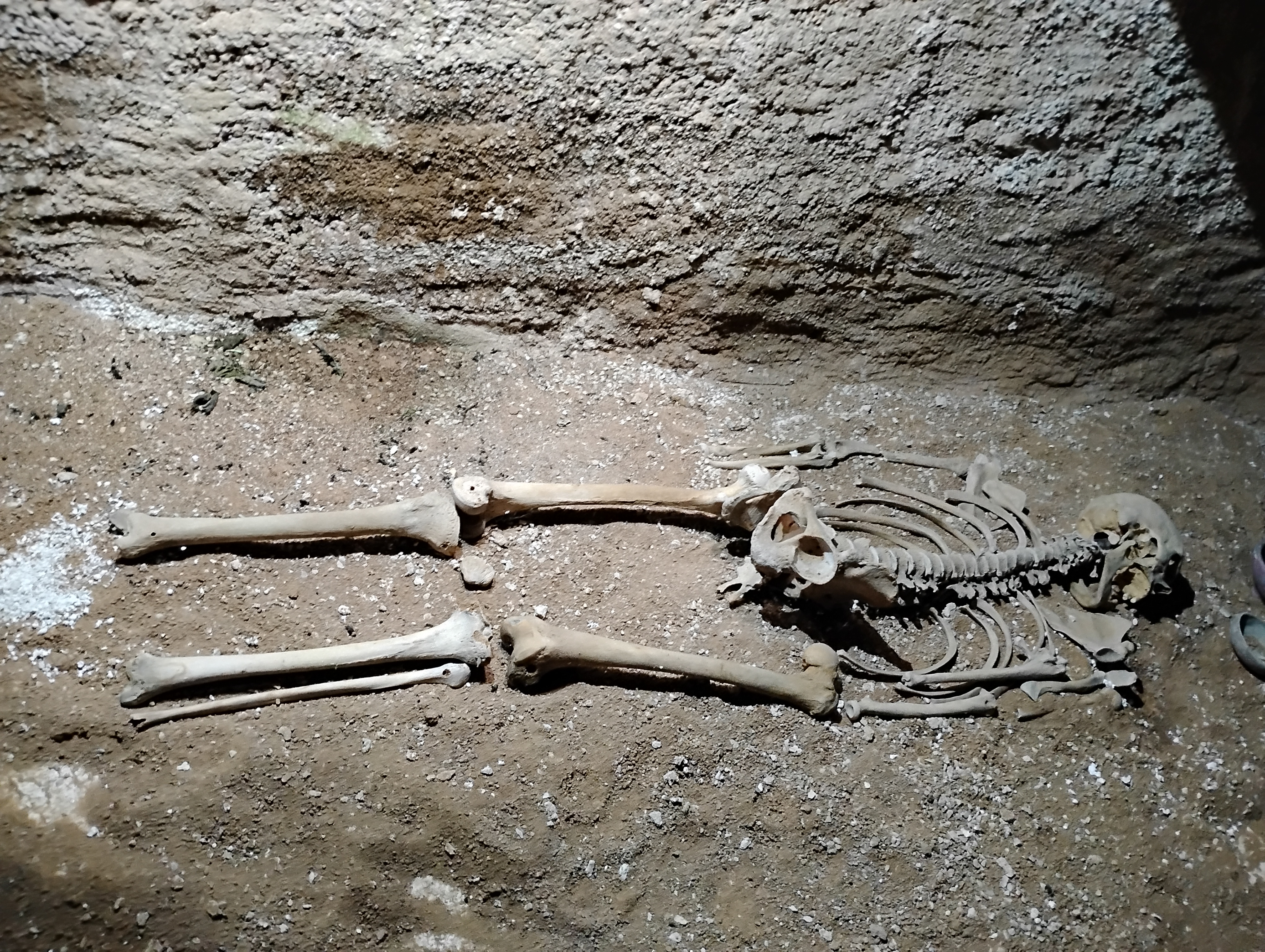
At the entrance of the museum is a gift shop where you pay an entrance fee of 20 pesos ($1 USD). It takes 45 minutes to an hour for a self-guided tour. If you are lucky you will have university student Antonio accompany you to the basement to see reconstructed gravesite remains. The photo below was taken in the basement:

Later, multi-lingual Jesus from Mexico City who delighted me with his Italian might lead you through the floors and buildings.

The Instagram video at this link shows more items displayed in the museum: https://www.instagram.com/reel/C-Ag-HsgAFv/

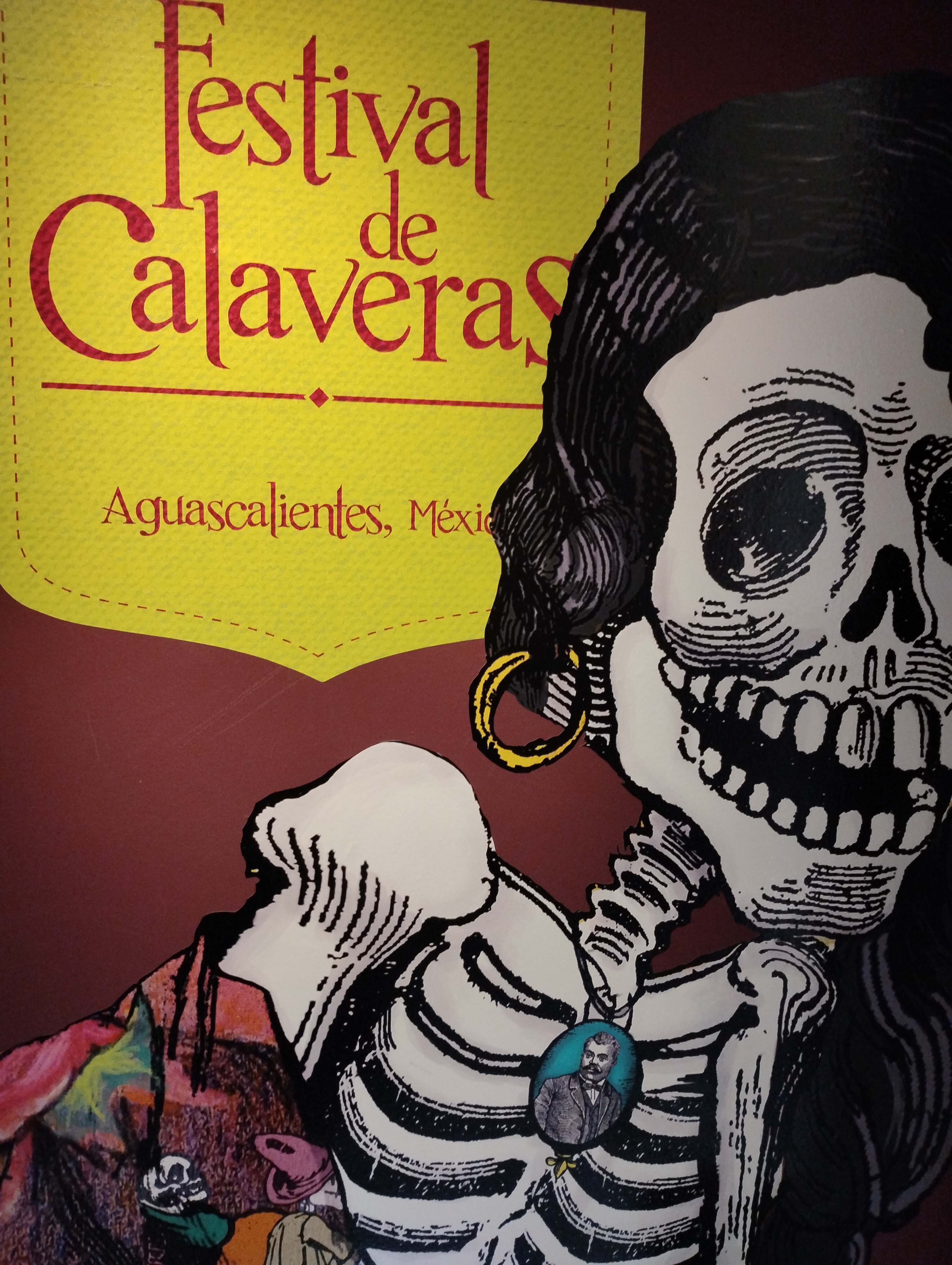
The museum produces 200 or so events per year including the October/November Day of the Dead Celebrations.  At the writing of this post the calendar of events for the 2025 Annual Festival de Calaveras (skeletons) has yet to be posted.

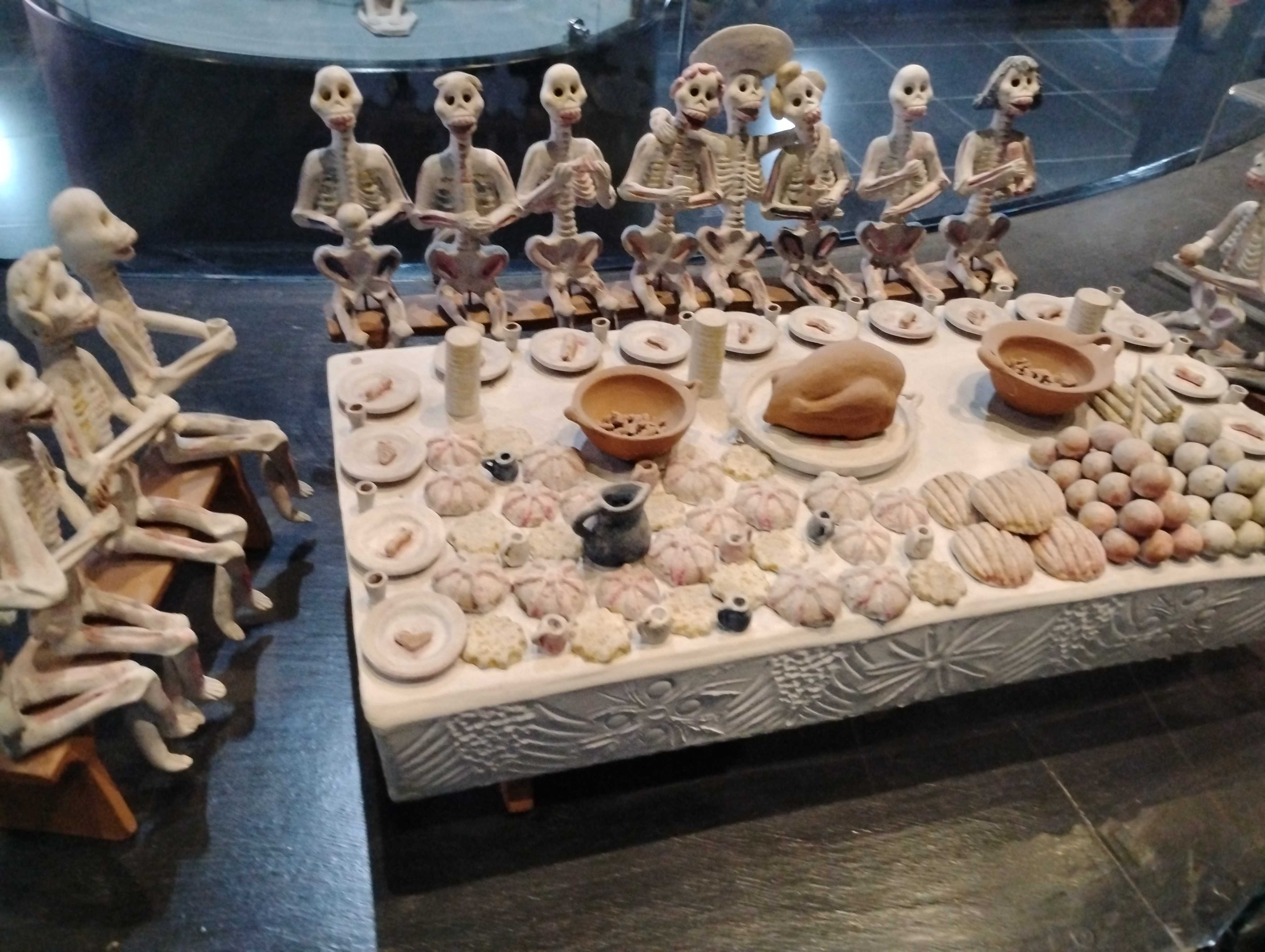
Museo Posada This museum is dedicated to the collected works of Aguascalientes native Jose Guadalupe Posada (2 February 1852 – 20 January 1913), a political satirist/caricaturist, engraver, and printmaker known throughout Mexico as the father of La Calavera Garbancera/La Catrina, a female skeleton dressed to the nines that is seen each year at Dia de los Muertos/Day of the Dead ceremonies. During the presidencies of Portfirio Diaz (1876-1911) Posada introduced skulls and bones as political and cultural critique. La Catrina indicates death comes to all, including politicians and the super wealthy. Here below is a Catrina from the Museum of Death:

Photos of the museum and its contents may be seen at this link: https://ags.gob.mx/turismo/conocemas/museoposada/index.html

©  All rights reserved. Wendy Jane Carrel 2025

Wendy Jane Carrel, MA, is a trusted older adult advocate and consultant who has many years of hands-on experience with healthcare systems, retirement options, senior living and wellness programs in Mexico, Ecuador, Italy, the U.S., and beyond. She provides culturally sensitive transition guidance and curated options for families and elders domestically and internationally. Wendy’s web site is https://www.WellnessShepherd.com

Resources

https://en.wikipedia.org/wiki/List_of_states_of_Mexico

https://en.wikipedia.org/wiki/Aguascalientes_(city)

https://en.wikipedia.org/wiki/Jos%C3%A9_Guadalupe_Posada

https://www.hospitalesmac.com/  MAC Sur, Aguasacalientes, República de Perú 102, Las Américas, 20230 Aguascalientes, Ags., Mexico    Open 24 hours

https://www.atlasobscura.com/places/national-museum-of-death

https://www.youtube.com/watch?v=01-n8TduhkM   Mariana Lange’s Mexico Relocation Guide

https://roadtrippers.com/magazine/10-macabre-museums/

Aging in Place Mexico, Assisted Living Mexico, Death in Mexico, Older Adults Calvillo Mexico

Mexican Pueblo Magico (Magical Town) Aging in Place/Aging in Community, Calvillo, Aguascalientes

It is a gift to travel.

In Mexico I have enjoyed exploring Pueblos Magicos (magical towns) from Alamos (Sonora in the north) to Izamal (Yucatan in the south), learning about Aging in Place/Aging in Community (which most Mexicans do), healthcare, and end of this life traditions.

Magical towns are designated by the Mexican government SECTUR (Mexican Tourism Board) as part of “Mexico desconocido” or unknown Mexico – towns or villages representing the cultural diversity of the country.

Below is a photo along the malecon adjacent to Rio Calvillo (the river) near the entrance to Calvillo a pueblo magico in the state of Aguascalientes.

I recently had the pleasure of visiting Calvillo, Mexico’s leading producer of guavas. There is far more to meet the eye than guavas, and, there was that feeling of magic.

What immediately struck me on arrival at the bus station was how clean the streets are (no trash, no stains), how flat the city is (mostly), how safe and flat the sidewalks are, how immediately friendly the people were, and how unpolluted the air seemed. It was a breezy, sunny weekday.

Just a few minutes away, down Calle Jesus Gomez Portugal to the left of the hallway exit, I stopped outside a space flooded with light and inviting aromas. A local restaurant, Gorditas Jenny. Smiling ladies beckoned me to enter for a look see. Fresh, unadulterated breakfast food in an immaculate setting served from 8:30 a.m. to 1 p.m. Yes, I tried it and wish to return! Thank you, ladies!!

The Casa del Abuelo (grandparent’s home), a DIF (government) day center for older adults which opened in January 2024, was the next stop. In the link below you will see a photo of the entrance: https://www.elclarinete.com.mx/inauguran-la-casa-del-abuelo-en-calvillo/

Again, a warm and welcoming reception on arrival. The center offers painting (part of a program called “pintemos la magia de Calvillo” – let’s paint the magic of Calvillo), tai chi, chair exercises, handicrafts, carpentry, meals, trips, and resources for aging. In the following short you will hear precious elder Salomé Salas, a 94-year-old, joyfully share in Spanish why he loves the center, and you’ll get a glimpse of some of the activities. https://www.facebook.com/reel/3714970688791551

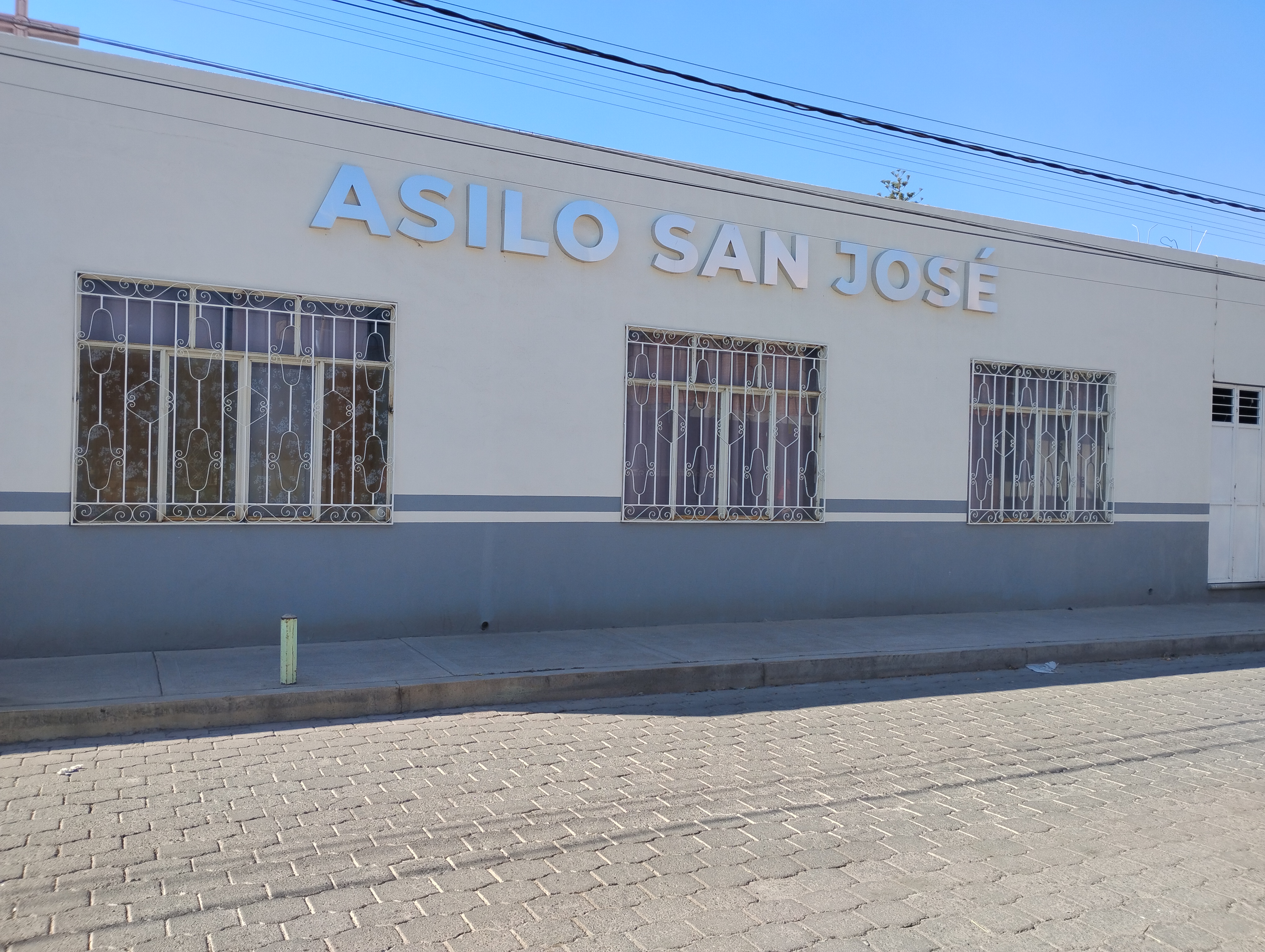
Asilo San José (originally Asilo de Los Ancianos Señor San José) is the only assisted living/nursing home in Calvillo. It was founded by the Catholic church and a group of locals and continues to be supported by the church, the locals, and a group of Mexican/Mexican-Americans from Santa Paula, Ventura County, CA, “citrus capital of the world.” As with many Mexicans who emigrate to the U.S., folks from Calvillo and surroundings send funds or return home to support the local community. Those who were born here often prefer to return to die or be buried.

Front of the Asilo San Jose Assisted Living/Nursing Home in Calvillo below.

Over 50 residents, men and women, reside on the spacious campus with three sections of housing. Most rooms are shared, two to a room. When I arrived, elders in wheelchairs were accompanied from mass at the chapel back to their rooms or recreation hall. I met with lovely assistant administrator Maria who graciously showed me the living quarters, the perfectly organized laundry and wardrobe area, the dining area, the meds room, and the offices. We agreed I would not take any photos. I was grateful to feel a sense of attention and care from her and the support staff as they looked after their charges. Without spending more time, or talking to community members, it is difficult to assess more. What was clear, however, is that the residence was welcoming and the residents clean, smiling, and mostly disabled, one severely disabled/bed-confined with an attendant. Each required round-the-clock care perhaps not possible in their homes. Below is a link to a video filmed 10 years ago which offers an idea of the environment, now re-painted and more lively.

https://www.youtube.com/watch?v=x0dbLLBaQ4g

Medical care

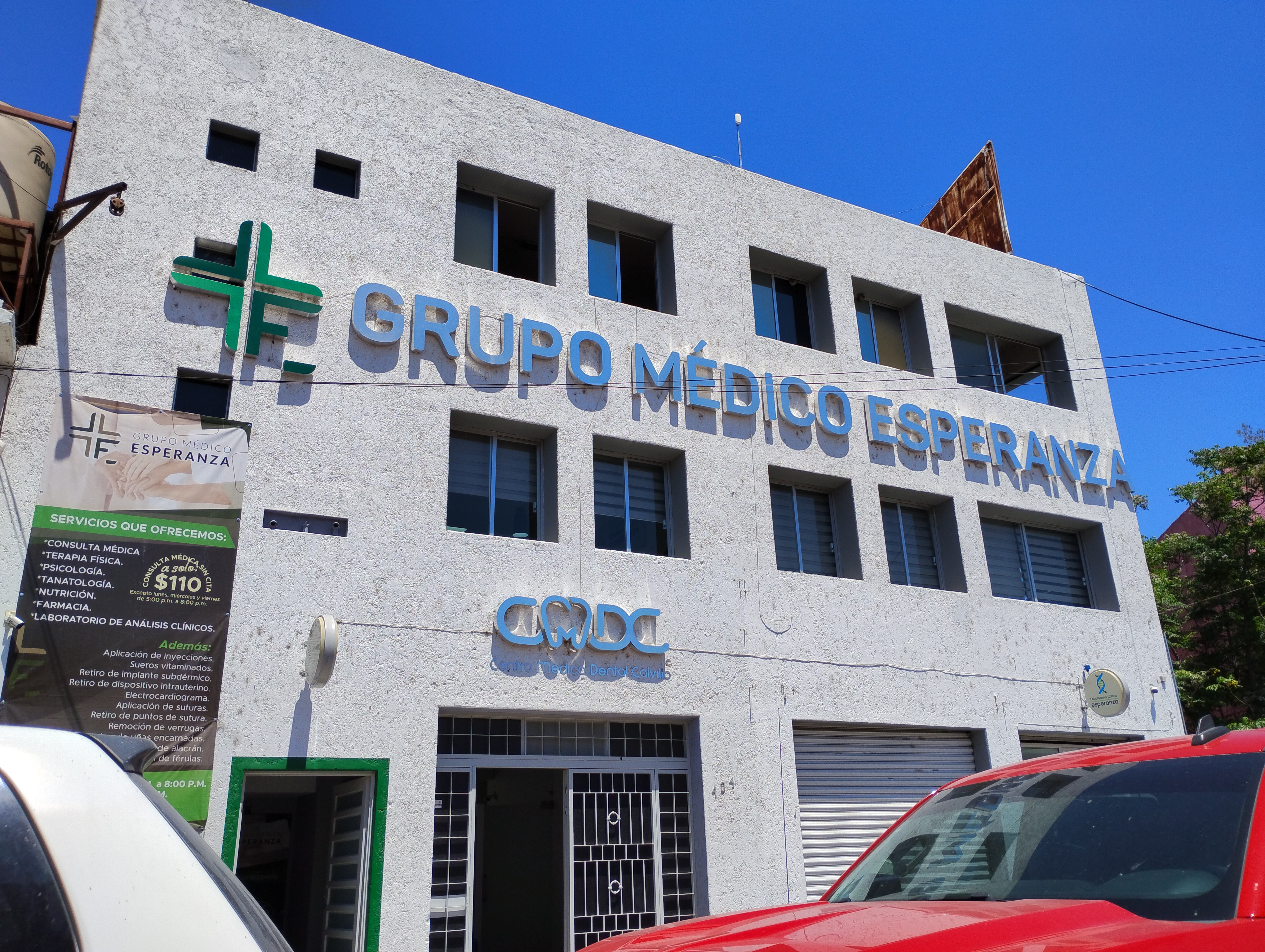
There are three small hospitals in town: Hospital General de Calvillo, IMSS Unidad de Medicina Familiar, and the Clinca del Valle. I was unable to manage site visits, but I understood from locals that for more serious medical challenges some folks go to Aguascalientes an hour away by car or bus. I noticed medical and dental offices in the city center.

Parrochia del Señor del Salitre 

The beautiful baroque parish church has three magnificent domes adorned with frescoes. It is dedicated to the patron saint of the city, Lord of the Saltpeter. According to city legend a group of older adults saw a miraculous appearance of the Lord on the parish spot before the church was built around 200 years ago. The colors inside are gold, light pink, and light blue.

The people of Calvillo appear to be deeply religious.

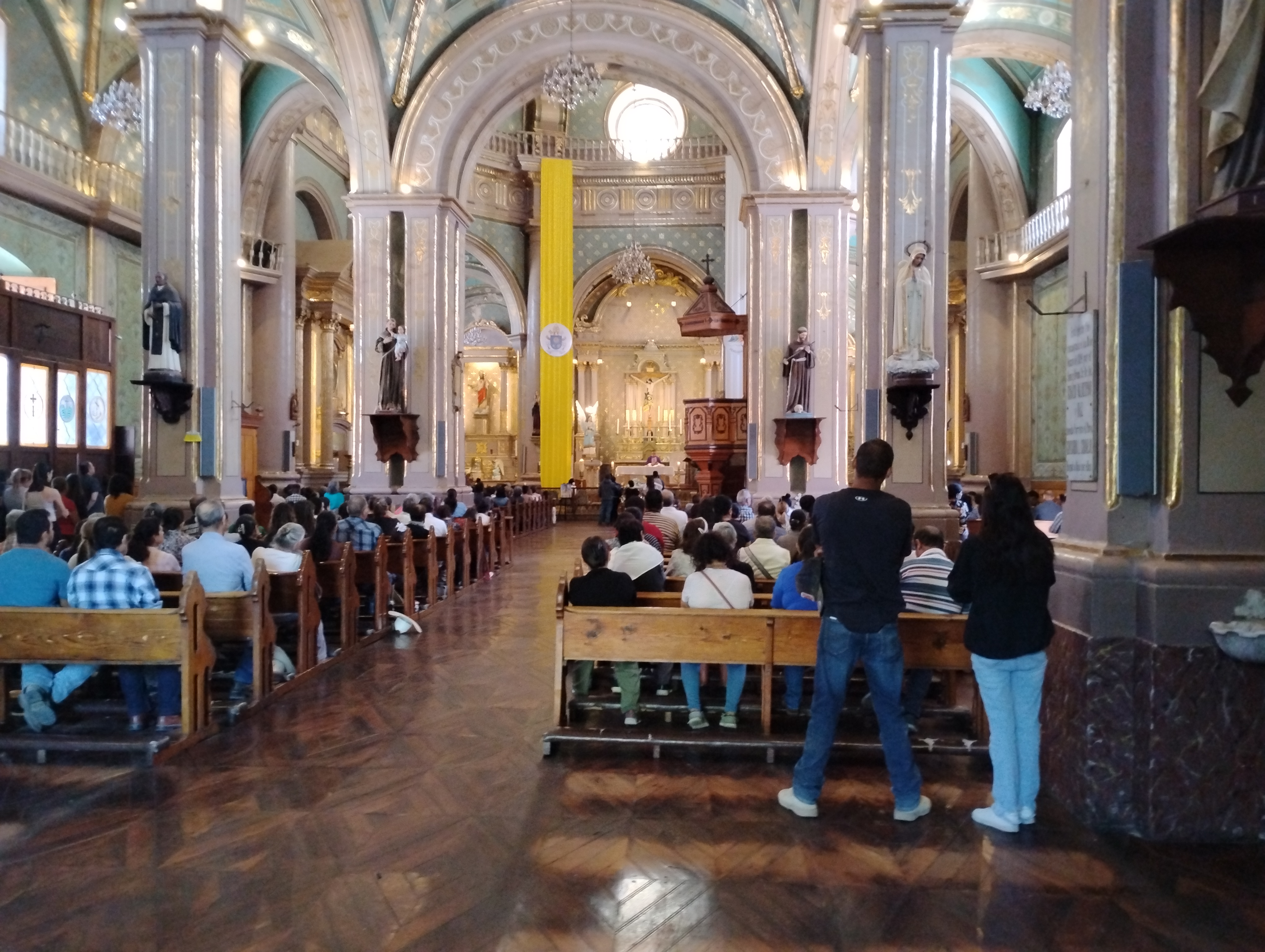
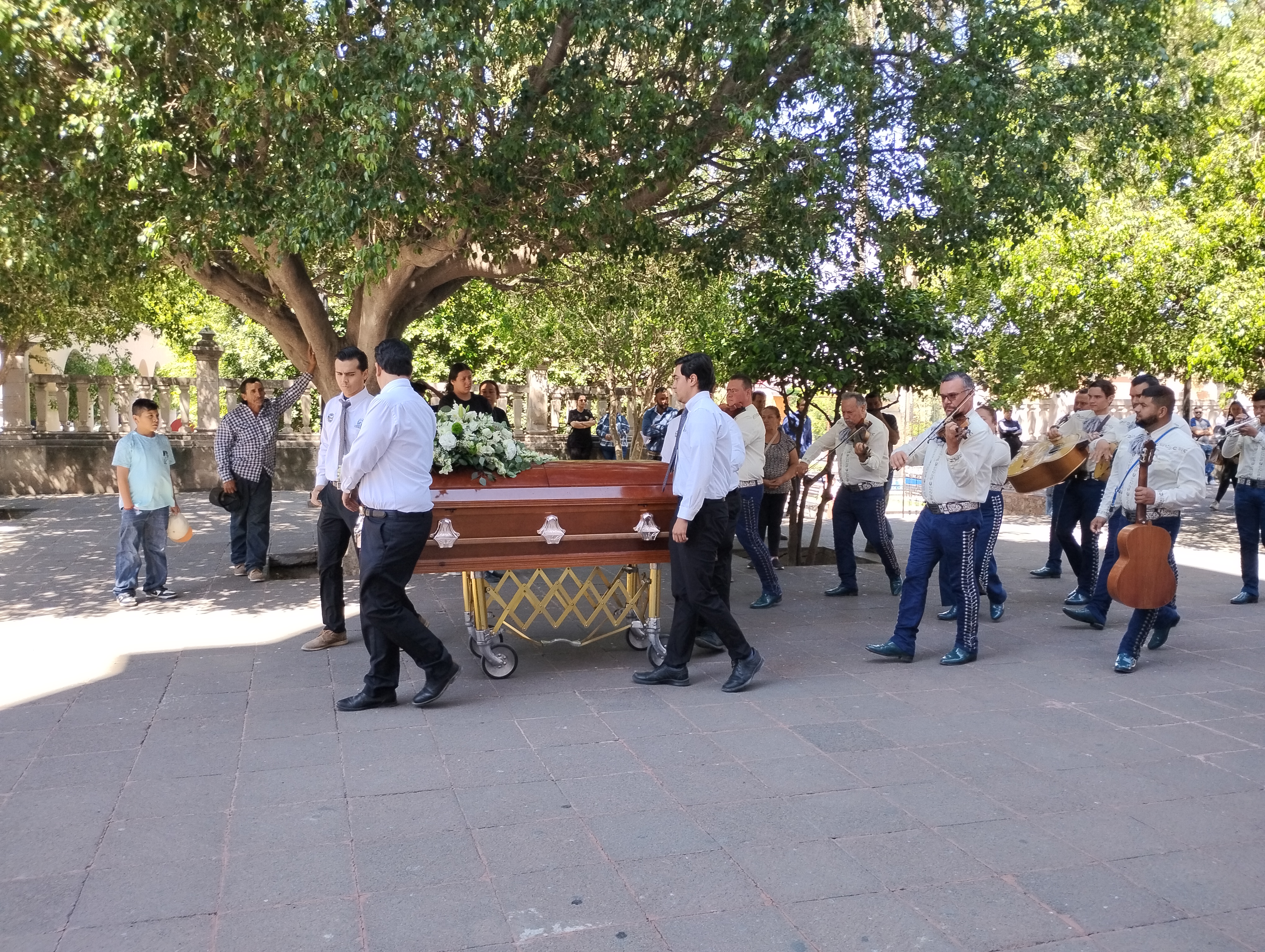
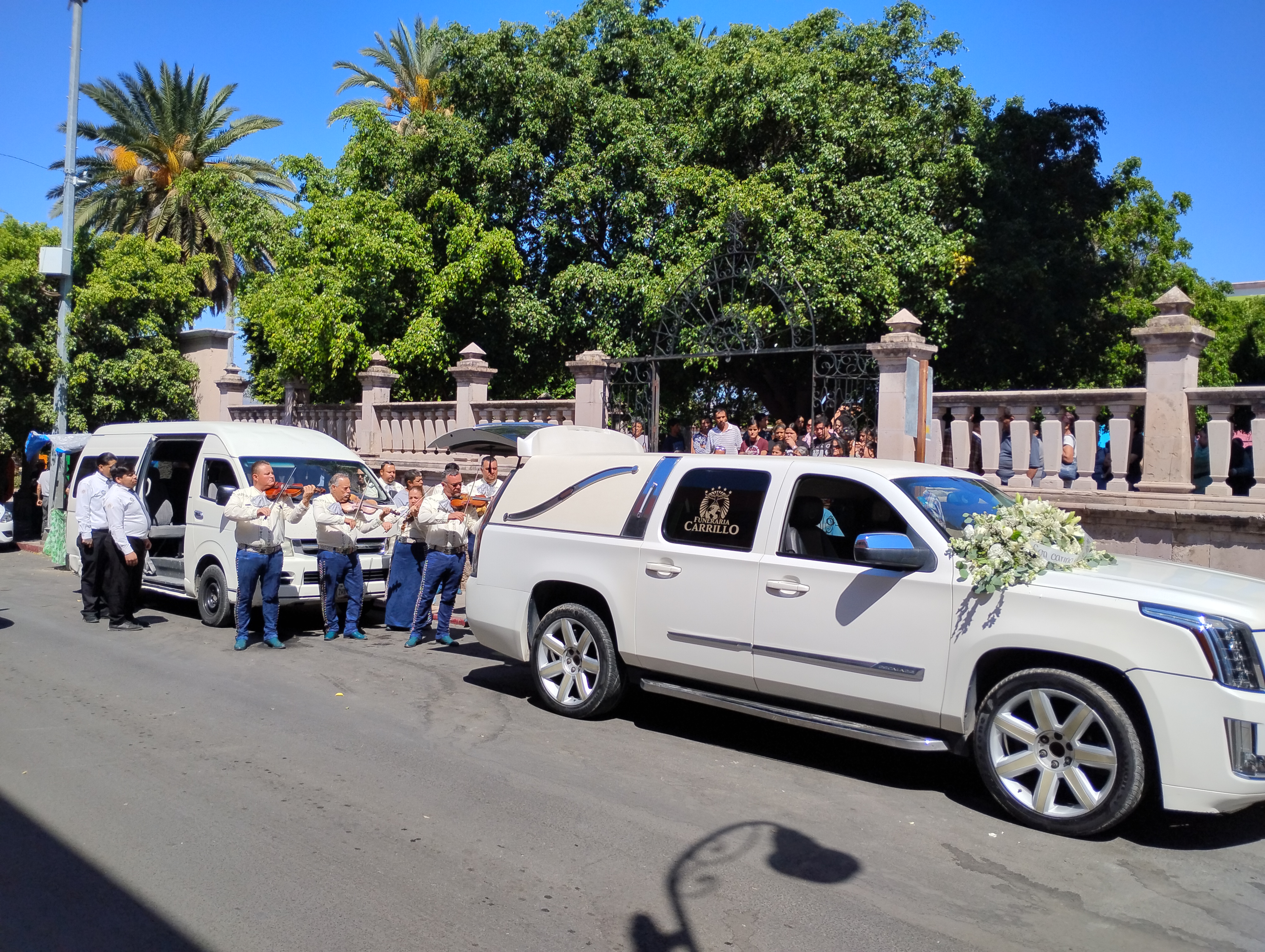
It was a remarkable synchronicity that I arrived at the church in time to attend mass for a beloved older woman. The church was full. I stood in the back. Mariachis waited at the exit. After the mass they accompanied the woman’s casket to a waiting car.

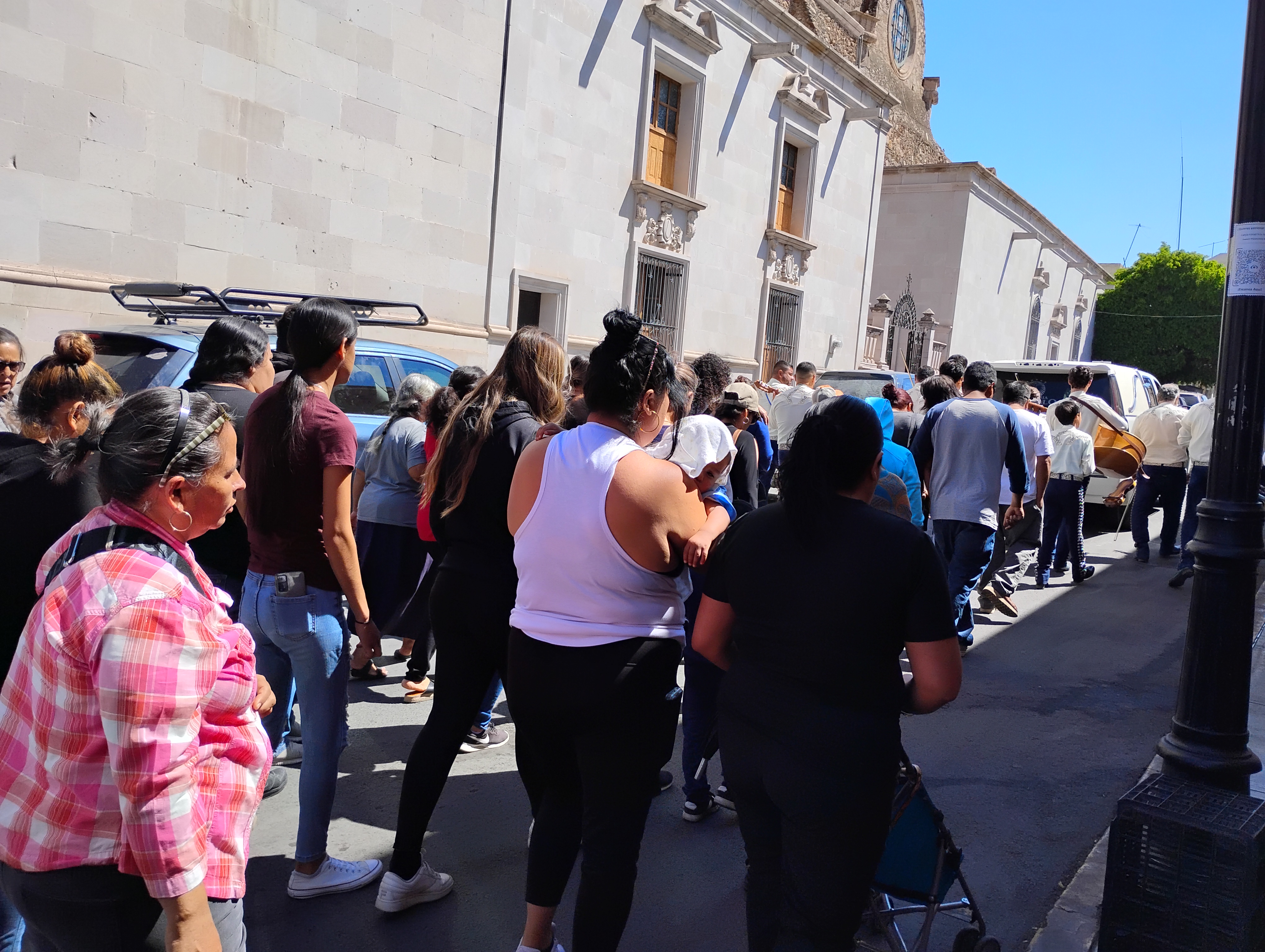
The woman’s family sat in the van behind the white hearse. Music played for blocks around the church and down Avenida Revolucion to the Cemeterio Señor del Salitre about a mile away.

The gentle words of the priest at mass, the reverence and grief of the attendees, the mariachis, and the atmosphere were deeply moving. I was simply a bystander. My eyes and heart welled up with tears off and on. A blessed experience. I am thankful to the fellows from Funeraria Carrillo who shared some of the details.

National Museum of Magical Towns  It was a nice surprise to walk down Avenida Benito Juarez in the afternoon and discover this beautiful museum which I did not know existed until I walked by!!

There are 177 magical towns in Mexico’s 32 states. The museum showcases folklore, cuisine, handicrafts, and traditions from eight regions. You may learn more about the museum at this link: https://magicaltowns.mx/atractivos/museo-nacional-de-pueblos-magicos/  

The photo below features a piece in the museum from Morelos, Mexico, representing the creation of man, community, and the universe.

Conclusion:

Magical town Cavillo, with a population of around 60,000, is clean, inviting, and well-organized and worth a weekday visit. It is apparently crowded on weekends and on festival days.

Its streets are flat, its sidewalks comfortable for walking. In a few places there are hills. It sits alongside the Rio Calvillo.

Aging in Place/Aging in Community seems a lot easier in Calvillo than in larger Mexican cities, especially if you are not of high income. There is local social support and love energy.

Resources:

https://www.lugaresturisticosenmexico.com/en/calvillo-aguascalientes-mx/

https://www.instagram.com/p/C2nT344Re1v/  inauguration day at Casa del Abuelo, Calvillo, Aguascalientes

Moving to Mexico, Pueblos Magicos Mexico, Retirement in Mexico, Senior Living Mexico

Mexican Initiative Pueblos Magicos and AMAR Encourage Tourism and Moving to Mexico at Southern California Event

Feeling excited to be included on two panels at a Mexican government Pueblos Magicos/AMAR event in Los Angeles, Friday September 22, 2023, at the Shrine Auditorium to talk about Moving to Mexico. My focus will be senior housing and healthcare options, among other subjects.

Pueblos Magicos are “magical pueblos”, 177 small towns in 31 Mexican states. For the most part they are charming Mexican villages that represent Mexico’s cultural heritage and traditions, some with historical relevance.

As a lovely synchronicity, I have enjoyed one pueblo magico on and off for several years, Ajijic at Lake Chapala, one hour south of Guadalajara in Jalisco state.

Javier Govi, Founder and CEO of AMAR (Asociacion Mexicana de Asistencia en el Retiro), the Mexican Association of Retirement Communities, is producing and moderating the panels.

Here is the AMAR marketing for two of the invitees, do not know who else will be present. Looking forward to participating!

AMAR, founded in 2007, is a national Mexican non-profit organization committed to educate and collaborate with Mexican government regulatory agencies and business executives in Mexico and North America on the potential of the senior housing industry in Mexico.

For more information on AMAR go to http://www.amar.org.mx, write info@amar.org.mx, or call San Diego, CA number (619)564-4007.

The Shrine Auditorium is at Figueroa and Jefferson Blvd in downtown Los Angeles near the campus of USC. https://www.shrineauditorium.com/ The event is free.

Wendy Jane Carrel, MA, is a Spanish-speaking senior care advocate from California. She has travelled Mexico for 20+ years researching health systems, senior care, and end-of-life care to connect Americans, Canadians, and Europeans with healing options for loved ones. She is a speaker and published author on subjects related to senior well-being. Wendy’s web site is https://www.WellnessShepherd.com

Resource:

https://en.wikipedia.org/wiki/Pueblos_M%C3%A1gicos

Assisted Living Mexico, Costs of Care Mexico, Nursing Homes Mexico, Senior Care Mexico

Assisted Living with Nurse Nuns in Mexico

If you are a resident of Mexico or an about-to-be resident, is Assisted Living with nurse nuns an option to consider if you might need care?

The short answer, for some folks, may be yes.

How many residences in Mexico are Catholic non-profits and where are they located?

According to a 2018 report, INEGI (the National Institute of Statistics and Geography), there are under 900 assisted living communities in Mexico, 85% of which are in the private sector. The remaining 15% are Catholic non-profit residences, other non-profits, or DIF (Desarrollo Integral de la Familia, loosely translated as Integrated Development of the Family) government homes.

Residences are in every state and most large cities. For example, in Guadalajara, Mexico’s second largest city, there are approximately 35 assisted living homes. Of those 35, six are run by five different orders of nurse nuns, one order has two homes.

What may you expect under the care of nurse nuns?

The answer depends on the order of nuns, their mission, the location in Mexico, the resources of the home, how the home is supported by the Archdiocese, volunteer staff, the community, and more.

Historically nuns (and originally monks) were caregivers, nurses, purveyors of healing remedies as herbalists, and suppliers of prayers and psychological support for the ill. They met folks at homes, hospitals, and on the grounds of their wealthy benefactors first in Europe, then the Middle East (aiding crusaders), and later in Latin America beginning around 1540.

Some homes have inviting colonial entrances. Others are newer homes.

Asilo Brunet Celerain, Merida, Mexico

Ancianitas de Santa Clara de Asis, A.C was opened by Franciscan nuns in January of 2018 at San Pedro Tesistan, Jocotopec, Jalisco, Mexico. The order of St. Francis of Assisi first came to Mexico in 1955. They have a hospital in Guadalajara. Several expat volunteers at Lake Chapala invest time and love energy to support the home.

Homes tend to be clean and organized with immaculate kitchens, dining rooms, and laundry rooms. “Cleanliness is close to Godliness” seems to be a motto most nun administrators, usually known as “Madre Superiora”, and the Sisters “Hermanas” live by.

Asilo de los Desamparados, A.C. linen room, Guadalajara, Mexico

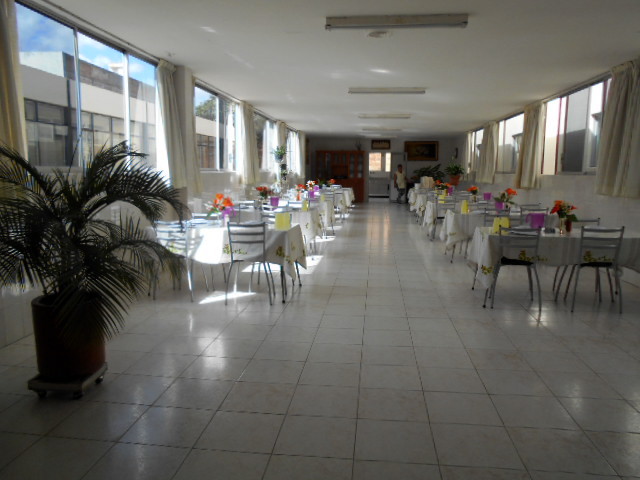
Women’s dining room Residencia San Jose, Zoquipan, Guadaljara, Mexico
Men’s dining room Residencia San Jose, Zoquipan, Guadalajara, Mexico
Women’s dining room Asilo Brunet Celerain, Merida, Mexico

Food will invariably be Mexican, unlike continental cuisine found at some private pay homes with foreign residents.

Most homes are for women only, some are for men and women.

Residencia San Jose exercise class for men and women, Guadalajara, Mexico

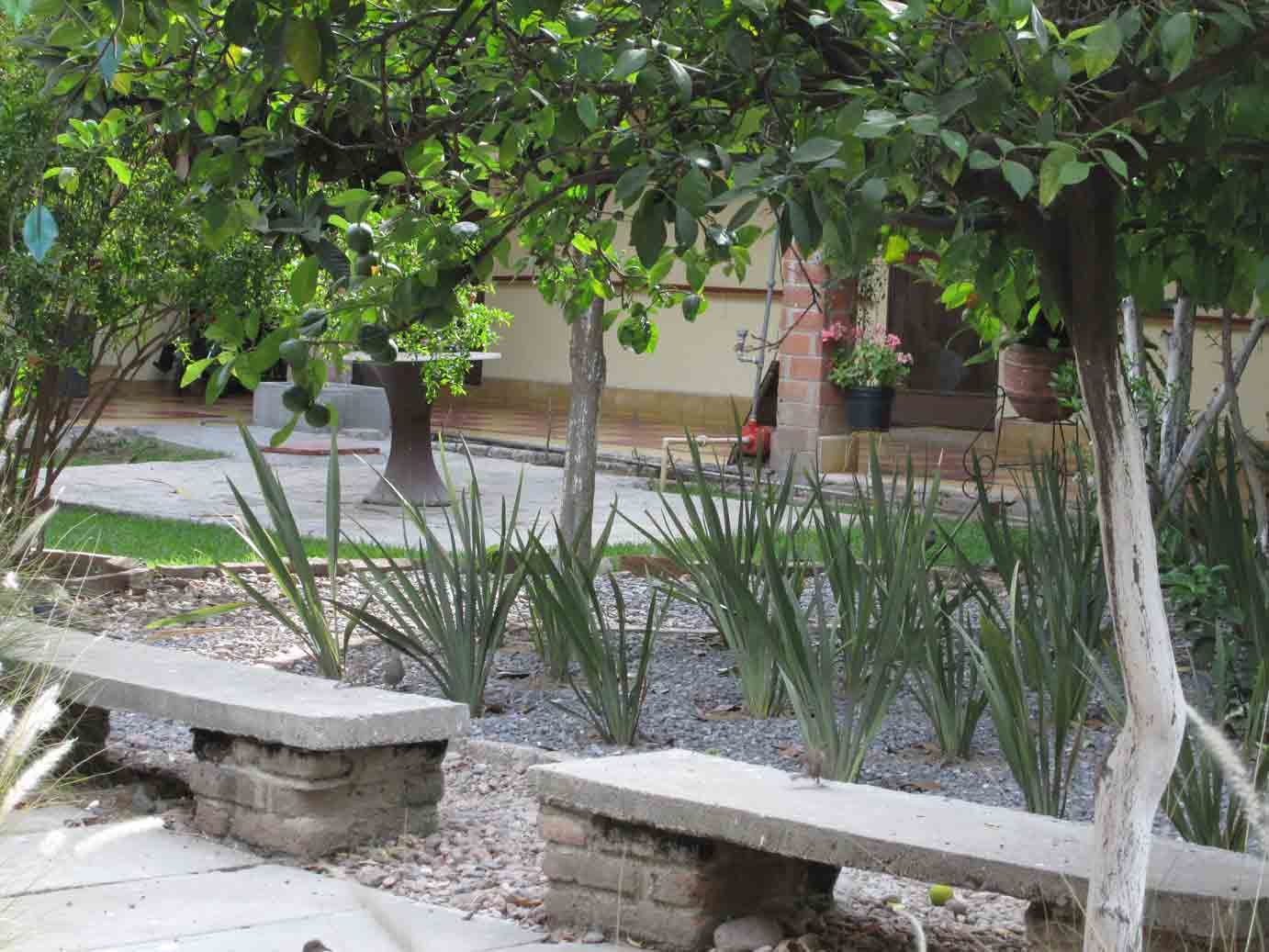
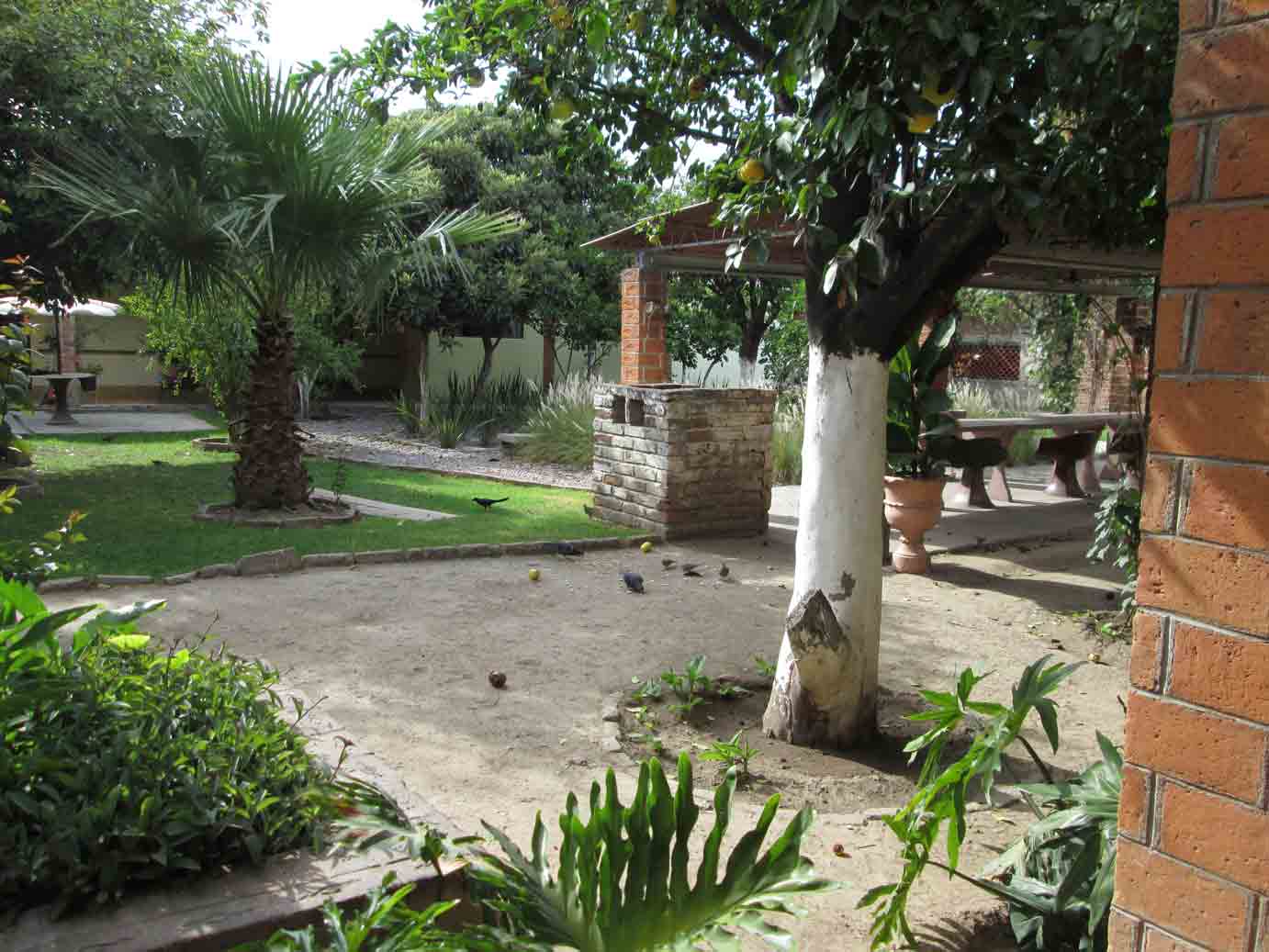
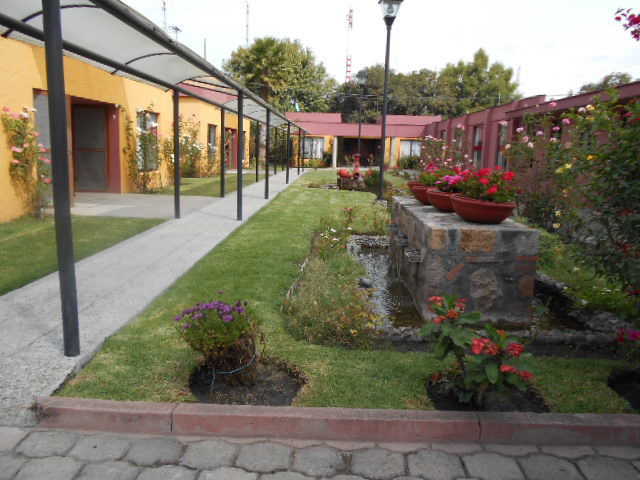
Environment is important. Properties with trees, gardens, places to stroll or sit in the sun or shade are common. Places for meditation and prayer are common, including of course a campus chapel.

Casa Hogar San Vicente inner garden, Lagos de Moreno, Jalisco, Mexico

Casa Hogar Tepayac inner garden, Leon, Guanajuato, Mexico

Casa Hogar Tepeyac inner garden, Leon, Guanajuato, Mexico

Gardens at Residencia San Jose, Zoquipan, Guadalajara, Mexico

The language will usually be Spanish. Some nuns speak English. Nuns in Mexico are from Mexico but also from Africa, Europe, parts of Asia, and other countries in Latin America.

Quality of care. Mexicans in general are known for compassionate care, nurse nuns as well. Nuns have centuries of lived experience and tradition in the art of care. They are educated to serve vulnerable populations, especially older adults. They make sacrifices and overcome many challenges to help all. They show up daily and with attention. Since they have no children, patients are often offered their mothering ministrations. They pray for your healing even when not in front of you. If you believe in the power of prayer, their prayers may be welcome.
Nurse nuns have often worked in Catholic hospitals before working in assisted living and have backgrounds in acute/critical/emergency care.

Sister Augustina from Venezuela, 80+ years old, now retired, on nursing corridor at Residencia San Jose, Zoquipan, Guadaljara, Mexico

Nuns tend to follow early morning rising rituals and do not stay up all night unless tending to residents. This day schedule, as opposed to the Mexican culture stay-up- all-night way of life, may be compatible with the routines of some foreigners.

Is it possible for an expat to live at a senior home run by nurse nuns?

If the person meets the admission requirements, yes. Americans, Brits, and Canadians have been or continue to be residents in assisted living run by Mexican nuns.

Residents of Asilo Brunet Celerain, Merida, Mexico. The sweet lady in the middle is British.

Precious residents of Asilo para Ancianas at the central plaza of Guadalupe, Zacatecas, Mexico. One of the residents is an American who shared she enjoys being under the care of the nuns.

For those who do not have enough funds for private pay, being cared for by nurse nuns at their “casas de reposos” (rest homes), is an option. Many Catholic orders are ecumenical, and open to non-Catholics and “all God’s children.” Pay is based on what each person can afford. The system tends to be democratic. Those with more funds are essentially supporting life for others. Those with more funds may often have their own private room. Those with fewer funds sleep and store belongings in a dormitory-like environment. In Mexican culture, being close to others and not being alone is preferred. Privacy is a Canadian, Western European, and U.S. concept.

Asilo de Desamparados, A.C., a women only home, sleeping quarters, Guadalajara, Mexico

Casa Hogar Tepeyac bedroom for ladies, Leon, Guanajuato, Mexico

Casa Hogar San Vicente private room, Lagos de Moreno, Jalisco, Mexico. The home is supported by the community and a group of well-to-do volunteers.

The Missionaries of Charity (Mother Teresa) offer a small, immaculate, serene place in Tijuana, Baja Norte, Mexico. Some nuns are from India. On a visit the women residents were sewing. From the outside walls and entrance you would not know the nuns and their residents were there. Photos were not allowed, perhaps for security reasons.

What about the costs for assisted living and nursing? What do Mexicans pay, what do expats pay?

There is a sliding scale with nurse nuns and other non-profits. The prices in private pay are the same for everyone.

Most Mexicans cannot afford private pay. In this case families become caregivers, or their elders live with nuns or in other non-profit care homes.

Foreigners in Mexico (generally retirees) often have enough funds for private pay care which costs between $1500 and $3500 USD/month or more depending on the location and the amount of care needed, not including diapers, meds, or outside physicians. The costs with nuns would be lower depending on needs, around $800-$1000 USD (not always). Again, your payment to the residence is a donation that helps the entire community.

Note: care costs in all homes are currently climbing due to inflation in Mexico. The Canadian and U.S. dollar have decreased in value to the Mexican peso.

Will there continue to be homes administered by nurse nuns (and the Catholic Church) in Mexico in the foreseeable future?

Probably. Even though Catholic hospitals and assisted living homes are slowly being purchased and phased out by healthcare conglomerates in the U.S., it seems unlikely there will be a similar scenario in Mexico any time soon.

A 2015 report via ENPECYT (Survey of Public Perception of Science and Technology), an arm of INEGI, estimates 5% of 350,000 licensed nurses in Mexico are monjas (nuns), that would make the number about 17,500. Licensed nurses receive four years of training or more, including nurse nuns who study at their own schools and major universities. The nursing school curriculum includes practical, on-site education at hospitals, homes for older adults, and places where the population is poor and vulnerable. Many nuns have M.A. degrees in bioethics, nutrition, palliative care, and other disciplines. Even though Mexico is a country where few folks consider themselves practicing Catholics, the country is culturally Catholic, and traditions tend to be observed.

Summary:

Nurse nuns are dedicated and trained for the care of older adults as geriatric nurses. Other than contemplative orders, they also work in hospitals or as teachers.

Nuns have cared for vulnerable folks for centuries – the abandoned, the ill, travelers, wealthy patrons – in short, diverse populations.

If you love Mexican culture, are not particular about food, are comfortable with simplicity, and welcome the support of prayers and a unique kind of care, assisted living and nursing care with nuns may be an option. If you are not Catholic and do not speak a lot of Spanish, you may or may not feel comfortable.

© Wendy Jane Carrel, 2023

Wendy Jane Carrel, MA, is a Spanish-speaking senior care advocate from California. She has travelled 13 states of Mexico for more than 20 years researching health systems, senior care, and end-of-life care. She provides care solutions and guides transitions in/to Mexico for Americans, Canadians, and Europeans, and is a published author on subjects related to senior well-being. Wendy was a palliative care volunteer with a physician nun and nurse nuns of Santissima Trinidad in Jalisco, Mexico for three years and came to know Augustine, Carmelite, Dominican, Franciscan, Josefina, Sacred Heart nurses and the Little Sisters of the Abandoned Elderly, Missionaries of Charity (Mother Teresa), and the Sisters of Mary. See more at https://www.WellnessShepherd.com

Resources:

https://en.wikipedia.org/wiki/History_of_nursing

https://en.wikipedia.org/wiki/Category:Catholic_nursing_orders

https://en.wikipedia.org/wiki/History_of_the_Catholic_Church_in_Mexico

https://en.wikipedia.org/wiki/Catholic_sisters_and_nuns_in_the_United_States

https://www.gob.mx/profeco/documentos/asilos-una-alternativa-para-el-cuidado-y-atencion-de-los-adultos-mayores

https://desdelafe.mx/noticias/iglesia-en-el-mundo/conoce-a-las-santas-enfermeras-mexicanas/

https://www.eleconomista.com.mx/capitalhumano/Solo-el-11-por-ciento-del-personal-de-enfermeria-en-Mexico-tiene-una-especialidad-20180827-0102.html

https://en.www.inegi.org.mx/

https://en.www.inegi.org.mx/programas/enpecyt/2017/

https://www.ncregister.com/news/religious-sisters-offer-more-compassionate-care-to-the-elderly

http://residenciadeancianosygeriatricos.com/mexico/casa-hogar-para-ancianos-san-vicente-residencia-de-ancianos-lagos-de-moreno-jalisco-mexico/

http://www.scielo.org.co/scielo.php?script=sci_arttext&pid=S0121-08072016000400015

https://directorioempresarialmexico.com/empresa/0001642855/INSTITUTO-DE-BIENESTAR-MAURO-LOPEZ/ short list of Catholic assisted living homes in Mexico

Taking Care: The Story of Nursing and Its Power to Change Our World by Sarah de Gregorio (Harper, 2023)

Dentistry in Mexico, Health & Wellness Mexico

Is Dental Care in Mexico for You?

The most popular dental tourism places in Mexico seem to be Cancun, Guadalajara, Lake Chapala, Los Algodones, Mexico City, and Tijuana.

Below are two stories and some guidelines based on 20+ years of witnessing and eventually experiencing dentistry in Mexico that may provide some insight.

As with any country, it is best to conduct due diligence first, preferably on-site instead of from afar. I am not a dentist with in-depth knowledge and not in a position to recommend a dentist. Each of us has unique needs. There is no one size fits all. Do your best to choose who you feel is right for you and do your best to locate who has the years of specialization and training that match your needs. That is, of course, if you are intent on dental care in Mexico. More about vetting under “takeaways” and “resources” below.

Dental Care in Los Algodones, MX

My introduction to dentistry in Mexico was as Senior Center Director for the City of Coachella, at the time the sixth poorest city in the U.S.

My precious charges were Mexican born and spoke little English. They had emigrated to California as farmworkers during the “bracero” program of WW II. Most were low income.

Every few months we reserved a bus at a discounted rate, sometimes donated, to transport 40 seniors for a day trip to Los Algondones, MX, about two hours each direction.

Some “gringos” refer to this dental destination as Algodones without the “los”, or, as Molar City.

Note: Algodon means cotton in Spanish. Approximately 18% of Mexico’s cotton is grown in this region.

Algodones is located northeast of Mexicali, MX in the state of Baja not far from the California/Arizona border. Yuma, AZ is 15 minutes drive to the east. If you are coming from California there is a place to park on the U.S. side along a wire fence. We walked in. Some dental offices will send a shuttle to pick you up.

https://mapcarta.com/Los_Algodones

The sweet seniors were thrilled to travel, even for dentistry. They knew where to go based on previous experience or referrals they felt safe with. They felt better communicating with someone in their native language even though most dentists in Algodones speak good English. Thankfully, we did not have any dental casualties. The seniors were also excited to buy medicines at one of the many pharmacies (some meds that require prescriptions in the U.S. can be purchased OTC in MX for considerably less). They could also consult with a physician and/or enjoy a meal at one of the restaurants before heading home on our bus at the end of the day.

Dentistry has always been expensive so extended family in Coachella often pitched in to pay for procedures. Prices then and now are generally, but not always, 60-70% less than in the U.S.

Note: The Mexican border at Algodones is currently open limited hours due to COVID restrictions. Check with the Internet for details. You are considered an essential traveler if you are visiting Algodones for dental care. Americans and Canadians who have discovered Algodones often drive to Yuma, AZ and stay in a Yuma hotel – enjoying a mini-vacation near the Colorado River at the same time.

My 2021 dental story at Lake Chapala, Mexico (one hour south of Guadalajara, Mexico’s second largest city):

I have been more fortunate than most with dentistry managing 35 or more years without cavities, gum challenges, or dental needs other than prophylaxsis every 3-4 months. 

In 2020, that changed. Ten months passed before an office was opened to have my teeth cleaned. I was in the little village of Ajijic when the dental hygienist discovered cavities in molars plus loose teeth, bone loss, and movement from sliding and clenching in my lower front teeth. (Yes, somehow without realizing it, the pandemic had affected me).

I interviewed a dozen dentists and four orthodontists. Some I paid a consult for (between $20 and $50) – a worthwhile investment to get a feeling of offices, the dentists, and more. And yes, I was blessed. I had the advantage of renting a room at the lake and did not have to leave. I also did not wish to travel during uncertain times even though my preference for dental care is in Los Angeles.

Ironically, the person I imagined I would not choose, is the person I chose, an endodontist who was focused more on my health than on earning money performing root canals. Nothing replaces attentive health care. In this instance – intelligence, honesty, and a slow medicine naturopathic approach. A most unexpected and welcome gift during a time of concern.

Other dentists wished to perform two root canals to start. This dentist felt removal of #15 molar might be a more healthful choice based on weak bones and slight cracks from clenching. She felt the tooth could crack and result in a serious infection. She was not certain about the second tooth until she removed the inlay, but we would get to that in due time.

I called the U.S. for an opinion. By a miracle the amazing dentist who did the restorative work years ago is still working. We sent him the x-rays. His conclusion was the same as hers. That fortuitous assurance felt good!!

There was trepidation on my part about removing the molar and the surgery involved. I asked friends to please pray, and they did. The dentist gave me a mild dose of lidocaine, coached me as she was giving it to me, mentioned she may have to take the tooth out in sections. Slowly but surely, the tooth came out in one piece and the experience was nothing short of a big relief. She gave me explicit instructions about food and beverage and a date to return to check the healing, and of course to call on her cell phone in case of an emergency.

The next tooth, #14.  She gently removed the inlay, removed the decay, cleaned the space, inserted a white filling. She put a temporary cap over it. We waited a few weeks testing for heat and cold. I got lucky, we were able to save this tooth and cover it with a crown.

Next, three lower front teeth with varying degrees of bone loss. The least expensive and most expedient option was to place a metal splint behind the lower front teeth (splints can last up to 20 years), and create a night guard for the upper teeth with more strength than a standard retainer.

I was concerned about the stainless steel splint/wire step so I reached out to an acquaintance who used to teach at USC School of Dentistry. By great good fortune he turned up on an Internet search in Paris!!!  Once again, I was guided by someone not only with outstanding credentials but someone who could assure me that the dentist’s choice was wise. I am forever grateful and this support gave me confidence.

Before the placement of the splint, I had two perio scalings with a periodontist who visits the dentist’s office from Guadalajara once a week.

On my own I did a search for an orthodontist as the orthodontist who works with the dentist managed to get COVID. The Internet led me to a man who studied at a dental school famous for orthodontia in Mexico City. He also had orthodontic training at NYU’s Department of Orthodontics!!! I hired a private driver to take me all the way to Guadalajara and stay with me.  Mission accomplished.

Note: In my case my lower teeth were bonded cuspid to cuspid. Over the stainless steel wire there is a white cap to hold each tooth in place. If you are curious to see a photo of what the splint looks like there is a photo in the Resource section below at the specialtyappliances.com link. Fortunately, you are unable to tell from the front that there is a wire behind my lower teeth.

Orthodontic stainless steel splint, lower cuspid to lower cuspid, is not visible

Here included is the orthodontist’s link on Instagram which I found a few days after the work was done. You will get a feeling for the beautiful office space at Puerto Hierro but more importantly the quality of his work. He loves orthodoncia. https://www.instagram.com/ortodonciaraul/

If you are wondering why the dentist and the periodontist did not recommend anyone when asked it is typical in Mexico to not refer to other “colleagues”.  That concept is worth an entire blog for another occasion.

I am now in Los Angeles and the orthodontic splint has been reviewed by an orthodontist, a dentist, and a dental hygienist who all remarked on how well placed it is and how well the work was done. Hurrah about that!  And hurrah about my good fortune to have met the most compatible dentist and orthodontist who could do what is best for my long-term health.

Dental costs in Mexico, different by location:

Generally one-half to two-thirds less than in the U.S.

Please refer to DuckDuckGo link in resource section which provides average prices.

Some takeaways and suggestions:

Study credentials of several dentists, not just one.

There is no accreditation and review in Mexico with U.S. standards.

If you do not speak Spanish, note who speaks your language.

Some dentists are artists, some will care about your health and wish to build a following, others not.

How will you determine a dentist’s touch? Their manner? I like to see photographs of the dentist and their team and note energy and hands. These are reasons to meet the dentist ahead of time.

Note if there is transparency when the office speaks to you by phone or writes to you.

Make certain you understand prices in dollars and/or pesos and whether or not there are add-ons. Expect to pay in “efectivo” – cash – few offices provide use of credit cards.

It is best to be careful about recommendations of friends and info you read on expat sites. There are many well-meaning folks eager to share. Choices are relative. What may work for one person may not work for another. The key is what procedure or procedures you need. In Mexico, most dentists are specialists, not generalists.

Dental Tourism web sites don’t necessarily vet whom they list. Dentists generally pay them a fee to list and a percentage when someone comes through the web site.  You could get lucky, or not.

In the U.S. it is easy to find relatively reliable referrals by calling a dental school. Dentists tend to be transparent about their education and specialties on their web sites. Yelp! in the U.S. will give you hints of who not to see and why. In Mexico it is more of a challenge to figure out who is who.

Again, narrow your list and try to visit in person before choosing.

Proceed slowly and carefully.

You will have no legal fallback if something goes wrong.

Trust your instincts, if something doesn’t feel right, it may not be. Simply absent yourself, there will be another choice. I would do this in any country.

Ideally, it would be nice to pay less, especially if you are on a budget.

Since you know your oral health affects the health of the rest of your body, and therefore the quality of your life, do your best to choose wisely and then pray. Wishes for best outcomes no matter what.

Resources:

https://www.abc15.com/news/local-news/what-you-need-to-know-before-you-go-to-mexico-for-dental-care

https://duckduckgo.com/?q=dental+care+in+Mexico&ia=web  courtesy of Retire Early Lifestyle authors Billy and Akaisha Kadleri

https://en.wikipedia.org/wiki/Bracero_program

https://www.foxnews.com/health/los-algodones-mexico-has-become-dentist-capital-of-the-world

https://ipad.fas.usda.gov/highlights/2017/10/mexico/index.htm cotton in Mexico

https://www.specialtyappliances.com/appliance-categories.php?type=11 A photo of the metal splint with white bonding posts. Mine looks like the photo that says all anteriors bonded except that the work is on my lower cuspids and the teeth in between.

Wendy Jane Carrel, MA, is a Spanish-speaking senior care specialist and consultant from California. She has travelled Mexico for several years researching health systems, housing, senior care, and end-of-life care in order to connect Americans, Canadians, and Europeans with options for loved ones. She has investigated hundreds of senior housing choices in 16 Mexican states. Her web site is http://www.WellnessShepherd.com

Assisted Living Mexico, Ex-pats in Mexico, Mexico Senior Living, Nursing Homes Mexico, Senior Care Mexico

Assisted Living Homes at Lake Chapala, Mexico Brace for COVID-19

Taking care of frail or gently infirm older adults, even in “good” times, is a challenging job. For many of us in senior care it is also a satisfying way to serve, and offers rewarding engagement.

But how does one rally to protect and defend older adults living in senior communities from COVID-19, the newest corona respiratory virus with multiple symptoms and possibly an unmerciful death, perhaps alone?

Precious American senior at a Lake Chapala assisted living home offering love to a little crab

Medical experts and tragic statistics share that older adults are more vulnerable than others to this borderless virus. A recent New York Times article reports an estimated one-fifth of U.S. deaths are linked to nursing facilities often due to inadequate protection and/or compensation for staff who sometimes work in more than one building to financially survive.

COVID-19 is now in Mexico. It flowed from Asia to Europe and the U.S. first. As of April 18, 958 Mexicans over age 60 have been hospitalized and 160 have required intensive care, representing 37% of the population. (No number is known from senior homes if any, but most patients had underlying health conditions).

Inspired by the response of healthcare workers around the world and despite distressing international and local news, all hands are on deck at approximately 25 assisted living/”nursing” homes at Lake Chapala, Mexico, one hour south of Mexico’s second largest city Guadalajara.  Residents are ex-pat and Mexican retirees and do not represent typical populations in other parts of the country.

Garden area, assisted living, Riberas del Pilar, Lake Chapala, Mexico

Important note: In Mexico, there are no nursing homes as they are defined north of the border. Acute care is in hospitals only. Assisted living homes offer some nursing care and rehab. There is more or less a one size fits all approach to senior care in Jalisco state and the rest of Mexico, with exceptions.

Shelter-in-place began March 19, the date of the first confirmed case in Guadalajara. Since then I’ve been engaged by phone and e-mail with home owners and staff where I have found appropriate care for “gringos”.  I am also in touch with precious residents via phone, e-mail, and sometimes Skype.

The virus has probably been present at Lake Chapala far longer than April 22, the date of the first reported but yet to be confirmed COVID-19 case locally.  Why? Because the lake is a major destination for American, Canadian, and European retirees and/or residents who travel extensively.

What protocols have been in place at assisting living/”nursing homes” since mid-March?

First, no visitors allowed, until further notice.

Each lakeside home (4 to 20 residents, owned by Mexicans or ex-pats) is doing what it can to adhere to guidelines from Jalisco Governor Enrique Alfaro and his Ministry of Health, as well as to those of the World Health Organization (WHO). In a land not known for high health standards and cleanliness, and where compliance for the greater good is not the norm, it is impressive what this virus has prompted at assisted living/”nursing homes”.

Restful Assisted Living grounds in San Juan Cosala overlooking Lake Chapala

Hand washing for all, several times. Hand sanitizers at all entry ways.

Hand sanitizer on mini-tables outside every room for doctors, nurses, caregivers, and residents.

Personal Protective Equipment (PPE) such as masks and gloves are provided for staff and residents, including masks for sitting in outside garden areas. These items are in regular supply. This is unusual as hospitals countrywide do not have enough PPE. Outside China, Mexico is the largest manufacturer of PPE. Mexico, ironically, sent a majority of its supplies to help China months ago. There is a cottage industry in every lakeside village making cotton double fabric washable masks at reasonable cost. Not the same as N-95 masks which are intended to be disposed after each use in clinical settings and are a challenge to clean. Home-made masks are, however, a helpful alternative.

Staff has stopped wearing scrubs on their way to work.

Rooms for staff to change from street clothes to scrubs have been created. Some places had these areas before with private lockers included.

Washing machines are going all day with resident clothing and staff clothing.

Staff stopped wearing scrubs to work based on hospital doctors and nurses being assaulted with bleach, hot coffee, eggs, or beatings because scrubs identify them with the virus. From Guadalajara to Merida healthcare worker abuse incidents have been markedly on the rise. Some essential workers have been prevented from entering their apartments or evicted by landlords who fear contagion. In one city, hospital workers now live in a hotel. See The Guardian article at end for more details.

Daily disinfection multiple times of door handles, railings, ground walkways

Double the work keeping dementia care residents safe

Food for kitchens now delivered to entry gates, fewer trips out

Meals served in rooms. Disposable utensils instead of flatware.

So far, no staff shortages and no cases as of this writing. Staff is showing up, fear or not. This could change if the infection takes hold. The majority of healthcare workers are young and have families.

One building picks up all staff for work so they do not travel by bus. The ideal situation, though not possible in most places, is having staff live on campus for the duration of the outbreak. Hogar Miguel Leon, a senior home housing 30 residents in Cuenca, Ecuador, for example, has outside staff living with the nurse nuns who are in charge.

Most homes, despite the added work load for prevention and preparation, are addressing isolation and possible loneliness issues of their residents. Volunteer visitors, outside entertainment, and chair yoga teachers on campus are no longer present. There is instead accelerated collaboration with faith communities, the Lake Chapala Society, other service groups, and individuals providing phone trees and Zoom chats. Adopt-a-Senior is happening. Facebook provides various resource guides for COVID-19 and delivery services on lakeside group pages. Example: one home orders to-go lunches which are delivered by a restaurant every Friday.

Assisted living for abandoned Mexican women near Jocotopec, Lake Chapala. An extraordinary volunteer service is offered by ex-pats.

Technology. There is a sudden rise in Facetime and Skype use. Zoom conferencing has been implemented and used for daily or weekly news and events. For those who are cogent, this technology is happily received.  For the most part, there are not so many innovations for dementia residents. No one has mentioned the use of telemedicine which is on the rise in the U.S.

Culture.  In Mexico, life works depending on who you know. Owners and staff network for support with family, friends, and colleagues for solutions – Facebook reigns.

As mentioned, the majority of homes at Lake Chapala implemented public health advice promptly and with uncommon vigor.

But will the rest of the community outside these homes rally for COVID-19 and honor quarantine and face mask measures?

Is there a way to prevent unprecedented loss of life in assisted living at Lake Chapala?

Senior living homes may not be able to prevent outbreaks, but they are working on delaying them. They are taking known measures to protect vulnerable populations and staff. But the variables are many and luck is required. As in the U.S., testing is slow to arrive.

And, the virus is invisible, so prevention may be an impossible task. Staff could unwittingly be silent carriers. Local quarantines are suggested and are not enforced. Mexicans enjoy gathering in large groups, no matter what, even when they’ve been asked not to.

The song Ay Yay, Yay Yay… Canta, No Llores comes to mind for Mexico in the time of COVID-19. Sing, Don’t Cry, continue on. The words represent a mindset for suffering and profoundly sad situations which the majority of the population has endured for five centuries. The country is rich in resources. Few are well-to-do. The rest struggle to put food on the table. Singing is a way to continue every day.

In closing, gratitude to all Mexican healthcare and essential workers, unsung heroes and heroines. Thank you for your presence. You demonstrate tremendous strength and courage. May you and those you care for be protected in the days ahead.

Final note: The majority of older adults in Mexico cannot afford healthcare, let alone assisted living or in-home care. The majority of assisted living/”nursing home” residents at Lake Chapala are ex-pats, even though there are a number of Mexican residents. Each home has private rooms and baths, few have shared rooms, What’s available at the lake is not typical of the rest of Mexico where almost 900 senior homes are generally more crowded and contagion more likely.


Wendy Jane Carrel, MA, is a Spanish-speaking senior care specialist and consultant from California. She has travelled Mexico for several years researching health systems, senior care, and end-of-life care in order to connect Americans, Canadians, and Europeans with options for loved ones. She has investigated hundreds of senior housing choices in 16 Mexican states. Her web site is http://www.WellnessShepherd.com.


You have permission to re-post the article when you include author’s name, biography, and contact information as above.

© Wendy Jane Carrel, 2020

Resources:

https://www.theguardian.com/world/2020/apr/23/mexico-health-workers-attacked-covid-19-fears  Mexican healthcare workers being attacked throughout the country

https://medium.com/@richardensor_50805/a-chat-with-mexicos-coronavirus-czar-e2117a3a4757  Economist reporter interviews Mexican Deputy Minister of Health Hugo López-Gatell April 5, 2020, excellent overview of the public health situation

https://mexiconewsdaily.com/news/coronavirus/40-of-seniors-have-survived-covid-19-without-hospitalization/  Mexican seniors who have survived

https://www.bestoflakechapala.com/lake-chapala-steps-up-a-covid-19-resource-guide/

https://www.seniorlivingforesight.net/life-after-covid-19-technologys-starring-role-in-affordable-senior-housing/   technology is making a positive difference for quality of life and care in places where it is affordable and can be implemented

www.reuters.com/article/us-health-coronavirus-canada-seniors/we-are-failing-our-grandparents-canadas-trudeau-says-as-covid-19-hammers-nursing-homes-idUSKCN2253I6  Canadian nursing home situation

https://www.nytimes.com/2020/04/17/us/coronavirus-nursing-homes.html  about a fifth of U.S. virus deaths are linked to nursing facilities

https://ktla.com/news/california/socal-nursing-homes-among-hardest-hit-in-covid-19-outbreak/  list of CA nursing homes affected by virus…. 70%% of deaths in Long Beach.    April 20, 2020

https://www.helpage.org/guidelines-for-care-homes-for-older-people-in-the-context-of-coronavirus-covid19/  Help Age International guidelines for care homes

Aging, Assisted Living Mexico, Ex-pats in Mexico, Mexico Senior Living, Retirement in Mexico, Senior Care Mexico

Successful Aging Expo San Diego, November 2019

On November 2 the newspaper San Diego Union-Tribune hosted a free event that attracted a 50+ crowd interested in subjects related to aging. Main speakers were Patricia Schultz (author of 1000 Places to See Before You Die) and Captain Dale Dye, USMC retired (author, filmmaker) focused on veterans and others.

November 2, 2019

Most of the activity at the San Diego Convention Center was at booths. Among the participants offering information were AARP, Leading Age, healthcare service providers, a cancer awareness initiative group, estate planners, Medicare Advantage Plan insurers such as Humana and SCAN, retirement counselors, senior movers, senior living placement consultants, a sleep therapy advisor, and others.

The highlight for me, related to some of my work as a senior placement consultant for Mexico, was to meet up with Miguel Angel Torres and Marisa Molina of Serena Senior Care in Baja California. I toured their Rosarito assisted living home last year and am eager to return to see their latest developments.  I appreciate their dedication, enthusiasm, and focus on quality care. See www.serenacare.net plus links to videos found on their web site.

As an aside, Serena offers residents and visitors to Baja a Full Assistance Card for $99/year ($198 per couple).  The Full Assistance Card offers ambulance services, roadside assistance, a 24-hour bi-lingual call center, discounts, and access to online medical records. Have not seen this service in action so am not in a position to comment on it. Information on this is at the web site listed above.

Miguel Angel Torres, one of his supporters, and Wendy Jane Carrel Assisted Living Consultant for Mexico at Serena Care booth

Corey Avala of www.RetireBaja55.com was also present to encourage folks to retire early and “affordably” to one of three developments he is involved with. Have not seen them.

Jane Garcia, a realtor from Dream Home Mexico was also there to espouse the benefits of retiring to Mexico.

One of the advantages of Baja California for assisted living and retirement, aside from the lower cost of living, is its close proximity to San Diego for health care through the Veteran’s Administration, and U.S. healthcare for American ex-pats who wish to return in case of need.

Many thanks for the warm reception by the San Diego Union-Tribune sponsor team!  Many thanks to the San Diego Union-Tribune for producing the San Diego Eldercare Directory 2020 available in print at the expo, and also available on-line at http://www.sandiegoeldercare.com. The directory includes listings of independent living and long-term care throughout San Diego County.

https://www.youtube.com/watch?v=pjO4FIeS-7g

Assisted Living Mexico, Dying in Mexico, Emergency Medicine Mexico, Ex-pats in Mexico, Senior Care Mexico

Wellness Shepherd Wendy Jane Carrel Shares with Ex-pats about Senior Care in Mexico, Preparing for Medical Emergencies, and Beautiful Dying

This is an exciting fall month for educational events.

Other than shepherding families to appropriate, compatible Mexican assisted living and ”nursing” care for their loved ones, pastoral care visits to sweet older adults at Lake Chapala (always a pleasure), and coordinating the production of health books (one a translation to Spanish), there are seminars to attend and blog about, plus informational talks I have prepared for ex-pats.

Here’s a partial calendar….

October 3   Future of Medical Cannabis conference on-line.  Medical cannabis is not yet legal in Mexico, lots of challenges related to its release, but all is possible. Am keeping informed of movements in the U.S. and Canada. Some U.S. doctors are titrating down opioid prescriptions and other pain meds for their patients- slowly, by introducing medical cannabis at the same time.

Oct 16        Beautiful Dying in Mexico Power Point presentation at Lake Chapala Society.  In honor of Mexico’s Day of the Dead, Dia de los Muertos, an overview of dying in Mexico – family and religious traditions, rituals, their origins and meaning, and why many Mexicans seem so comfortable with death. Told through stories I’ve been witness to volunteering at a palliative care hospital/hospice and/or as a friend on a village street in Ajijic, Mexico.

Oct 19        Medical Cannabis in Mexico Conference all day in Guadalajara

Oct 22       Preparing for Medical Emergencies at Lake Chapala Power Point presentation at Presbyterian Church

Oct 24-26  4th International Palliative Care Congress at UTEG in Guadalajara produced by www.JuntosContraelDolor.com, the palliative care hospital and service I volunteer with

Oct 30       Focus on Mexico Power Point presentation about Senior Care in Mexico, members only

Assisted Living Mexico, CCRC's in Mexico, Ex-pats in Mexico, Life Plan Communities Mexico, Mexico Senior Living, Senior Care Mexico

Wendy Jane Carrel to Talk About Senior Care/Senior Housing at Focus on Mexico, August 2019

I always look forward to addressing folks from Canada, Europe and the U.S. at Focus on Mexico one-week seminars, currently held every two to three months at the Real de Chapala Hotel, Lake Chapala, Mexico. 

Most attendees are considering a move to Mexico for a variety of reasons – adventure, climate, housing costs, more affordable healthcare, retirement, and more!

Placard in front of modest assisted living home, Jocotopec, Lake Chapala

The newbies will see my Power Point presentation Thursday morning, August 8, outlining various models of senior living and senior care in Mexico – government, non-profit, and for profit independent living, assisted living, memory care, and Life Plan Communities/CCRC’s. My photos of senior living options are from various states in Mexico from Baja California to Merida in the Yucatan, all ex-pat havens. 

To date, Lake Chapala attracts the fastest growing and largest community of ex-pats in Mexico. 

See http://www.FocusonMexico.com for more info.